To modify Department of Agriculture programs to improve flood protection and infrastructure resiliency, and for other purposes.
Analysis under review: This bill has generated analysis that may be too generic or incomplete. Clause-level evidence remains available below.
Summary
What This Bill Does
Expands USDA flood-protection authorities to support more durable watershed restoration and higher federal cost shares for certain rehabilitation projects in limited-resource areas.
Who Benefits and How
Local watershed sponsors and communities with flood-prone infrastructure could receive stronger restoration work and a larger federal share of rehabilitation costs.
Who Bears the Burden and How
Federal watershed programs and taxpayers could bear larger project costs, and USDA would have broader program-administration responsibilities.
Key Provisions
- Allows emergency watershed projects to restore above the minimum immediate-impairment level when long-term watershed health warrants it.
- Raises the federal rehabilitation share to 65 percent generally and up to 90 percent in limited-resource areas.
Evidence Chain:
This summary is generated from the full bill text using AI analysis. Expand "Detailed Analysis" below for identified beneficiaries/burden bearers.
At a Glance
What This Bill Does
Expands USDA flood-protection authorities to support more durable watershed restoration and higher federal cost shares for certain rehabilitation projects in limited-resource areas.
Key Policy Areas
Environment, Agriculture, Disaster Relief
Primary Purpose
Expands USDA flood-protection authorities to support more durable watershed restoration and higher federal cost shares for certain rehabilitation projects in limited-resource areas.
Policy Domains
Main Provisions
Identified Gains
Contextual inference, no direct clause citation- Local watershed sponsors and communities seeking stronger flood-protection assistance
Contextual inference, no direct clause citation
Identified Costs
Contextual inference, no direct clause citation- Federal watershed programs financing a larger share of restoration and rehabilitation work
Contextual inference, no direct clause citation
Sponsors
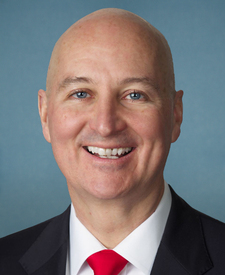

Legislative Progress
IntroducedMr. Ricketts (for himself and Mrs. Gillibrand) introduced the following …
Stakeholder Effects
cui bono?How this legislation distributes effects. Mention counts reflect frequency, not effect magnitude.
Communities and project sponsors relying on watershed restoration and flood-protection work
Local organizations undertaking watershed rehabilitation projects
Bill Structure & Actor Mappings
Who is "The Secretary" in each section?
We use a combination of our own taxonomy and classification in addition to large language models to assess meaning and potential beneficiaries. High confidence means strong textual evidence. Always verify with the original bill text.
Learn more about our methodology