To prohibit unfair and deceptive advertising of prices for hotel rooms and other places of short-term lodging, and for other purposes.
Summary
What This Bill Does
The bill targets advertised lodging prices that leave out mandatory fees until late in the booking process. It makes it unlawful for covered entities to display, advertise, market, or offer hotel rooms and short-term rentals in interstate commerce without clearly including required charges, so consumers can compare the actual price before they commit.
Who Benefits and How
Hotel guests benefit because resort fees, cleaning fees, and other mandatory charges must be reflected in advertised prices. Short-term rental guests benefit from clearer upfront price comparisons across platforms and properties. Travel search users benefit because displayed prices become less misleading when mandatory fees are included. State consumer protection offices benefit from a federal standard they can reference when policing lodging price advertising.
Who Bears the Burden and How
Hotel operators must change advertisements, booking displays, and price disclosures to include mandatory fees. Short-term rental platforms must update listings and checkout flows so covered fees are not hidden. Lodging advertisers must monitor interstate marketing materials for compliance. Enforcement agencies must investigate and enforce unfair or deceptive lodging price practices.
Key Provisions
- Prohibits unfair or deceptive advertising of hotel-room prices that omit required charges.
- Extends the rule to short-term lodging offers in interstate commerce.
- Requires covered entities to display the full mandatory price before purchase.
- Creates compliance pressure for lodging platforms, hotel operators, and advertisers.
Evidence Chain:
This summary is generated from the full bill text using AI analysis. Expand "Detailed Analysis" below for identified beneficiaries/burden bearers with clause-level evidence links.
At a Glance
What This Bill Does
Prohibits covered hotels and short-term lodging sellers from advertising room prices without mandatory fees, treating drip pricing as an unfair or deceptive practice.
Key Policy Areas
Consumer Protection, Travel
Primary Purpose
Prohibits covered hotels and short-term lodging sellers from advertising room prices without mandatory fees, treating drip pricing as an unfair or deceptive practice.
Policy Domains
Bill provisions
Identified Gains
- Hotel guests
- Short-term rental guests
- Travel search users
- State consumer protection offices
Identified Costs
- Hotel operators
- Short-term rental platforms
- Lodging advertisers
- Enforcement agencies
Sponsors
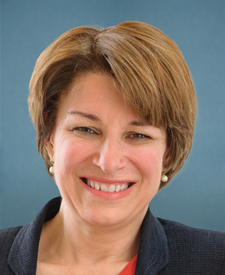
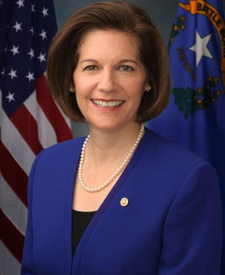
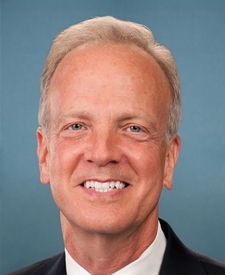
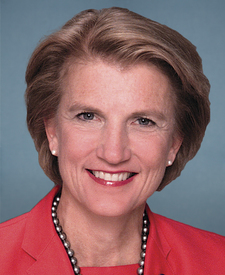
Legislative Progress
ReportedReported by Mr. Cruz, with an amendment
Ms. Klobuchar (for herself, Mr. Moran, Ms. Cortez Masto, and …
Stakeholder Effects
cui bono?How this legislation distributes effects. Mention counts reflect frequency, not effect magnitude.
Bill Structure & Actor Mappings
Who is "The Secretary" in each section?
- "covered_entity"
- → covered lodging seller
We use a combination of our own taxonomy and classification in addition to large language models to assess meaning and potential beneficiaries. High confidence means strong textual evidence. Always verify with the original bill text.
Learn more about our methodology