To amend the National Labor Relations Act to protect worker privacy, and for other purposes.
Analysis under review: This bill has generated analysis that may be too generic or incomplete. Clause-level evidence remains available below.
Summary
What This Bill Does
Limits the worker contact information employers must provide in NLRB election proceedings to one form chosen by the worker and restricts how unions may use that information.
Who Benefits and How
Workers could gain more control over their personal contact information during representation elections and less risk of unwanted contact or misuse.
Who Bears the Burden and How
Labor organizations could receive less information for organizing and campaign outreach, and the NLRB would have to issue implementing regulations.
Key Provisions
- Requires employers to provide only one employee-selected form of contact information in election proceedings.
- Restricts union use and sharing of provided worker information.
- Directs the NLRB to issue regulations within nine months.
Evidence Chain:
This summary is generated from the full bill text using AI analysis. Expand "Detailed Analysis" below for identified beneficiaries/burden bearers.
At a Glance
What This Bill Does
Limits the worker contact information employers must provide in NLRB election proceedings to one form chosen by the worker and restricts how unions may use that information.
Key Policy Areas
Labor, Privacy, Government Operations
Primary Purpose
Limits the worker contact information employers must provide in NLRB election proceedings to one form chosen by the worker and restricts how unions may use that information.
Policy Domains
Main Provisions
Identified Gains
Contextual inference, no direct clause citation- Employees seeking greater privacy in union election proceedings
Contextual inference, no direct clause citation
Identified Costs
Contextual inference, no direct clause citation- Labor organizations using employee contact information for organizing
- National Labor Relations Board officials responsible for implementing the new privacy rules
Contextual inference, no direct clause citation
Sponsors
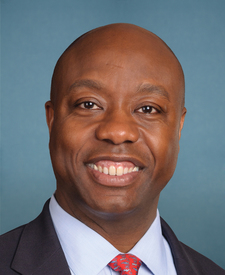
Tim Scott
R-SC | Primary Sponsor

Legislative Progress
IntroducedMr. Scott of South Carolina (for himself and Mr. Cassidy) …
Stakeholder Effects
cui bono?How this legislation distributes effects. Mention counts reflect frequency, not effect magnitude.
Employees whose personal contact information is disclosed in representation elections
Labor organizations relying on employee contact information for campaign outreach
Bill Structure & Actor Mappings
Who is "The Secretary" in each section?
We use a combination of our own taxonomy and classification in addition to large language models to assess meaning and potential beneficiaries. High confidence means strong textual evidence. Always verify with the original bill text.
Learn more about our methodology