To require the use of the voice and vote of the United States in international financial institutions to advance the cause of transitioning the global economy to a clean energy economy and to prohibit United States Government assistance to countries or entities to support fossil fuel activity, and for other purposes.
Analysis under review: This bill has generated analysis that may be too generic or incomplete. Clause-level evidence remains available below.
Summary
What This Bill Does
Directs the United States to use its influence in international financial institutions to push a clean-energy transition, reduce support for fossil fuel expansion, and prohibit U.S. assistance for fossil fuel activity abroad.
Who Benefits and How
Clean-energy projects and countries building cleaner energy systems could gain stronger U.S. support in international finance decisions.
Who Bears the Burden and How
Fossil-fuel projects and entities seeking international or U.S. public finance could lose access to financing, and Treasury and foreign-assistance agencies would face new restrictions.
Key Provisions
- Requires U.S. executive directors at specified international financial institutions to support clean-energy goals and oppose new fossil-fuel capacity.
- Reduces U.S. contributions to those institutions by the amount of fossil-fuel financing identified in the preceding fiscal year.
- Bars U.S. loans, insurance, guarantees, and technical or financial assistance for fossil-fuel activity and related infrastructure abroad.
Evidence Chain:
This summary is generated from the full bill text using AI analysis. Expand "Detailed Analysis" below for identified beneficiaries/burden bearers.
At a Glance
What This Bill Does
Directs the United States to use its influence in international financial institutions to push a clean-energy transition, reduce support for fossil fuel expansion, and prohibit U.S. assistance for fossil fuel activity abroad.
Key Policy Areas
Energy, Foreign Policy, Finance
Primary Purpose
Directs the United States to use its influence in international financial institutions to push a clean-energy transition, reduce support for fossil fuel expansion, and prohibit U.S. assistance for fossil fuel activity abroad.
Policy Domains
Main Provisions
Identified Gains
Contextual inference, no direct clause citation- Clean-energy developers and countries building sustainable energy systems
Contextual inference, no direct clause citation
Identified Costs
Contextual inference, no direct clause citation- Fossil-fuel projects and entities seeking public finance
- Treasury and foreign-assistance agencies operating under new financing restrictions
Contextual inference, no direct clause citation
Sponsors
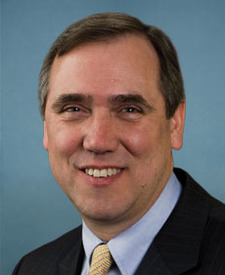
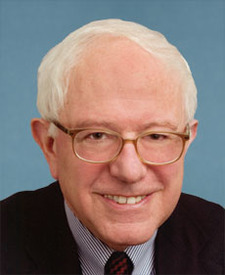
Legislative Progress
IntroducedMr. Merkley (for himself and Mr. Sanders) introduced the following …
Stakeholder Effects
cui bono?How this legislation distributes effects. Mention counts reflect frequency, not effect magnitude.
Fossil-fuel projects and entities seeking U.S. public finance or assistance abroad, Fossil-fuel projects and entities seeking international public finance
Clean-energy projects and countries seeking sustainable-energy financing
Bill Structure & Actor Mappings
Who is "The Secretary" in each section?
We use a combination of our own taxonomy and classification in addition to large language models to assess meaning and potential beneficiaries. High confidence means strong textual evidence. Always verify with the original bill text.
Learn more about our methodology