To establish an advisory group to encourage and foster collaborative efforts among individuals and entities engaged in disaster recovery relating to debris removal, and for other purposes.
Analysis under review: This bill has generated analysis that may be too generic or incomplete. Clause-level evidence remains available below.
Summary
What This Bill Does
This bill requires FEMA to establish an advisory working group to improve debris removal contracting and oversight after disasters, including representatives from federal agencies, state/local governments, and the debris services industry.
Who Benefits and How
- Disaster-affected communities benefit from improved debris removal processes
- State/local governments gain voice in federal debris contracting policies
- Debris removal contractors participate in improving guidance
- Taxpayers may benefit from more efficient disaster spending
Who Bears the Burden and How
- FEMA must establish and staff the working group
- Army Corps and NRCS must participate in working group
- Minor administrative burden on participating entities
Key Provisions
- Creates advisory working group with federal, state, local, and industry members
- FEMA must determine if current debris removal guidance is sufficient within 1 year
- Must address oversight and cost of debris removal contracts
- Includes at least one debris services contractor representative
Evidence Chain:
This summary is generated from the full bill text using AI analysis. Expand "Detailed Analysis" below for identified beneficiaries/burden bearers.
At a Glance
What This Bill Does
Creates an advisory working group to improve debris removal contracting after disasters.
Who Benefits
- Disaster-affected communities
- State/local governments
- Debris contractors
Who Bears Costs
- FEMA (administrative)
Key Policy Areas
Emergency Management, Contracting, Disaster Recovery
Primary Purpose
Creates an advisory working group to improve debris removal contracting after disasters.
Policy Domains
Legislative Strategy
"Improve disaster debris removal through stakeholder collaboration"
Sponsors
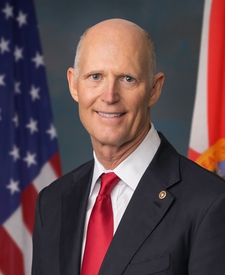
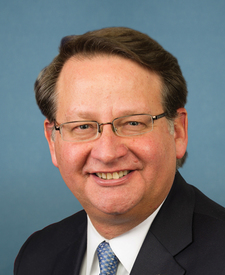

Legislative Progress
Enrolled (Passed Congress)Mr. Scott of Florida (for himself, Mr. Peters, and Ms. …
Passed Senate (inferred from es version)
Passed House (inferred from enr version)
Enrolled Bill (inferred from enr version)
Stakeholder Effects
cui bono?How this legislation distributes effects. Mention counts reflect frequency, not effect magnitude.
Bill Structure & Actor Mappings
Who is "The Secretary" in each section?
- "administrator"
- → FEMA Administrator
We use a combination of our own taxonomy and classification in addition to large language models to assess meaning and potential beneficiaries. High confidence means strong textual evidence. Always verify with the original bill text.
Learn more about our methodology