To prohibit schools that receive certain support from the Federal Communications Commission from allowing access to social media platforms on subsidized services, devices, or networks, and for other purposes.
Analysis under review: This bill has generated analysis that may be too generic or incomplete. Clause-level evidence remains available below.
Summary
What This Bill Does
The "Eyes on the Board Act of 2023" prohibits schools that receive federal broadband subsidies from the E-Rate program or Emergency Connectivity Fund from allowing students to access social media platforms on subsidized services, devices, or networks. The bill also requires schools to adopt formal screen time policies with grade-specific guidelines and creates a public database of these policies for transparency.
Who Benefits and How
Parents and guardians benefit through greater transparency and control over their children's screen time at school, with access to a public database of school policies. Students may benefit from reduced exposure to potentially harmful or distracting social media content during school hours. Educators and school administrators gain clearer federal guidance on digital use policies, reducing ambiguity about acceptable practices.
Who Bears the Burden and How
Schools receiving E-Rate or Emergency Connectivity Fund support must implement technical measures to block social media access and create formal screen time policies. They face additional compliance requirements, including annual certifications and policy submissions to the FCC. The Federal Communications Commission must create and maintain a public database of school policies, amend its rules within 120 days, and enforce compliance as a condition of continued funding.
Key Provisions
- Prohibits schools receiving covered federal broadband support from allowing student access to social media platforms on subsidized services, devices, or networks
- Defines "social media platform" as websites or apps primarily providing forums for user-generated content (excludes email, ISPs, and sites with primarily provider-selected content)
- Requires schools to certify compliance annually to receive E-Rate funding; Emergency Connectivity Fund recipients must certify within 180 days
- Mandates schools adopt screen time policies with grade-specific guidelines for hours and uses of screen time during school and homework
- Directs the FCC to create a public database of all submitted internet safety and screen time policies
- Exempts parent-sanctioned learning management systems and school information systems from the social media prohibition
Evidence Chain:
This summary is generated from the full bill text using AI analysis. Expand "Detailed Analysis" below for identified beneficiaries/burden bearers.
At a Glance
What This Bill Does
This bill prohibits schools receiving certain federal support from allowing access to social media platforms on subsidized services, devices, or networks. It also mandates transparency and parental limits on screen time in schools.
Key Policy Areas
Education, Technology
Primary Purpose
This bill prohibits schools receiving certain federal support from allowing access to social media platforms on subsidized services, devices, or networks. It also mandates transparency and parental limits on screen time in schools.
Policy Domains
Sponsors

Legislative Progress
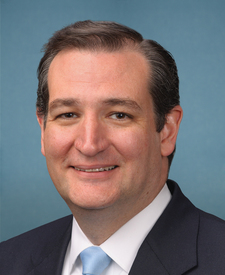
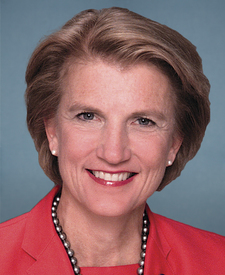
IntroducedMr. Cruz (for himself, Mr. Budd, and Mrs. Capito) introduced …
Impact analysis is available but no clear stakeholder effects identified. View clause-level analysis →
Bill Structure & Actor Mappings
Who is "The Secretary" in each section?
- "the_commission"
- → Federal Communications Commission
Key Definitions
Terms defined in this bill
Any website, online service, or application that serves the public and primarily provides a forum for users to communicate user-generated content.
We use a combination of our own taxonomy and classification in addition to large language models to assess meaning and potential beneficiaries. High confidence means strong textual evidence. Always verify with the original bill text.
Learn more about our methodology