To require the Inspector General of the Department of Housing and Urban Development to testify before the Congress annually, and for other purposes.
Sponsors
Legislative Progress
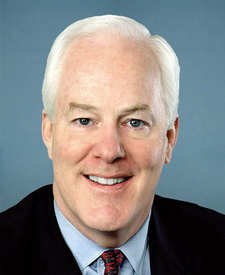
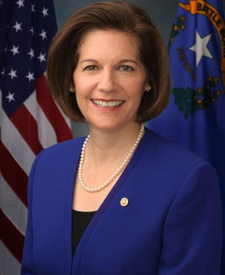
IntroducedMr. Cornyn (for himself and Ms. Cortez Masto) introduced the …
Summary
What This Bill Does
The HUD Transparency Act of 2025 requires the Inspector General of the Department of Housing and Urban Development to testify before Congress every year by October 1st. During these mandatory appearances before the House Financial Services Committee and Senate Banking Committee, the Inspector General must report on efforts to prevent fraud and waste at HUD, the office's ability to conduct audits and investigations, and recommendations for improving the department's efficiency and accountability.
Who Benefits and How
Congressional oversight committees gain enhanced access to information about HUD operations and potential problems. Members of the House Financial Services Committee and Senate Banking Committee will receive direct, annual testimony about fraud prevention efforts, resource adequacy, and opportunities for program improvements. Government watchdog organizations and transparency advocates also benefit from increased public scrutiny of HUD operations through these mandatory hearings.
Who Bears the Burden and How
The HUD Inspector General's Office faces a new compliance obligation to prepare and deliver comprehensive annual testimony covering six specific areas of oversight and operations. This creates additional workload for the Inspector General and their staff beyond existing reporting requirements. HUD program administrators and contractors who may be subject to fraud investigations face increased risk of scrutiny, as the mandatory annual hearings will publicly highlight the Inspector General's detection and prevention efforts.
Key Provisions
- Mandates annual congressional testimony by the HUD Inspector General no later than October 1 of each year
- Requires the Inspector General to appear before both the House Financial Services Committee and the Senate Banking, Housing, and Urban Affairs Committee
- Specifies six areas that must be covered in testimony: fraud prevention efforts, audit and investigation capabilities, program improvement opportunities, efficiency recommendations, resource adequacy assessment, and ongoing investigative activities
- Establishes this as a permanent annual requirement with no sunset date
- Creates a formal mechanism for Congress to receive direct updates on HUD oversight activities
Evidence Chain:
This summary is derived from the structured analysis below. See "Detailed Analysis" for per-title beneficiaries/burden bearers with clause-level evidence links.
Primary Purpose
Requires the HUD Inspector General to testify annually before House and Senate committees on fraud detection, audit capabilities, and departmental efficiency.
Policy Domains
Legislative Strategy
"Increase transparency and oversight of HUD operations through mandatory annual congressional testimony"
Likely Beneficiaries
- Congressional oversight committees
- Transparency advocates
- HUD Inspector General's Office (enhanced visibility)
Likely Burden Bearers
- HUD Inspector General (additional reporting duty)
- Congressional committee staff (must organize hearings)
Bill Structure & Actor Mappings
Who is "The Secretary" in each section?
- "the_department"
- → Department of Housing and Urban Development
- "the_inspector_general"
- → Inspector General of the Department of Housing and Urban Development
We use a combination of our own taxonomy and classification in addition to large language models to assess meaning and potential beneficiaries. High confidence means strong textual evidence. Always verify with the original bill text.
Learn more about our methodology