Gang Activity Reporting Act of 2025
Analysis under review: This bill has generated analysis that may be too generic or incomplete. Clause-level evidence remains available below.
Summary
What This Bill Does
The bill creates short title designating this legislation as the Gang Activity Reporting Act of 2025, expands congressional findings establishing the factual basis for gang reporting requirements, citing violent crime surge and outdated DOJ data, and amends Chapter 31 of Title 28 to add Section 530E requiring annual reports from DOJ, DHS, and FBI on gang activity including growth trends, enforcement initiatives, resource allocation, arrest statistics, firearms. It relies on reporting requirement, mandate, and procedural. The main policy areas are Criminal Justice.
Who Benefits and How
Senate and House Judiciary Committees would be affected, Congressional oversight bodies would be affected, and Congressional policymakers would be affected.
Who Bears the Burden and How
Federal Bureau of Investigation would be affected, Department of Justice would be affected, and Department of Homeland Security would be affected.
Key Provisions
- Creates short title designating this legislation as the Gang Activity Reporting Act of 2025.
- Expands congressional findings establishing the factual basis for gang reporting requirements, citing violent crime surge and outdated DOJ data.
- Amends Chapter 31 of Title 28 to add Section 530E requiring annual reports from DOJ, DHS, and FBI on gang activity including growth trends, enforcement initiatives, resource allocation, arrest statistics, firearms...
- Expands new Section 530E of Title 28 establishing the detailed reporting requirements on gang activity, investigation, and prosecution with annual submission to congressional judiciary committees.
Evidence Chain:
This summary is generated from the full bill text using AI analysis. Expand "Detailed Analysis" below for identified beneficiaries/burden bearers with clause-level evidence links.
At a Glance
What This Bill Does
The bill creates short title designating this legislation as the Gang Activity Reporting Act of 2025, expands congressional findings establishing the factual basis for gang reporting requirements, citing violent crime surge and outdated DOJ data, and amends Chapter 31 of Title 28 to add Section 530E requiring annual reports from DOJ, DHS, and FBI on gang activity including growth trends, enforcement initiatives, resource allocation, arrest statistics, firearms.
Key Policy Areas
Criminal Justice
Primary Purpose
The bill creates short title designating this legislation as the Gang Activity Reporting Act of 2025, expands congressional findings establishing the factual basis for gang reporting requirements, citing violent crime surge and outdated DOJ data, and amends Chapter 31 of Title 28 to add Section 530E requiring annual reports from DOJ, DHS, and FBI on gang activity including growth trends, enforcement initiatives, resource allocation, arrest statistics, firearms.
Policy Domains
Federal Gang Activity Reporting Mandate
Identified Gains
- Senate and House Judiciary Committees
- Congressional oversight bodies
- Congressional policymakers
Identified Costs
- Federal Bureau of Investigation
- Department of Justice
- Department of Homeland Security
- Federal law enforcement agencies (DOJ, DHS, FBI)
Sponsors
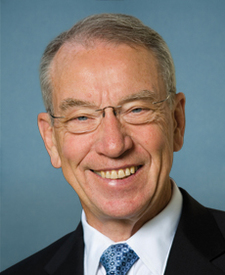

Legislative Progress
In CommitteeMr. Grassley (for himself and Ms. Rosen) introduced the following …
Read twice and referred to the Committee on the Judiciary.
Introduced in Senate
Stakeholder Effects
cui bono?How this legislation distributes effects. Mention counts reflect frequency, not effect magnitude.
Congressional oversight bodies, Congressional policymakers, Department of Homeland Security
Positive-direction: Congressional oversight bodies, Congressional policymakers, Senate and House Judiciary Committees
Negative-direction: Department of Homeland Security, Department of Justice, Federal Bureau of Investigation, Federal law enforcement agencies (DOJ, DHS, FBI)
Bill Structure & Actor Mappings
Who is "The Secretary" in each section?
- "Attorney General"
- → Lead report author
- "Director of the FBI"
- → Contributing agency head
- "House Judiciary Committee"
- → Report recipient
- "Senate Judiciary Committee"
- → Report recipient
- "Secretary of Homeland Security"
- → Contributing agency head
We use a combination of our own taxonomy and classification in addition to large language models to assess meaning and potential beneficiaries. High confidence means strong textual evidence. Always verify with the original bill text.
Learn more about our methodology