Save Our Seas 2.0 Marine Debris Infrastructure Programs Reauthorization Act
Summary
What This Bill Does
Extends two EPA grant-program authorizations in section 302(g) of the Save Our Seas 2.0 Act by striking fiscal year 2025 and inserting fiscal year 2030. Those programs support postconsumer materials management infrastructure and plastic-waste reduction work tied to drinking water, wastewater, recycling, and marine-debris prevention. The bill also inserts the missing word "in" after "described" in each affected paragraph.
Who Benefits and How
State environmental agencies, local governments, Indian tribes, public water systems, wastewater utilities, recycling contractors, waste-management companies, and environmental engineering firms benefit from five more fiscal years of authorization for EPA grant support. Coastal communities and water users benefit indirectly when funded infrastructure reduces plastic waste, improves postconsumer materials handling, or keeps marine debris out of waterways.
Who Bears the Burden and How
Federal taxpayers bear the fiscal exposure if Congress later appropriates money under the extended authorization. EPA grant administrators must continue application, award, oversight, and reporting work for the programs through fiscal year 2030. The bill does not impose new regulatory mandates on private waste, recycling, or water-sector companies; their burden is mainly tied to any grant compliance they voluntarily accept.
Key Provisions
- Extends the EPA postconsumer materials management grant authorization in Save Our Seas 2.0 Act section 302(g)(1) from 2025 to 2030.
- Extends the EPA plastic-waste reduction grant authorization in section 302(g)(2) from 2025 to 2030.
- Provides continued statutory support for state, local, and tribal recycling, drinking-water, wastewater, and marine-debris infrastructure projects.
- Corrects grammar by inserting "in" after "described" in both affected paragraphs.
Evidence Chain:
This summary is generated from the full bill text using AI analysis. Expand "Detailed Analysis" below for identified beneficiaries/burden bearers with clause-level evidence links.
At a Glance
What This Bill Does
Extends the Save Our Seas 2.0 Act EPA marine-debris infrastructure grant authorizations from fiscal year 2025 through fiscal year 2030 and makes a small grammar correction.
Key Policy Areas
Environment, Water Infrastructure, Waste Management
Primary Purpose
Extends the Save Our Seas 2.0 Act EPA marine-debris infrastructure grant authorizations from fiscal year 2025 through fiscal year 2030 and makes a small grammar correction.
Policy Domains
Section 2 - EPA Save Our Seas 2.0 grant reauthorization
Identified Gains
- State environmental agencies
- Local governments
- Indian tribes
- Public water systems
- Wastewater utilities
- Waste management and recycling contractors
- Environmental engineering firms
Identified Costs
- Environmental Protection Agency grant administrators
- Federal taxpayers
- Grant recipients accepting EPA compliance requirements
Sponsors
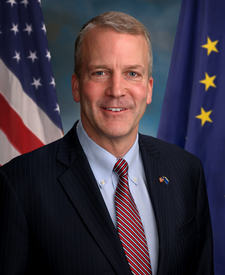

Legislative Progress
Passed SenateHeld at the desk.
Received in the House.
Message on Senate action sent to the House.
Passed Senate without amendment by Unanimous Consent. (consideration: CR S8248; …
Passed/agreed to in Senate: Passed Senate without amendment by Unanimous …
Reported by Mrs. Capito, without amendment
Passed Senate (inferred from es version)
Placed on Senate Legislative Calendar under General Orders. Calendar No. …
Committee on Environment and Public Works. Reported by Senator Capito …
Committee on Environment and Public Works. Ordered to be reported …
Stakeholder Effects
cui bono?How this legislation distributes effects. Mention counts reflect frequency, not effect magnitude.
Bill Structure & Actor Mappings
Who is "The Secretary" in each section?
- "epa"
- → Environmental Protection Agency
Key Definitions
Terms defined in this bill
EPA grant authorizations for postconsumer materials management and plastic-waste reduction infrastructure.
We use a combination of our own taxonomy and classification in addition to large language models to assess meaning and potential beneficiaries. High confidence means strong textual evidence. Always verify with the original bill text.
Learn more about our methodology