A bill to permit visiting dignitaries and service members from Taiwan to display the flag of the Republic of China.
Analysis under review: This bill has generated analysis that may be too generic or incomplete. Clause-level evidence remains available below.
Summary
What This Bill Does
Requires the State and Defense Departments to permit visiting Taiwanese dignitaries and service members to display the flag and related symbols of the Republic of China for specified official purposes.
Who Benefits and How
Taiwanese government representatives and service members could receive formal permission to display official sovereignty symbols during specified United States engagements.
Who Bears the Burden and How
State and Defense officials would need to align their practices with the new permission requirement.
Key Provisions
- Requires the State and Defense Departments to permit display of the ROC flag and related emblems for specified official purposes.
- Applies to uniforms, hosted ceremonies and functions, and certain agency social-media content.
Evidence Chain:
This summary is generated from the full bill text using AI analysis. Expand "Detailed Analysis" below for identified beneficiaries/burden bearers.
At a Glance
What This Bill Does
Requires the State and Defense Departments to permit visiting Taiwanese dignitaries and service members to display the flag and related symbols of the Republic of China for specified official purposes.
Key Policy Areas
Foreign Policy, Government Operations
Primary Purpose
Requires the State and Defense Departments to permit visiting Taiwanese dignitaries and service members to display the flag and related symbols of the Republic of China for specified official purposes.
Policy Domains
Main Provisions
Identified Gains
Contextual inference, no direct clause citation- Taiwanese dignitaries and service members permitted to display official ROC symbols during specified engagements
Contextual inference, no direct clause citation
Identified Costs
Contextual inference, no direct clause citation- State and Defense officials required to implement the display-permission policy
Contextual inference, no direct clause citation
Sponsors


Legislative Progress
ReportedCommittee on Foreign Relations. Ordered to be reported with an …
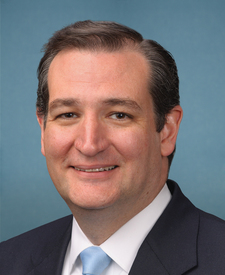
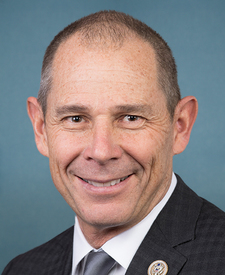
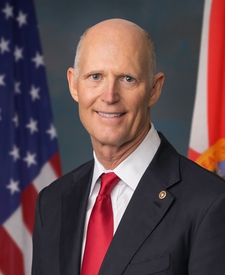
Mr. Cruz (for himself, Mr. Young, and Mrs. Blackburn) introduced …
Read twice and referred to the Committee on Foreign Relations.
Introduced in Senate
Stakeholder Effects
cui bono?How this legislation distributes effects. Mention counts reflect frequency, not effect magnitude.
Taiwanese dignitaries and service members permitted to display official ROC symbols during specified engagements
Bill Structure & Actor Mappings
Who is "The Secretary" in each section?
We use a combination of our own taxonomy and classification in addition to large language models to assess meaning and potential beneficiaries. High confidence means strong textual evidence. Always verify with the original bill text.
Learn more about our methodology