No Shari’a Act
Analysis under review: This bill has generated analysis that may be too generic or incomplete. Clause-level evidence remains available below.
Summary
What This Bill Does
The bill creates non-binding congressional statement affirming that the Constitution must remain supreme over foreign and religious law, particularly expressing concern about protecting women, children, and vulnerable, creates congressional findings establishing that the Supremacy Clause requires U.S, and defines key statutory terms including "court" (federal, state, territorial courts and arbitration tribunals), "foreign law" (law from outside the U.S. It relies on definition changes, compliance mandates, and exemptions. The main policy areas are Civil Rights and Finance.
Who Benefits and How
Women in family law disputes could face reduced risk and Children in custody disputes could face reduced risk.
Who Bears the Burden and How
Islamic arbitration tribunals could face higher barriers, Religious arbitration bodies would take on compliance duties, and Arbitration tribunals would take on compliance duties.
Key Provisions
- Creates non-binding congressional statement affirming that the Constitution must remain supreme over foreign and religious law, particularly expressing concern about protecting women, children, and vulnerable...
- Creates congressional findings establishing that the Supremacy Clause requires U.S.
- Defines key statutory terms including "court" (federal, state, territorial courts and arbitration tribunals), "foreign law" (law from outside the U.S.
- Prohibits courts from enforcing judgments, decrees, or arbitration decisions relying on Sharia or foreign law that violates constitutional rights.
Evidence Chain:
This summary is generated from the full bill text using AI analysis. Expand "Detailed Analysis" below for identified beneficiaries/burden bearers with clause-level evidence links.
At a Glance
What This Bill Does
The bill creates non-binding congressional statement affirming that the Constitution must remain supreme over foreign and religious law, particularly expressing concern about protecting women, children, and vulnerable, creates congressional findings establishing that the Supremacy Clause requires U.S, and defines key statutory terms including "court" (federal, state, territorial courts and arbitration tribunals), "foreign law" (law from outside the U.S.
Key Policy Areas
Civil Rights, Finance
Primary Purpose
The bill creates non-binding congressional statement affirming that the Constitution must remain supreme over foreign and religious law, particularly expressing concern about protecting women, children, and vulnerable, creates congressional findings establishing that the Supremacy Clause requires U.S, and defines key statutory terms including "court" (federal, state, territorial courts and arbitration tribunals), "foreign law" (law from outside the U.S.
Policy Domains
Main Body
Identified Gains
- Women in family law disputes
- Children in custody disputes
Identified Costs
- Islamic arbitration tribunals
- Religious arbitration bodies
- Arbitration tribunals
- Sharia-compliant finance providers
- Parties seeking foreign law application
Sponsors
Legislative Progress
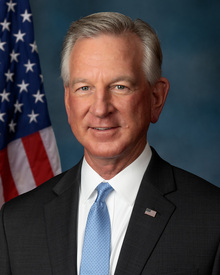
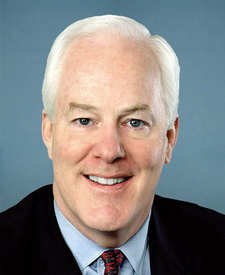
In CommitteeMr. Tuberville (for himself and Mr. Cornyn) introduced the following …
Read twice and referred to the Committee on the Judiciary.
Introduced in Senate
Stakeholder Effects
cui bono?How this legislation distributes effects. Mention counts reflect frequency, not effect magnitude.
Arbitration tribunals, Family law attorneys, Parties seeking foreign law application
Islamic arbitration tribunals, Religious arbitration bodies
Children in custody disputes, Women in family law disputes
Bill Structure & Actor Mappings
Who is "The Secretary" in each section?
- "court"
- → Any Federal, State, or territorial court, including arbitration tribunals
- "attorney_general"
- → Attorney General of the United States
Key Definitions
Terms defined in this bill
Any Federal, State, or territorial court, including arbitration tribunals when decisions are subject to judicial enforcement
Any law, legal code, or system derived from a jurisdiction outside the United States or its territories, including religious law when invoked as a substitute for State or Federal law
Rights guaranteed by the Constitution of the United States and by State constitutions, including due process, equal protection, freedom of religion, freedom of speech, and rights related to marriage, child custody, and property
We use a combination of our own taxonomy and classification in addition to large language models to assess meaning and potential beneficiaries. High confidence means strong textual evidence. Always verify with the original bill text.
Learn more about our methodology