To prohibit certain sales or leases of real property for a health care entity if the terms of such a sale or lease would lead to long-term weakened financial status of the health care entity or place the public health at risk, and for other purposes.
Analysis under review: This bill has generated analysis that may be too generic or incomplete. Clause-level evidence remains available below.
Summary
What This Bill Does
Restricts health care entities and their for-profit owners from entering sale-leaseback or lease agreements with REITs when the terms would weaken the health care entity or put public health at risk, and tightens tax treatment of health care property rents for REITs.
Who Benefits and How
Hospitals, physician practices, skilled nursing facilities, hospice facilities, behavioral health providers, opioid treatment programs, Medicare providers, patients, and communities could receive protection against real-estate transactions that financially weaken care delivery.
Who Bears the Burden and How
Health care REITs, covered for-profit owners, and health care entities pursuing covered real-estate transactions would face HHS review, potential enforcement, and reduced tax-favorable REIT rent treatment.
Key Provisions
- Bars covered health care sale or lease agreements with REITs if the terms would weaken the health care entity or risk public health.
- Requires covered entities to submit proposed sale or lease terms to the Secretary of Health and Human Services for review.
- Authorizes state or federal enforcement and civil monetary penalties of up to $10,000 per violation.
- Defines covered firms, health care entities, affiliates, and corporations for the transaction restriction.
- Amends REIT tax rules to exclude amounts from qualified health care property from qualifying real-property rent treatment.
Evidence Chain:
This summary is generated from the full bill text using AI analysis. Expand "Detailed Analysis" below for identified beneficiaries/burden bearers.
At a Glance
What This Bill Does
Restricts health care entities and their for-profit owners from entering sale-leaseback or lease agreements with REITs when the terms would weaken the health care entity or put public health at risk, and tightens tax treatment of health care property rents for REITs.
Key Policy Areas
Health, Tax, Housing, Government Operations
Primary Purpose
Restricts health care entities and their for-profit owners from entering sale-leaseback or lease agreements with REITs when the terms would weaken the health care entity or put public health at risk, and tightens tax treatment of health care property rents for REITs.
Policy Domains
Main Provisions
Identified Gains
Contextual inference, no direct clause citation- Patients and communities served by financially stable health care providers
- Health care entities protected from risky REIT sale-leaseback or lease terms
Contextual inference, no direct clause citation
Identified Costs
Contextual inference, no direct clause citation- Health care REITs and investors using health care property rental income
- Covered for-profit firms and health care entities seeking covered real-estate transactions
- HHS and state enforcement officials reviewing and enforcing covered transactions
Contextual inference, no direct clause citation
Sponsors
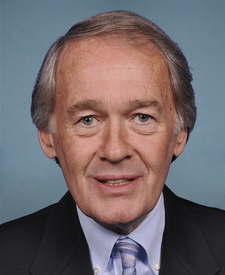
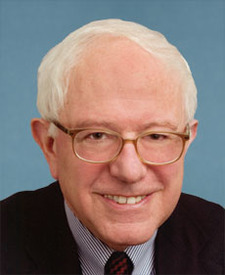
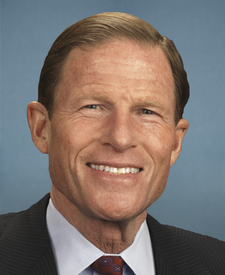
Legislative Progress
IntroducedMr. Markey (for himself, Mr. Blumenthal, and Mr. Sanders) introduced …
Stakeholder Effects
cui bono?How this legislation distributes effects. Mention counts reflect frequency, not effect magnitude.
Health care REITs and covered firms seeking sale-leaseback or lease transactions with providers, Health care REITs receiving rent from qualified health care property
Patients and communities served by health care entities protected from financially risky REIT transactions
Health care entities submitting covered sale or lease terms for federal review
HHS and state enforcement officials reviewing and enforcing covered health care real-estate transactions
Bill Structure & Actor Mappings
Who is "The Secretary" in each section?
- "secretary"
- → Secretary of Health and Human Services
- "state_attorney_general"
- → Relevant State attorney general
- "internal_revenue_service"
- → Internal Revenue Service
Key Definitions
Terms defined in this bill
Amounts received or accrued directly or indirectly from qualified health care property are excluded from the amended REIT real-property rent treatment.
A for-profit corporation that owns or is an affiliate of a health care entity.
Specified health care providers including hospitals, physician practices, skilled nursing facilities, hospice facilities, behavioral health providers, opioid treatment programs, Medicare providers or suppliers, and other entities the Secretary determines appropriate.
We use a combination of our own taxonomy and classification in addition to large language models to assess meaning and potential beneficiaries. High confidence means strong textual evidence. Always verify with the original bill text.
Learn more about our methodology