To establish a program of workforce development as an alternative to college for all, and for other purposes.
Analysis under review: This bill has generated analysis that may be too generic or incomplete. Clause-level evidence remains available below.
Summary
What This Bill Does
The bill establishes definitions for the American Workforce Program, including key terms like American workforce contract, trainee (US citizen with HS diploma, no bachelor degree), employer (for-profit only, excluding public, establishes the American Workforce Division within the Economic Development Administration of the Department of Commerce, with a presidentially-appointed Director who must have private sector experience, and establishes the American Workforce Program with workforce education subsidies (up to $1,500/month, max $9,000) paid to employers for trainee educational costs. It relies on compliance mandates, reporting requirements, exemptions, and definition changes. The main policy areas are Workforce Development, Labor, Education, and Finance.
Who Benefits and How
Trainees (non-degreed US citizens) would be affected, For-profit employers in high-demand industries could gain revenue opportunities, and Congress would be affected.
Who Bears the Burden and How
Secretary of Commerce would be affected, Public agencies / Government employers would be affected, and Non-US citizens would be affected.
Key Provisions
- Establishes definitions for the American Workforce Program, including key terms like American workforce contract, trainee (US citizen with HS diploma, no bachelor degree), employer (for-profit only, excluding public...
- Establishes the American Workforce Division within the Economic Development Administration of the Department of Commerce, with a presidentially-appointed Director who must have private sector experience.
- Establishes the American Workforce Program with workforce education subsidies (up to $1,500/month, max $9,000) paid to employers for trainee educational costs.
- Sets general provisions including allowing workforce projects to extend beyond 3-year subsidy period at employer cost, permitting non-eligible individuals to participate with non-federal funding, protecting employer...
- Requires Secretary of Commerce to submit comprehensive evaluation reports to Congress at 5 and 10 years post-enactment, comparing the program to existing apprenticeship and workforce programs.
Evidence Chain:
This summary is generated from the full bill text using AI analysis. Expand "Detailed Analysis" below for identified beneficiaries/burden bearers with clause-level evidence links.
At a Glance
What This Bill Does
The bill establishes definitions for the American Workforce Program, including key terms like American workforce contract, trainee (US citizen with HS diploma, no bachelor degree), employer (for-profit only, excluding public, establishes the American Workforce Division within the Economic Development Administration of the Department of Commerce, with a presidentially-appointed Director who must have private sector experience, and establishes the American Workforce Program with workforce education subsidies (up to $1,500/month, max $9,000) paid to employers for trainee educational costs.
Key Policy Areas
Workforce Development, Labor, Education, Finance
Primary Purpose
The bill establishes definitions for the American Workforce Program, including key terms like American workforce contract, trainee (US citizen with HS diploma, no bachelor degree), employer (for-profit only, excluding public, establishes the American Workforce Division within the Economic Development Administration of the Department of Commerce, with a presidentially-appointed Director who must have private sector experience, and establishes the American Workforce Program with workforce education subsidies (up to $1,500/month, max $9,000) paid to employers for trainee educational costs.
Policy Domains
Whole bill
Identified Gains
- Trainees (non-degreed US citizens)
- For-profit employers in high-demand industries
- Congress
- Working-age Americans without bachelor degrees
- Trainees / Workers
Identified Costs
- Secretary of Commerce
- Public agencies / Government employers
- Non-US citizens
- College-educated workers (bachelors+)
- Office of Federal Contract Compliance Programs (OFCCP)
Sponsors
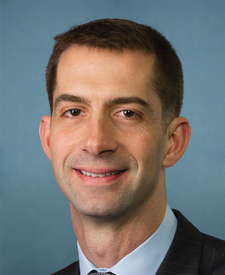
Legislative Progress
IntroducedMr. Cotton introduced the following bill; which was read twice …
Stakeholder Effects
cui bono?How this legislation distributes effects. Mention counts reflect frequency, not effect magnitude.
American Workforce Program (as institution), Congress, Department of Commerce / Economic Development Administration
Positive-direction: Congress, Director of American Workforce Division (new position), E-Verify system / DHS immigration enforcement, State and local governments
Negative-direction: American Workforce Program (as institution), Department of Commerce / Economic Development Administration, Office of Federal Contract Compliance Programs, Registered Apprenticeship Program (Dept of Labor), Secretary of Commerce
College-educated workers (bachelors+), Ineligible individuals (non-citizens, degree holders), Non-US citizens
Positive-direction: Ineligible individuals (non-citizens, degree holders), Trainees, Trainees (non-degreed US citizens), Trainees / Workers, Unions and labor-management organizations, Working-age Americans without bachelor degrees
Negative-direction: College-educated workers (bachelors+), Non-US citizens, Non-citizen workers
For-profit employers, For-profit employers in high-demand industries, Participating employers
Participating employers faces effects in multiple directions
Community colleges, Third-party training entities, Trade schools and vocational training providers
Positive-direction: Community colleges, Third-party training entities, Trade schools and vocational training providers
Negative-direction: Traditional 4-year colleges and universities
Certification and accreditation bodies, DEI training providers
Positive-direction: Certification and accreditation bodies
Negative-direction: DEI training providers
Bill Structure & Actor Mappings
Who is "The Secretary" in each section?
We use a combination of our own taxonomy and classification in addition to large language models to assess meaning and potential beneficiaries. High confidence means strong textual evidence. Always verify with the original bill text.
Learn more about our methodology