To reform the labor laws of the United States, and for other purposes.
Analysis under review: This bill has generated analysis that may be too generic or incomplete. Clause-level evidence remains available below.
Summary
What This Bill Does
The Employee Rights Act makes a broad set of changes to federal labor law. It requires union bargaining representatives to be selected by secret-ballot NLRB election, restricts voting by workers without lawful immigration status in union and labor-organization elections, limits how unions may receive and use employee contact information, and requires employee authorization before union dues or fees are used for purposes not directly tied to collective bargaining or contract administration. It also narrows independent-contractor and joint-employer rules, excludes certain tribal governments and tribal enterprises from NLRA employer coverage, creates independent-negotiation rights in covered States, bars collective bargaining agreement provisions that mandate or promote DEI initiatives unless required by law, and rewrites Hobbs Act provisions concerning labor-related threats or violence.
Who Benefits and How
Employers, franchisors, some independent contractors, tribal governments and tribal enterprises, employees who object to union nonrepresentational spending, and employees in covered States who want to negotiate independently could benefit from narrower labor obligations or more individual control over bargaining and dues. Employers also gain clearer defenses against broader joint-employer and franchise-employment theories.
Who Bears the Burden and How
Labor organizations, the NLRB, workers without lawful immigration status, workers who benefit from broader employee or joint-employer coverage, and supporters of DEI terms in labor contracts would face new restrictions or administrative burdens. The NLRB would need to administer new election, voter-list, privacy, and rulemaking requirements.
Key Provisions
- Requires secret-ballot NLRB elections for collective-bargaining representative selection.
- Bars workers without lawful immigration status from voting in specified union and labor elections or being counted for certain petitions.
- Limits union access to employee contact information and restricts union use of dues for nonrepresentational activities without written authorization.
- Narrows independent-contractor, employee, joint-employer, and franchise-employment standards under federal labor laws.
- Excludes Indian Tribes and certain tribal enterprises on Indian lands from the NLRA employer definition.
- Creates independent-negotiation rules for employees in covered States who cease union membership or payment.
- Makes it an unfair labor practice for labor organizations to include DEI mandates or preferences in collective-bargaining agreements unless required by law.
- Revises Hobbs Act provisions addressing interference with commerce through threats or violence in labor-dispute contexts.
Evidence Chain:
This summary is generated from the full bill text using AI analysis. Expand "Detailed Analysis" below for identified beneficiaries/burden bearers.
At a Glance
What This Bill Does
Rewrites multiple federal labor-law rules to require secret-ballot union selection, restrict union voting by workers without lawful immigration status, limit union use of employee contact information and nonrepresentational dues, narrow employee and joint-employer classifications, exclude certain tribal enterprises from NLRA coverage, allow independent bargaining in covered States, bar DEI provisions in collective-bargaining agreements unless legally required, and revise Hobbs Act language for labor-related threats or violence.
Key Policy Areas
Labor, Immigration, Civil Rights, Criminal Justice
Primary Purpose
Rewrites multiple federal labor-law rules to require secret-ballot union selection, restrict union voting by workers without lawful immigration status, limit union use of employee contact information and nonrepresentational dues, narrow employee and joint-employer classifications, exclude certain tribal enterprises from NLRA coverage, allow independent bargaining in covered States, bar DEI provisions in collective-bargaining agreements unless legally required, and revise Hobbs Act language for labor-related threats or violence.
Policy Domains
Sections 8-9 - DEI Bargaining Limits and Labor-Related Threats or Violence
Identified Gains
Contextual inference, no direct clause citation- Employers and workers opposing mandatory DEI provisions in collective-bargaining agreements
- Businesses and workers seeking stronger protection against labor-related threats or violence affecting commerce
Contextual inference, no direct clause citation
Identified Costs
Contextual inference, no direct clause citation- Labor organizations and employees seeking collectively bargained DEI provisions not independently required by law
- Persons whose labor-dispute conduct falls within the revised Hobbs Act language
Contextual inference, no direct clause citation
Sections 2-4 - Union Selection, Voting, Privacy, and Dues
Identified Gains
Contextual inference, no direct clause citation- Employees who prefer secret-ballot union selection and opt-in control over union dues used for nonrepresentational activities
- Employers facing union organizing campaigns with narrower voter-list disclosure rules
Contextual inference, no direct clause citation
Identified Costs
Contextual inference, no direct clause citation- Labor organizations subject to new election, voter-list, privacy, and dues-use restrictions
- Workers without lawful immigration status barred from specified union and labor-organization votes
Contextual inference, no direct clause citation
Section 5 - Employment Relationships
Identified Gains
Contextual inference, no direct clause citation- Franchisors and businesses seeking narrower joint-employer and employee-classification exposure
Contextual inference, no direct clause citation
Identified Costs
Contextual inference, no direct clause citation- Workers who would lose employee status or joint-employer coverage under narrower classification rules
Contextual inference, no direct clause citation
Sections 6-7 - Tribal Sovereignty and Independent Negotiating
Identified Gains
Contextual inference, no direct clause citation- Federally recognized Indian Tribes and tribal enterprises on Indian lands
- Employees in covered States who cease union membership or payments and want to bargain independently
Contextual inference, no direct clause citation
Identified Costs
Contextual inference, no direct clause citation- Labor organizations and exclusive representatives whose bargaining authority is reduced for covered employees
Contextual inference, no direct clause citation
Sponsors

Legislative Progress
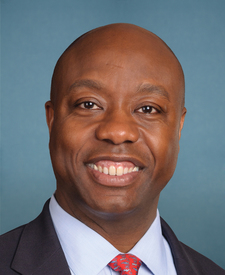
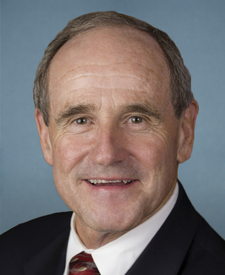
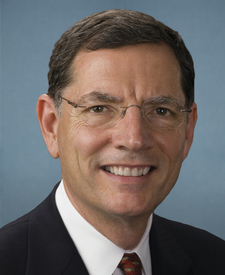
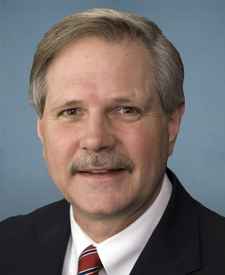
IntroducedMr. Scott of South Carolina (for himself, Mr. Tuberville, Mr. …
Stakeholder Effects
cui bono?How this legislation distributes effects. Mention counts reflect frequency, not effect magnitude.
Employers with employees in bargaining units, Undocumented workers
Individuals involved in labor disputes, Labor organizations representing employees
Bill Structure & Actor Mappings
Who is "The Secretary" in each section?
- "employer"
- → Employer of employees in the bargaining unit
- "the_board"
- → National Labor Relations Board
- "labor_organization"
- → Labor organization or union
- "employer"
- → Employer
- "franchisee"
- → Franchisee
- "franchisor"
- → Franchisor
- "indian_tribe"
- → Federally recognized Indian Tribe
- "exclusive_representative"
- → Exclusive bargaining representative
- "covered_person"
- → Person engaged in conduct covered by the Hobbs Act revisions
- "labor_organization"
- → Labor organization or union
Key Definitions
Terms defined in this bill
Status under the immigration laws as referenced through section 101 of the Immigration and Nationality Act; workers lacking that status are barred from specified union and labor-organization voting.
An individual is treated as an independent contractor if the other person does not exercise significant control over how work is performed and the individual has entrepreneurial opportunities and risks.
Federally recognized Indian Tribes and specified reservation, trust, restricted, and former-reservation lands described for the NLRA tribal exclusion.
A person may be a joint employer only if each employer directly, actually, and immediately exercises significant control over essential terms and conditions of employment.
We use a combination of our own taxonomy and classification in addition to large language models to assess meaning and potential beneficiaries. High confidence means strong textual evidence. Always verify with the original bill text.
Learn more about our methodology