To suspend the enforcement of certain civil liabilities of Federal employees and contractors during a lapse in appropriations, or during a breach of the statutory debt limit, and for other purposes.
Analysis under review: This bill has generated analysis that may be too generic or incomplete. Clause-level evidence remains available below.
Summary
What This Bill Does
The Federal Employees Civil Relief Act provides federal workers and government contractors with legal protections during government shutdowns, modeled after the Servicemembers Civil Relief Act. It allows furloughed workers to apply for court stays on rent, mortgage, tax, and student loan payments, and protects them from eviction, foreclosure, and collection actions during shutdowns.
Who Benefits and How
Federal employees and government contractors benefit from protection against eviction, foreclosure, and collection actions when furloughed or working without pay. They can defer student loan payments without interest accrual, defer federal income tax collection for up to 90 days, and prevent insurance policies from lapsing. Dependents of federal workers also receive these protections.
Who Bears the Burden and How
Landlords cannot evict federal workers during shutdowns without a court order and face criminal penalties for violations. Mortgage lenders, student loan servicers, auto lenders, and insurance companies face restrictions on foreclosures, collections, and policy terminations. Violators face civil penalties up to $55,000 for first offense and $110,000 for subsequent violations.
Key Provisions
- Prohibits evictions and foreclosures against federal workers during shutdowns without court approval
- Allows deferment of student loan payments without interest or adverse credit reporting
- Defers federal income tax collection for up to 90 days after shutdown ends
- Creates criminal penalties (up to 1 year imprisonment) for knowing violations
Evidence Chain:
This summary is generated from the full bill text using AI analysis. Expand "Detailed Analysis" below for identified beneficiaries/burden bearers.
At a Glance
What This Bill Does
Provides civil relief protections to federal workers during government shutdowns, similar to protections given to military servicemembers under SCRA, including stays on evictions, foreclosures, student loan collections, and tax collection
Key Policy Areas
Labor, Consumer Protection, Housing, Financial Services, Government Operations
Primary Purpose
Provides civil relief protections to federal workers during government shutdowns, similar to protections given to military servicemembers under SCRA, including stays on evictions, foreclosures, student loan collections, and tax collection
Policy Domains
Whole Bill - Federal Employees Civil Relief Act
Identified Gains
Contextual inference, no direct clause citation- Federal employees
- Government contractors
- Dependents of federal workers
Contextual inference, no direct clause citation
Identified Costs
Contextual inference, no direct clause citation- Landlords
- Mortgage lenders
- Student loan servicers
- Auto lenders
- Insurance companies
- Creditors
Contextual inference, no direct clause citation
Sponsors


Legislative Progress
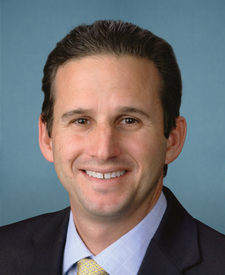
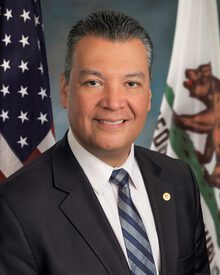
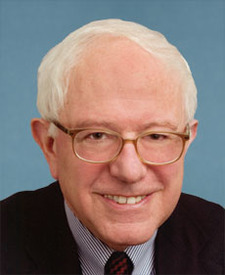
IntroducedMr. Schatz (for himself, Mr. Schumer, Mr. Durbin, Mr. Padilla, …
Stakeholder Effects
cui bono?How this legislation distributes effects. Mention counts reflect frequency, not effect magnitude.
Auto lenders and finance companies, Consumer reporting agencies, Creditors and lenders
Federal agency heads, Federal government employees, Federal workers
Positive-direction: Federal government employees, Federal workers, Federal workers aggrieved by violations, Federal workers who rent, Federal workers with mortgages, Federal workers with student loans, Federal workers with tax obligations, Furloughed federal workers
Negative-direction: Federal agency heads, Internal Revenue Service
Landlords and mortgage lenders, Residential landlords
Government contractors and their employees
Bill Structure & Actor Mappings
Who is "The Secretary" in each section?
- "government_agency"
- → Executive, legislative, or judicial branch authorities
- "the_attorney_general"
- → Attorney General
Key Definitions
Terms defined in this bill
The period beginning on the date a shutdown begins and ending 30 days after the shutdown ends
An employee of a Government agency, including employees of contractors
Any period with more than a 24-hour lapse in appropriations for any Government agency due to failure to enact appropriations, or when US debt exceeds the statutory limit
We use a combination of our own taxonomy and classification in addition to large language models to assess meaning and potential beneficiaries. High confidence means strong textual evidence. Always verify with the original bill text.
Learn more about our methodology