To require the Administrator of the Small Business Administration to relocate 30 percent of the employees assigned to headquarters to duty stations outside the Washington metropolitan area, and for other purposes.
Sponsors


Legislative Progress
ReportedReported by Ms. Ernst, with an amendment
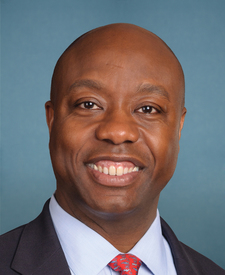
Ms. Ernst (for herself, Mrs. Blackburn, and Mr. Scott of …
Summary
What This Bill Does
Mandates the Small Business Administration relocate 30% of its headquarters employees to locations outside the Washington metropolitan area, prioritizing rural areas and locations outside major urban centers.
Who Benefits and How
Rural communities gain federal employment opportunities. SBA may improve connection to small business clients nationwide. Federal employees gain options outside high-cost DC area.
Who Bears the Burden and How
SBA must implement major workforce relocation. Headquarters employees may face involuntary transfers. Agency must adjust operations for distributed workforce.
Key Provisions
- 30% of headquarters employees must relocate
- Includes full-time teleworkers paid at DC rates
- Prioritizes rural areas (non-urban Census designation)
- Requires reporting in budget justification materials
Evidence Chain:
This summary is derived from the structured analysis below. See "Detailed Analysis" for per-title beneficiaries/burden bearers with clause-level evidence links.
Primary Purpose
Requires SBA to relocate 30% of headquarters employees to rural areas outside Washington DC
Policy Domains
Legislative Strategy
"Decentralize federal workforce to better serve small businesses nationwide"
Bill Structure & Actor Mappings
Who is "The Secretary" in each section?
- "the_administrator"
- → SBA Administrator
Key Definitions
Terms defined in this bill
Employee with permanent duty station at SBA headquarters, or full-time teleworker paid at Washington metropolitan area rate
Any area not designated as urban based on Census data
We use a combination of our own taxonomy and classification in addition to large language models to assess meaning and potential beneficiaries. High confidence means strong textual evidence. Always verify with the original bill text.
Learn more about our methodology