To amend the Internal Revenue Code of 1986 to waive certain penalties for affected Federal employees receiving a distribution from the Thrift Savings Plan during a lapse in appropriations, and for other purposes.
Analysis under review: This bill has generated analysis that may be too generic or incomplete. Clause-level evidence remains available below.
Summary
What This Bill Does
Gives federal employees who are furloughed or working without pay during a qualified appropriations lapse temporary Thrift Savings Plan access, tax-penalty relief, repayment flexibility, and loan-payment protection.
Who Benefits and How
Affected federal employees could access up to $30,000 in TSP hardship or age-based withdrawals during a qualified shutdown without the 10 percent early-distribution tax, repay withdrawals within 120 days after the lapse, and avoid having missed TSP loan payments treated as taxable distributions.
Who Bears the Burden and How
The Federal Retirement Thrift Investment Board, agency HR offices, and tax administrators would need to administer shutdown-specific withdrawal, loan, representation, agency-list, inflation-adjustment, and tax-treatment rules.
Key Provisions
- Waives the 10 percent additional tax for up to $30,000 of TSP distributions to covered federal employees during a qualified lapse in appropriations.
- Indexes the $30,000 cap for taxable years beginning after 2025.
- Requires the TSP Board to permit covered hardship withdrawals during qualified lapses and not limit the number of such withdrawals within the cap.
- Allows covered withdrawals to be repaid to the Thrift Savings Fund before 120 days after the lapse ends, with rollover-style tax treatment.
- Allows TSP loans to furloughed or unpaid employees during a lapse and requires rules for collecting missed loan payments from backpay.
- Prevents missed TSP loan payments caused by shutdowns from being treated as taxable distributions.
Evidence Chain:
This summary is generated from the full bill text using AI analysis. Expand "Detailed Analysis" below for identified beneficiaries/burden bearers.
At a Glance
What This Bill Does
Gives federal employees who are furloughed or working without pay during a qualified appropriations lapse temporary Thrift Savings Plan access, tax-penalty relief, repayment flexibility, and loan-payment protection.
Key Policy Areas
Tax, Labor, Government Operations, Retirement
Primary Purpose
Gives federal employees who are furloughed or working without pay during a qualified appropriations lapse temporary Thrift Savings Plan access, tax-penalty relief, repayment flexibility, and loan-payment protection.
Policy Domains
Main Provisions
Identified Gains
Contextual inference, no direct clause citation- Federal employees furloughed or working without pay during a qualified appropriations lapse
Contextual inference, no direct clause citation
Identified Costs
Contextual inference, no direct clause citation- Federal Retirement Thrift Investment Board, federal agencies, Treasury, and IRS administrators applying special shutdown TSP rules
Contextual inference, no direct clause citation
Sponsors


Legislative Progress
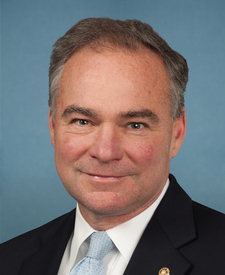
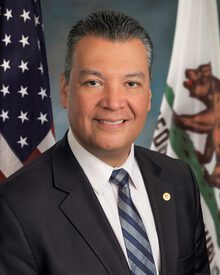
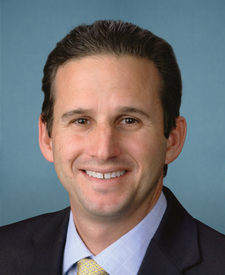
IntroducedMr. Kaine (for himself, Ms. Cortez Masto, Ms. Duckworth, Mr. …
Stakeholder Effects
cui bono?How this legislation distributes effects. Mention counts reflect frequency, not effect magnitude.
Federal Retirement Thrift Investment Board administering shutdown-specific withdrawals, loans, and repayments, Federal agencies compiling affected employee lists during shutdown procedures, Treasury and IRS administrators applying TSP distribution penalty relief
Federal employees furloughed or working without pay during qualified appropriations lapses, Federal employees needing TSP liquidity and repayment flexibility during shutdowns, Federal employees with TSP loans who miss payments because of qualified appropriations lapses
Bill Structure & Actor Mappings
Who is "The Secretary" in each section?
- "board"
- → Federal Retirement Thrift Investment Board
- "director"
- → Director of the Office of Personnel Management
We use a combination of our own taxonomy and classification in addition to large language models to assess meaning and potential beneficiaries. High confidence means strong textual evidence. Always verify with the original bill text.
Learn more about our methodology