OPT Fair Tax Act
Analysis under review: This bill has generated analysis that may be too generic or incomplete. Clause-level evidence remains available below.
Summary
What This Bill Does
Subjects optional practical training wages paid to F-1 visa holders to Social Security and Medicare payroll taxes by removing the current student nonresident exemption for OPT work.
Who Benefits and How
Social Security and Medicare trust funds would collect additional payroll taxes from OPT employment, and U.S. workers or employers seeking equal payroll-tax treatment could benefit from the change.
Who Bears the Burden and How
F-1 students in optional practical training and their employers would face higher payroll-tax costs on OPT wages that are currently exempt.
Key Provisions
- Removes the payroll-tax exemption for F-1 nonimmigrants participating in optional practical training from the Internal Revenue Code definition of employment.
- Makes the same change in the Social Security Act definition of employment.
- Applies the change to services performed in calendar months beginning after enactment.
Evidence Chain:
This summary is generated from the full bill text using AI analysis. Expand "Detailed Analysis" below for identified beneficiaries/burden bearers.
At a Glance
What This Bill Does
Subjects optional practical training wages paid to F-1 visa holders to Social Security and Medicare payroll taxes by removing the current student nonresident exemption for OPT work.
Key Policy Areas
Tax, Immigration, Labor
Primary Purpose
Subjects optional practical training wages paid to F-1 visa holders to Social Security and Medicare payroll taxes by removing the current student nonresident exemption for OPT work.
Policy Domains
Main Provisions
Identified Gains
Contextual inference, no direct clause citation- Social Security and Medicare financing and stakeholders seeking equal payroll-tax treatment for OPT work
Contextual inference, no direct clause citation
Identified Costs
Contextual inference, no direct clause citation- F-1 students in optional practical training and their employers
Contextual inference, no direct clause citation
Sponsors
Legislative Progress
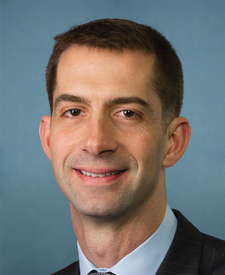
In CommitteeMr. Cotton introduced the following bill; which was read twice …
Read twice and referred to the Committee on Finance.
Introduced in Senate
Stakeholder Effects
cui bono?How this legislation distributes effects. Mention counts reflect frequency, not effect magnitude.
F-1 students participating in optional practical training
Employers paying wages to F-1 students in optional practical training
Social Security and Medicare trust funds receiving payroll taxes on OPT wages
Bill Structure & Actor Mappings
Who is "The Secretary" in each section?
We use a combination of our own taxonomy and classification in addition to large language models to assess meaning and potential beneficiaries. High confidence means strong textual evidence. Always verify with the original bill text.
Learn more about our methodology