To establish universal child care and early learning programs.
Sponsors
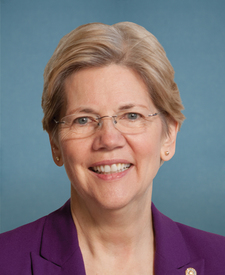
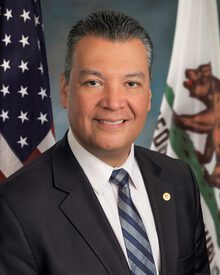
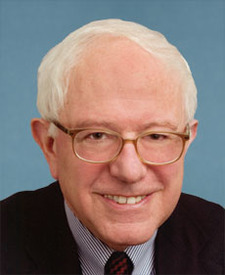
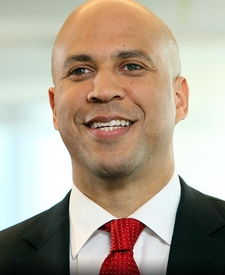
Legislative Progress
IntroducedMs. Warren (for herself, Mr. Blumenthal, Ms. Smith, Mr. Booker, …
Summary
What This Bill Does
The Child Care for Every Community Act creates a universal child care and early learning program available to ALL children from birth until they enter school, regardless of family income, citizenship status, or parents' employment. It establishes an uncapped federal entitlement - meaning the government must provide funding for every eligible child who requests services. The federal government would pay at least 90% of costs, with 100% coverage for migrant farmworkers and Native American tribes.
Who Benefits and How
Working families with young children gain access to affordable, high-quality child care with fees capped at 7% of family income (free for low-income families). This addresses the current "child care crisis" where costs often exceed mortgage payments.
Child care workers would receive major wage increases - pay must be comparable to K-12 teachers with similar training and experience, or at least a living wage. The bill also guarantees union recognition and collective bargaining rights.
Indian Tribes and Tribal organizations receive priority designation as "prime sponsors" on Tribal lands with 100% federal funding, reinforcing tribal sovereignty over child care programs.
HBCUs, Hispanic-Serving Institutions, and Tribal Colleges get priority for training grants, creating new revenue and enrollment opportunities.
Labor unions benefit from mandatory collective bargaining recognition and funding for union-sponsored training programs.
Who Bears the Burden and How
Federal taxpayers face significant new spending through an uncapped entitlement plus $500 million annually for administration and training. The Congressional Budget Office would need to score total costs, likely in the tens of billions annually.
State governments must maintain current child care spending levels (cannot reduce spending because of new federal funds) and pay 10% of program costs.
Existing child care providers face new compliance burdens including national standards modeled on Head Start, mandatory national accreditation within 6 years, training requirements, and wage mandates that could strain smaller operations.
Key Provisions
- Universal entitlement: Every child under school age can access child care regardless of family income, citizenship, or parental employment
- 90-100% federal funding: Federal government pays at least 90% of costs (100% for tribal and migrant programs)
- Fee caps: Families pay no more than 7% of income; low-income families pay nothing
- Living wage mandate: Child care workers must be paid comparably to K-12 teachers
- Union rights: Mandatory recognition of and bargaining with labor unions representing child care workers
- National standards: HHS must establish federal quality standards modeled on Head Start and military child care within 18 months
- State maintenance of effort: States cannot reduce child care spending due to new federal funds
Evidence Chain:
This summary is derived from the structured analysis below. See "Detailed Analysis" for per-title beneficiaries/burden bearers with clause-level evidence links.
Primary Purpose
Establishes a universal, comprehensive child care and early learning program available to all children from birth to school age, regardless of family income or circumstances, with an uncapped entitlement for services.
Policy Domains
Legislative Strategy
"Create universal entitlement to child care modeled on Head Start and military child care programs, with federal funding of 90-100% of costs, administered through locally designated prime sponsors."
Likely Beneficiaries
- Working families with young children (universal access, fees capped at 7% of income)
- Low-income families (100% federal funding, priority enrollment)
- Child care workers (mandated professional development, wage requirements, labor organizing rights)
- Child care centers and family child care homes (significant new federal funding)
- Indian Tribes and Tribal organizations (priority designation, 100% federal funding)
- Migrant and seasonal farmworker families (100% federal funding, dedicated programs)
Likely Burden Bearers
- Federal taxpayers (uncapped entitlement spending, M annually for administration)
- States (10% cost share, maintenance of effort requirements)
- Existing child care providers (must meet new national standards, accreditation requirements)
Bill Structure & Actor Mappings
Who is "The Secretary" in each section?
- "prime_sponsor"
- → State, locality, Indian Tribe, Tribal organization, or public/private nonprofit designated to carry out child care programs
- "the_secretary"
- → Secretary of Health and Human Services
Key Definitions
Terms defined in this bill
An individual in a family with income not more than 200 percent of the poverty line.
A child who is not yet required to attend school under state compulsory attendance laws and meets requirements of regulations under section 124.
A State, locality, Indian Tribe, Tribal organization, or public/private nonprofit designated by the Secretary to enter into arrangements to carry out child care programs.
Not less than 10 hours per day.
A child acquiring two or more languages at the same time, or learning a second language while developing their first language.
Any program that provides child care and early learning services in child care and early learning centers (including schools) or in family child care homes.
We use a combination of our own taxonomy and classification in addition to large language models to assess meaning and potential beneficiaries. High confidence means strong textual evidence. Always verify with the original bill text.
Learn more about our methodology