SHADOW Fleet Sanctions Act of 2026
Summary
What This Bill Does
The SHADOW Fleet Sanctions Act targets the maritime and financial networks Russia uses to move oil, evade Western price caps, and support its war economy. It defines adequate maritime insurance, beneficial ownership, foreign vessels, petroleum products, the Price Cap Coalition, and Russian-origin oil terms, then requires sanctions on vessels suspected of participating in or supporting the Russian shadow fleet, foreign persons that support illicit Russian shipping, and port terminals that accept oil from sanctioned shadow-fleet vessels. It requires alignment of U.S. designations with European Union and United Kingdom shadow-fleet lists, supports the Joint Expeditionary Force, creates or updates public information about vessels involved in sabotage and illicit activity, requires reports on licenses under Executive Order 14024, sets minimum standards for flag-state registries, and requires strategies for countries that do not police their registries. The bill also directs Treasury and State to monitor oil price-cap compliance, report on the crude oil price cap, promote international identification of Russian-origin oil carriers, sanction persons with interests in Russian energy projects, modify prior European energy security sanctions law, report on Russian-origin petroleum product exports, develop a strategy against PRC evasion of Russian petroleum sanctions, sanction suppliers to the Russian defense industrial base, specify sanctions, exceptions, waivers, implementation, and termination rules, determine Russian military support for the shadow fleet, provide State Department sanctions resources, authorize $200 million for the Countering Russian Influence Fund, require repeated reports on presidential drawdown authority and the Ukraine Security Assistance Initiative, and support Ukraine arms sales.
Who Benefits and How
Ukraine benefits because the bill attacks Russia's oil revenue, maritime sanctions evasion, defense supply chains, and energy-project financing while preserving Ukraine security reporting and arms-sale support. Allied sanctions partners benefit because U.S. designation authorities are aligned with European Union and United Kingdom shadow-fleet measures and coordinated with the Price Cap Coalition. The Price Cap Coalition benefits from U.S. monitoring, reporting, and international enforcement pressure against Russian-origin crude oil and petroleum products. The Joint Expeditionary Force benefits from congressional support for tracking, monitoring, deterring, and responding to Russian shadow-fleet operations. Legitimate maritime insurers benefit because the bill distinguishes adequate audited insurance from Russian or sanction-evading insurance. State Department sanctions offices and Treasury sanctions offices benefit from explicit resources, reporting mandates, and implementation authority. Ukraine Security Assistance Initiative administrators benefit from recurring reports and policy support linked to Russia sanctions pressure.
Who Bears the Burden and How
Russian shadow fleet vessels face sanctions, public identification, and higher operating risk. Foreign vessel owners and beneficial owners face sanctions exposure when they support illicit Russian shipping. Port terminal operators face sanctions risk if they accept oil from sanctioned shadow-fleet vessels. Flag state registries face U.S. assessment, strategy pressure, and possible consequences if they do not prevent sanctions circumvention. Russian energy project investors face sanctions under the bill's Russian energy project provisions. PRC sanctions evasion networks face a required U.S. strategy targeting their role in Russian-origin petroleum product evasion. Russian defense suppliers face sanctions for selling, leasing, or providing goods or services to Russia's defense industrial base. State Department and Treasury Department staff must carry out sanctions designations, reports, waivers, coordination, databases, and implementation work.
Key Provisions
- Requires sanctions on vessels suspected of participating in or supporting the Russian shadow fleet.
- Requires sanctions on foreign persons that support illicit Russian shipping involving sanctioned vessels.
- Authorizes sanctions on port terminals accepting oil from Russian shadow-fleet vessels.
- Requires U.S. alignment with European Union and United Kingdom shadow-fleet designation authorities.
- Requires minimum standards and strategies for flag state registries that enable sanctions evasion.
- Requires oil price-cap monitoring, reports on Russian-origin oil, and a strategy against PRC petroleum-sanctions evasion.
- Requires sanctions on Russian energy project interests and Russian defense industrial base suppliers.
- Authorizes $200 million for the Countering Russian Influence Fund and requires Ukraine security assistance reporting and arms-sale support.
Evidence Chain:
This summary is generated from the full bill text using AI analysis. Expand "Detailed Analysis" below for identified beneficiaries/burden bearers with clause-level evidence links.
At a Glance
What This Bill Does
Creates a broad Russian shadow-fleet sanctions package covering suspect vessels, foreign supporters, port terminals, flag-state registries, Russian oil price-cap enforcement, PRC evasion, Russian energy projects, Russian defense suppliers, sanctions implementation resources, Ukraine security reporting, and Ukraine arms-sale support.
Key Policy Areas
Sanctions, Russia, Maritime, Energy, Ukraine
Primary Purpose
Creates a broad Russian shadow-fleet sanctions package covering suspect vessels, foreign supporters, port terminals, flag-state registries, Russian oil price-cap enforcement, PRC evasion, Russian energy projects, Russian defense suppliers, sanctions implementation resources, Ukraine security reporting, and Ukraine arms-sale support.
Policy Domains
Bill provisions
Identified Gains
- Ukraine assistance programs
- Allied government agencies
- Price Cap Coalition agencies
- Joint Expeditionary Force commanders
- Maritime insurance companies
- State Department sanctions offices
- Treasury sanctions offices
- Ukraine Security Assistance Initiative administrators
- Congressional foreign affairs committees
Identified Costs
- Russian shadow fleet vessel operators
- Foreign vessel owner companies
- Port terminal managers
- Flag state registry offices
- Russian energy project investor companies
- PRC sanctions evasion agencies
- Russian defense supplier companies
- State Department sanctions offices
- Treasury sanctions offices
Sponsors

Legislative Progress
ReportedPlaced on Senate Legislative Calendar under General Orders. Calendar No. …
Committee on Foreign Relations. Reported by Senator Risch with an …
Reported by Mr. Risch, with an amendment
Committee on Foreign Relations. Ordered to be reported with an …
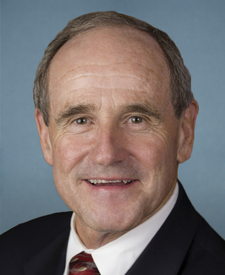
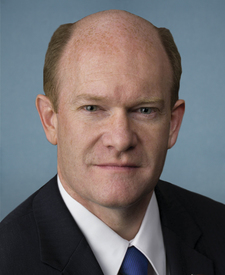
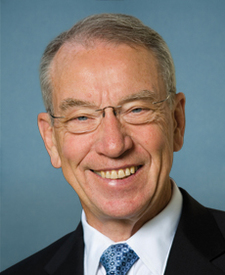
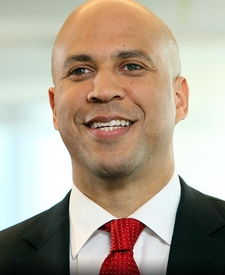
Mr. Risch (for himself, Mrs. Shaheen, Mr. Cotton, Mr. Whitehouse, …
Read twice and referred to the Committee on Foreign Relations.
Introduced in Senate
Mr. Risch (for himself, Mrs. Shaheen, Mr. Cotton, Mr. Whitehouse, …
Stakeholder Effects
cui bono?How this legislation distributes effects. Mention counts reflect frequency, not effect magnitude.
Allied sanctions partners, PRC sanctions evasion networks, Price Cap Coalition
Positive-direction: Allied sanctions partners, Price Cap Coalition, Ukraine
Negative-direction: PRC sanctions evasion networks, State Department sanctions offices, Treasury sanctions offices
Flag state registries, Foreign vessel owners, Russian shadow fleet vessels
Joint Expeditionary Force, Russian defense suppliers
Positive-direction: Joint Expeditionary Force
Negative-direction: Russian defense suppliers
Ukraine Security Assistance Initiative administrators
Bill Structure & Actor Mappings
Who is "The Secretary" in each section?
- "treasury"
- → Secretary of the Treasury
- "president"
- → President
- "secretary"
- → Secretary of State
We use a combination of our own taxonomy and classification in addition to large language models to assess meaning and potential beneficiaries. High confidence means strong textual evidence. Always verify with the original bill text.
Learn more about our methodology