GREEN Streets Act
Analysis under review: This bill has generated analysis that may be too generic or incomplete. Clause-level evidence remains available below.
Summary
What This Bill Does
The bill adds greenhouse gas emission reduction as a national highway performance measure under 23 USC 150, requires Secretary to establish minimum standards for reducing per capita VMT, improving road resilience, and reducing, requires metropolitan planning organizations and states to conduct and publish environmental and GHG impact analyses before approving federally-funded road capacity expansion projects (new lanes or >= $25M), mandates, and provides states failing GHG performance targets must redirect 33% of National Highway Performance Program funds and 10% of Surface Transportation Block Grant funds to qualifying GHG-reducing projects including transit. It relies on compliance mandates, reporting requirements, product standards, and appropriations. The main policy areas are Transportation, Housing, and Finance.
Who Benefits and How
Public transit agencies could gain revenue opportunities, Urban transit riders would be affected, and People with disabilities would be affected.
Who Bears the Burden and How
US Department of Transportation would be affected, State Departments of Transportation would be affected, and State DOTs (non-compliant) would be affected.
Key Provisions
- Adds greenhouse gas emission reduction as a national highway performance measure under 23 USC 150, requires Secretary to establish minimum standards for reducing per capita VMT, improving road resilience, and reducing...
- Requires metropolitan planning organizations and states to conduct and publish environmental and GHG impact analyses before approving federally-funded road capacity expansion projects (new lanes or >= $25M), mandates...
- Provides states failing GHG performance targets must redirect 33% of National Highway Performance Program funds and 10% of Surface Transportation Block Grant funds to qualifying GHG-reducing projects including transit...
- Establishes five national transit accessibility standards and performance measures (transit accessibility, stop distance, mode share, first/last mile accessibility, disability accessibility) that covered entities (metro...
- Establishes ongoing reporting schedule for covered entities on transit accessibility progress, provides technical assistance including analytical tools to covered entities and non-covered entities (including rural...
Evidence Chain:
This summary is generated from the full bill text using AI analysis. Expand "Detailed Analysis" below for identified beneficiaries/burden bearers with clause-level evidence links.
At a Glance
What This Bill Does
The bill adds greenhouse gas emission reduction as a national highway performance measure under 23 USC 150, requires Secretary to establish minimum standards for reducing per capita VMT, improving road resilience, and reducing, requires metropolitan planning organizations and states to conduct and publish environmental and GHG impact analyses before approving federally-funded road capacity expansion projects (new lanes or >= $25M), mandates, and provides states failing GHG performance targets must redirect 33% of National Highway Performance Program funds and 10% of Surface Transportation Block Grant funds to qualifying GHG-reducing projects including transit.
Key Policy Areas
Transportation, Housing, Finance
Primary Purpose
The bill adds greenhouse gas emission reduction as a national highway performance measure under 23 USC 150, requires Secretary to establish minimum standards for reducing per capita VMT, improving road resilience, and reducing, requires metropolitan planning organizations and states to conduct and publish environmental and GHG impact analyses before approving federally-funded road capacity expansion projects (new lanes or >= $25M), mandates, and provides states failing GHG performance targets must redirect 33% of National Highway Performance Program funds and 10% of Surface Transportation Block Grant funds to qualifying GHG-reducing projects including transit.
Policy Domains
Whole bill
Identified Gains
- Public transit agencies
- Urban transit riders
- People with disabilities
- Environmental justice communities
- Transit planning consultancies
Identified Costs
- US Department of Transportation
- State Departments of Transportation
- State DOTs (non-compliant)
- Metropolitan planning organizations
- Metropolitan planning areas (250K+ population)
Sponsors
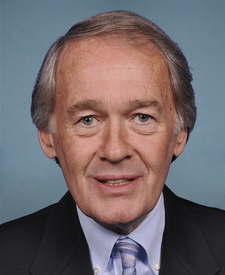
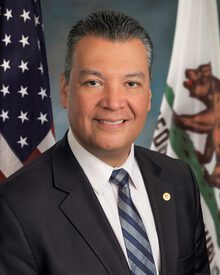



Legislative Progress
In CommitteeMr. Markey (for himself, Mr. Padilla, Mr. Merkley, and Mr. …
Read twice and referred to the Committee on Environment and …
Introduced in Senate
Stakeholder Effects
cui bono?How this legislation distributes effects. Mention counts reflect frequency, not effect magnitude.
Access Board, Covered entities (metro areas >= 250K), Environmental Protection Agency
Positive-direction: Access Board, Environmental Protection Agency
Negative-direction: Covered entities (metro areas >= 250K), Metropolitan planning areas (250K+ population), Metropolitan planning organizations, State DOTs, State DOTs (non-compliant), State DOTs with large metro areas, State Departments of Transportation, US Department of Transportation
Bus rapid transit operators, Communities near high-traffic roads, Environmental justice communities
Highway construction companies, Highway construction contractors, Highway construction industry
Intercity passenger rail operators, Passenger rail operators, Rail transit operators
Active transportation infrastructure builders, Active transportation infrastructure firms
Transit planning consultancies, Transportation data analytics firms
Micromobility and shared vehicle service providers
Bill Structure & Actor Mappings
Who is "The Secretary" in each section?
We use a combination of our own taxonomy and classification in addition to large language models to assess meaning and potential beneficiaries. High confidence means strong textual evidence. Always verify with the original bill text.
Learn more about our methodology