Southern Mongolian Human Rights Policy Act
Analysis under review: This bill has generated analysis that may be too generic or incomplete. Clause-level evidence remains available below.
Summary
What This Bill Does
The bill requires congressional findings documenting systematic suppression of Southern Mongolian identity, language, religion, and livelihoods by the People's Republic of China, including forced language assimilation, establishes official US policy to support Southern Mongolian human rights, cultural and linguistic heritage preservation, traditional pastoralist livelihoods, and to press China to honor autonomy commitments, and requires sense of Congress calling on the President to condemn abuses, the Secretary of State to work with allies and UN bodies on Southern Mongolian rights, US companies to avoid complicity in human rights violations. It relies on reporting requirements, mandate, sanction, and spending. The main policy areas are Foreign Affairs and Civil Rights.
Who Benefits and How
Southern Mongolian people in China would be affected, Mongolian language speakers in Mongolia, China, and Russia would be affected, and Voice of America could gain revenue opportunities.
Who Bears the Burden and How
Government of the People's Republic of China would take on compliance duties, Chinese government officials responsible for abuses could face higher costs, and Department of State would take on compliance duties.
Key Provisions
- Requires congressional findings documenting systematic suppression of Southern Mongolian identity, language, religion, and livelihoods by the People's Republic of China, including forced language assimilation...
- Establishes official US policy to support Southern Mongolian human rights, cultural and linguistic heritage preservation, traditional pastoralist livelihoods, and to press China to honor autonomy commitments.
- Requires sense of Congress calling on the President to condemn abuses, the Secretary of State to work with allies and UN bodies on Southern Mongolian rights, US companies to avoid complicity in human rights violations...
- Directs the Secretary of State to consider establishing a dedicated Inner Mongolia team at the US Embassy in Beijing for monitoring human rights and political developments, with Mongolian language proficiency...
- Directs the Ambassador at Large for International Religious Freedom to assess impacts of China's restrictions on Tibetan Buddhism on non-Tibetan practitioners inside and outside China, and ensures these impacts are...
Evidence Chain:
This summary is generated from the full bill text using AI analysis. Expand "Detailed Analysis" below for identified beneficiaries/burden bearers with clause-level evidence links.
At a Glance
What This Bill Does
The bill requires congressional findings documenting systematic suppression of Southern Mongolian identity, language, religion, and livelihoods by the People's Republic of China, including forced language assimilation, establishes official US policy to support Southern Mongolian human rights, cultural and linguistic heritage preservation, traditional pastoralist livelihoods, and to press China to honor autonomy commitments, and requires sense of Congress calling on the President to condemn abuses, the Secretary of State to work with allies and UN bodies on Southern Mongolian rights, US companies to avoid complicity in human rights violations.
Key Policy Areas
Foreign Affairs, Civil Rights
Primary Purpose
The bill requires congressional findings documenting systematic suppression of Southern Mongolian identity, language, religion, and livelihoods by the People's Republic of China, including forced language assimilation, establishes official US policy to support Southern Mongolian human rights, cultural and linguistic heritage preservation, traditional pastoralist livelihoods, and to press China to honor autonomy commitments, and requires sense of Congress calling on the President to condemn abuses, the Secretary of State to work with allies and UN bodies on Southern Mongolian rights, US companies to avoid complicity in human rights violations.
Policy Domains
Sections 1-4: Findings, Policy Statement, and Sense of Congress
Identified Gains
- Southern Mongolian people in China
- Mongolian language speakers in Mongolia, China, and Russia
- Voice of America
- Southern Mongolian political prisoners and dissidents
- Southern Mongolian political prisoners and activists
Identified Costs
- Government of the People's Republic of China
- Chinese government officials responsible for abuses
- Department of State
- Smithsonian Institution
- US companies operating in Inner Mongolia
Sponsors
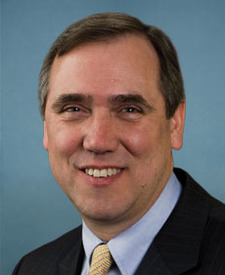
Jeff Merkley
D-OR | Primary Sponsor
Legislative Progress
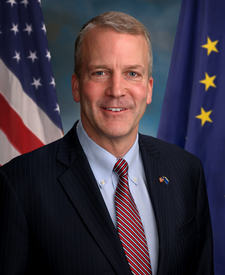
In CommitteeMr. Merkley (for himself and Mr. Sullivan) introduced the following …
Read twice and referred to the Committee on Foreign Relations.
Introduced in Senate
Stakeholder Effects
cui bono?How this legislation distributes effects. Mention counts reflect frequency, not effect magnitude.
Chinese government officials responsible for abuses, Department of State, Government of the People's Republic of China
Positive-direction: Voice of America
Negative-direction: Chinese government officials responsible for abuses, Department of State, Government of the People's Republic of China, Institute for Museum and Library Sciences, President of the United States, Smithsonian Institution, US Agency for Global Media
Mongolian language speakers in Mongolia, China, and Russia, Southern Mongolian diaspora, Southern Mongolian diaspora in the United States
Southern Mongolian political prisoners and activists, Southern Mongolian political prisoners and dissidents
Non-Tibetan practitioners of Tibetan Buddhism in China, Tibetan Buddhism practitioners outside China
Bill Structure & Actor Mappings
Who is "The Secretary" in each section?
- "congress"
- → United States Congress
- "the_president"
- → President of the United States
- "the_secretary"
- → Secretary of State
- "the_secretary"
- → Secretary of State
- "the_ambassador_at_large"
- → Ambassador at Large for International Religious Freedom
- "the_president"
- → President of the United States
- "ceo_usagm"
- → Chief Executive Officer of the United States Agency for Global Media
- "imls_director"
- → Director of the Institute for Museum and Library Sciences
- "smithsonian_secretary"
- → Secretary of the Smithsonian Institution
- "treasury_secretary"
- → Secretary of the Treasury
Note: 'The Secretary' refers to different officials across scopes: Secretary of State in Sections 3-6, Secretary of the Smithsonian in Section 9, Secretary of the Treasury in Section 10
Key Definitions
Terms defined in this bill
Senate Foreign Relations, Senate Banking, House Foreign Affairs, House Financial Services
An individual or entity that is not a United States person
A United States citizen or lawful permanent resident, an entity organized under US laws, or any person in the United States
We use a combination of our own taxonomy and classification in addition to large language models to assess meaning and potential beneficiaries. High confidence means strong textual evidence. Always verify with the original bill text.
Learn more about our methodology