To address the forest health crisis on the National Forest System and public lands, and for other purposes.
Analysis under review: This bill has generated analysis that may be too generic or incomplete. Clause-level evidence remains available below.
Summary
What This Bill Does
Establishes annual thinning targets for National Forest System and BLM lands based on 2017-2021 averages. Aims to address forest health crisis through increased mechanical thinning and active management.
Who Benefits and How
Timber industry gains predictable access to federal timber through thinning operations. Rural communities benefit from reduced wildfire risk and forestry jobs. Federal lands benefit from improved forest health.
Who Bears the Burden and How
Forest Service and BLM must meet annual thinning targets. Environmental groups may oppose increased logging on federal lands. Federal budget supports expanded management activities.
Key Provisions
- Establishes baseline thinning targets from 2017-2021 averages
- Requires annual mechanical thinning targets for commercial and pre-commercial thinning
- Applies to National Forest System and BLM public lands
Evidence Chain:
This summary is generated from the full bill text using AI analysis. Expand "Detailed Analysis" below for identified beneficiaries/burden bearers.
At a Glance
What This Bill Does
Addresses forest health crisis by increasing mechanical thinning and active management on federal lands
Who Benefits
- Timber industry
- Rural communities
- Wildfire prevention
Who Bears Costs
- Forest Service
- BLM
- Environmental interests
Key Policy Areas
Forest Management, Public Lands, Wildfire Prevention
Primary Purpose
Addresses forest health crisis by increasing mechanical thinning and active management on federal lands
Policy Domains
Legislative Strategy
"Increase active forest management to reduce wildfire risk"
Sponsors
Legislative Progress
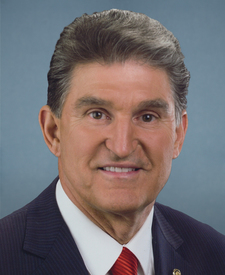
ReportedReported by Mr. Manchin, with an amendment
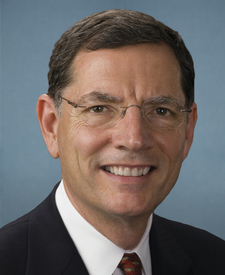
Mr. Barrasso (for himself and Mr. Manchin) introduced the following …
Stakeholder Effects
cui bono?How this legislation distributes effects. Mention counts reflect frequency, not effect magnitude.
Federal land management agencies, Federal wildland firefighters, Federal wildland firefighters in government housing
Positive-direction: Federal wildland firefighters, Federal wildland firefighters in government housing, Forest Service and BLM hiring, Forest Service and Interior Department, Forest Service budget and operations, Forest Service road and trail managers, USGS and Forest Service researchers
Negative-direction: Federal land management agencies, Forest Service and BLM, Forest Service and BLM land managers, GAO
Logging workforce and training programs, Small logging businesses needing equipment, Timber and logging companies
Timber and logging companies faces effects in multiple directions
Environmental litigation plaintiffs, Wetland restoration contractors, Wildlife and hunting organizations
Positive-direction: Wetland restoration contractors, Wildlife and hunting organizations
Negative-direction: Environmental litigation plaintiffs
Livestock ranchers with grazing permits, Ranchers with grazing permits
Local governments adjacent to federal lands, Local governments near federal lands
Electric utilities with federal land transmission lines
Bill Structure & Actor Mappings
Who is "The Secretary" in each section?
- "secretary_ag"
- → Secretary of Agriculture/Forest Service
- "secretary_int"
- → Secretary of Interior/BLM
Key Definitions
Terms defined in this bill
per Forest and Rangeland Renewable Resources Planning Act, excludes certain reserves
per FLPMA, excludes O&C lands
We use a combination of our own taxonomy and classification in addition to large language models to assess meaning and potential beneficiaries. High confidence means strong textual evidence. Always verify with the original bill text.
Learn more about our methodology