To amend the Child Care Access Means Parents In School Program under the Higher Education Act of 1965.
Sponsors

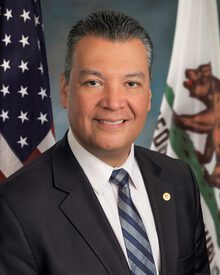


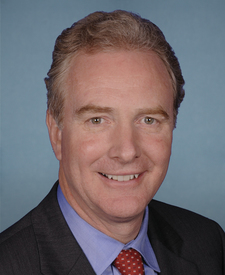
Legislative Progress
No timeline data available
Summary
What This Bill Does
This bill reauthorizes and reforms the Child Care Access Means Parents In School (CCAMPIS) program, which helps student parents in college by providing grants to institutions for child care services. The program aims to help parents complete their degrees by removing the barrier of unaffordable child care.
Who Benefits and How
- Student parents gain access to affordable campus-based child care, making it possible to attend classes and complete their degrees.
- Colleges and universities can apply for larger grants (,000 to ,000,000 annually) with 5-year funding periods, providing more stability for child care programs.
- Children of student parents benefit from quality child care services on or near campus.
Who Bears the Burden and How
- Federal taxpayers fund the CCAMPIS grant program.
- Institutions must demonstrate ongoing need and outcomes to receive continuation funding.
Key Provisions
- Establishes grant amounts between ,000 minimum and ,000,000 maximum per year
- Extends grant periods to 5 years for funding stability
- Allows institutions to apply for additional funds in subsequent years if they demonstrate need
- Focuses on campus-based child care services for eligible student parents
- Grant amounts adjust based on total available funding
Evidence Chain:
This summary is derived from the structured analysis below. See "Detailed Analysis" for per-title beneficiaries/burden bearers with clause-level evidence links.
Primary Purpose
Reauthorizes and reforms the Child Care Access Means Parents In School (CCAMPIS) program to help student parents succeed in higher education by providing child care services, with grants ranging from ,000 to ,000,000 per institution for 5-year periods.
Policy Domains
Bill Structure & Actor Mappings
Who is "The Secretary" in each section?
- "the_secretary"
- → Secretary of Education
We use a combination of our own taxonomy and classification in addition to large language models to assess meaning and potential beneficiaries. High confidence means strong textual evidence. Always verify with the original bill text.
Learn more about our methodology