Protecting Our Democracy Act
Analysis under review: This bill has generated analysis that may be too generic or incomplete. Clause-level evidence remains available below.
Summary
What This Bill Does
This legislation (Protecting Our Democracy Act) establishes comprehensive reforms to prevent presidential abuses of power. It bans presidential self-pardons, requires disclosure when pardons involve the President's associates, strengthens the foreign and domestic emoluments clauses, protects inspectors general from politically-motivated removals, reforms the Hatch Act enforcement, and limits emergency powers.
Who Benefits and How
Congress gains oversight authority over pardons involving presidential associates and can sue to enforce emoluments violations. Inspectors General receive protection from removal without cause and 30-day congressional notification. Government ethics officials at OGE and OSC gain new enforcement powers over emoluments violations. The public benefits from increased transparency through mandatory tax return disclosure and stricter lobbying rules for former officials. Whistleblowers receive enhanced protections.
Who Bears the Burden and How
The President faces significant new constraints: cannot self-pardon, must disclose emoluments and tax returns, cannot use DOJ to investigate political opponents without documented predication. Presidential associates and family members receiving pardons face disclosure requirements. Foreign governments can no longer provide benefits to the President through business dealings. Political appointees face stricter ethics rules and post-employment lobbying restrictions. Inaugural committees face donation limits and disclosure requirements.
Key Provisions
- Bans presidential self-pardons outright
- Requires AG to provide Congress materials on pardons involving presidential associates
- Congress can sue to enforce foreign emoluments clause in federal court
- Protects inspectors general from removal without 30-day notice to Congress
- Strengthens Hatch Act enforcement with new penalties
- Limits national emergency declarations to 30 days without congressional approval
- Requires presidential and VP candidates to disclose 10 years of tax returns
- Bans foreign agents from inaugural committee donations
Evidence Chain:
This summary is generated from the full bill text using AI analysis. Expand "Detailed Analysis" below for identified beneficiaries/burden bearers.
At a Glance
What This Bill Does
Prevents abuses of presidential power by reforming pardon authority, banning self-pardons, strengthening emoluments enforcement, protecting inspectors general, reforming the Hatch Act, and establishing guardrails against corruption and foreign interference.
Who Benefits
- Congress (oversight authority)
- Office of Government Ethics
- Office of Special Counsel
Who Bears Costs
- The President
- Vice President
- Presidential family members
Key Policy Areas
Government Ethics, Executive Power, Anti-Corruption, National Security, Elections
Primary Purpose
Prevents abuses of presidential power by reforming pardon authority, banning self-pardons, strengthening emoluments enforcement, protecting inspectors general, reforming the Hatch Act, and establishing guardrails against corruption and foreign interference.
Policy Domains
Legislative Strategy
"Codify post-Trump era reforms to prevent future presidential abuses by establishing bright-line rules, enhancing oversight, and creating enforcement mechanisms that don't depend on presidential cooperation"
Sponsors

Legislative Progress
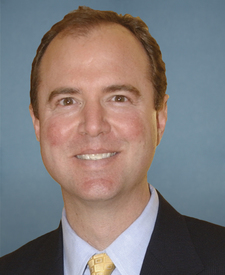
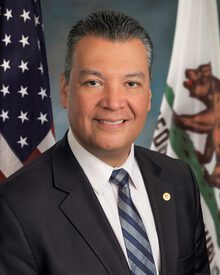
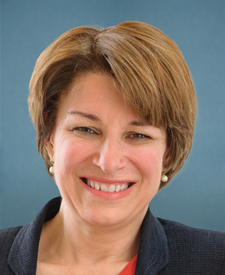
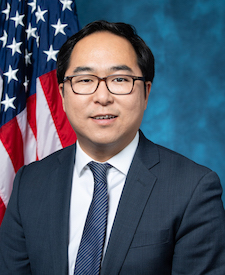
In CommitteeMr. Schiff (for himself, Ms. Klobuchar, Mr. Kim, Mr. Blumenthal, …
Read twice and referred to the Committee on Homeland Security …
Introduced in Senate
Stakeholder Effects
cui bono?How this legislation distributes effects. Mention counts reflect frequency, not effect magnitude.
Appointees seeking waivers, Appointees violating ethics pledges, Attorney General
Federal employees, Government Accountability Office, Office of Government Ethics, Office of Special Counsel face effects in multiple directions
Positive-direction: Appointees seeking waivers, Congress, Congress (oversight authority), Congressional intelligence committees, FBI, Federal courts, Federal employee whistleblowers, Government scientists and researchers, Intelligence community whistleblowers, Whistleblowers
Negative-direction: Appointees violating ethics pledges, Attorney General, Department of Justice, Executive Office of the President, Executive branch appointees, Executive branch employees, Executive branch officers with conflicts, Executive branch officials, Executive branch officials violating Impoundment Act, Executive branch officials with business interests, Executive branch witnesses, Federal Election Commission, Federal agencies, Federal agencies with Antideficiency violations, Federal employees engaging in political activity, Former Presidents convicted of felonies, Intelligence Community, Office of Management and Budget, Officials named in whistleblower complaints, Officials subject to emoluments investigation, Officials violating emoluments rules, Officials who disclose whistleblower identities, Officials with legal expense funds, Political appointees, Public officials subject to bribery laws, The President, The President (pardon power), The President and Vice President, The President and officeholders receiving foreign emoluments, White House, White House staff
Foreign nationals, Individuals convicted of federal contract crimes, Pardon recipients who gave gifts to President
Positive-direction: Political opponents of the President, Public and journalists, Voters and public
Negative-direction: Foreign nationals, Individuals convicted of federal contract crimes, Pardon recipients who gave gifts to President, Subpoena recipients
Campaign finance violators, Inaugural committees, Political campaigns
Online platforms, Online platforms (Facebook, Google, etc.)
Corporations seeking inaugural access, Foreign-owned US subsidiaries
Bill Structure & Actor Mappings
Who is "The Secretary" in each section?
- "the_director"
- → Director of the Office of Government Ethics
- "the_attorney_general"
- → Attorney General of the United States
- "the_director"
- → Director of the Office of Government Ethics
- "the_special_counsel"
- → Special Counsel
- "the_director"
- → Director of the Office of Government Ethics
- "the_special_counsel"
- → Special Counsel
Key Definitions
Terms defined in this bill
Offense arising from investigation where target is the President, relative, former President, political appointee, or campaign employee
Any profit, gain, or advantage, including payment from commercial transaction at fair market value, received from any foreign, federal, state, or local government
Includes commutation of sentence
We use a combination of our own taxonomy and classification in addition to large language models to assess meaning and potential beneficiaries. High confidence means strong textual evidence. Always verify with the original bill text.
Learn more about our methodology