To support communities that host transmission lines and to promote conservation and recreation, and for other purposes.
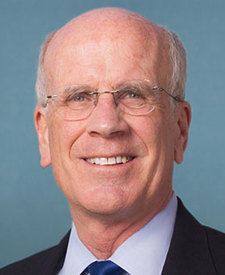
Sponsors

Legislative Progress
IntroducedMr. Welch (for himself and Mr. Hickenlooper) introduced the following …
Summary
What This Bill Does
The Energizing Our Communities Act establishes a new federal fund that takes a portion of the interest payments from large transmission line loans (999+ megawatts) and redistributes that money to local communities that host these transmission projects. Communities receive payments 18 months after construction begins and must use the funds for infrastructure improvements, public services, and conservation efforts.
Who Benefits and How
Local governments and tribal communities hosting large transmission projects benefit directly by receiving federal payments to invest in their communities. These host communities can use 80% of the funds for infrastructure like schools, roads, hospitals, broadband, and renewable energy workforce training. Rural communities and small-population areas receive special consideration through a minimum payment formula to ensure they're not overlooked. Renewable energy companies and transmission developers also benefit indirectly, as the fund makes it easier to gain community support for major transmission projects by providing tangible local benefits.
Who Bears the Burden and How
The Department of Energy faces new administrative responsibilities for managing the fund, developing payment formulas, and tracking eligible projects. Taxpayers don't directly fund this program since it's financed through interest payments on existing loan programs, but federal loan programs that fund transmission lines will see a portion of their interest revenue redirected to this community fund rather than returning to the Treasury. Transmission project developers may face indirect costs if loan interest rates increase to compensate for the diverted funds, though the bill doesn't explicitly require this.
Key Provisions
• Creates a Community Economic Development Transmission Fund financed by interest from federal transmission line loans of 999 megawatts or larger capacity
• Requires host communities to spend at least 20% of payments on conservation, wildlife habitat restoration, or public recreation access improvements
• Limits each community to one payment per transmission project, with payments made 18 months after construction begins
• Allows communities to use up to 80% of funds for infrastructure, public services, broadband access, and renewable energy workforce training programs
• Mandates the Department of Energy to develop a payment formula that ensures long-term fund solvency while providing minimum payments for small-population communities
Evidence Chain:
This summary is derived from the structured analysis below. See "Detailed Analysis" for per-title beneficiaries/burden bearers with clause-level evidence links.
Primary Purpose
The bill aims to support communities hosting transmission lines, promote conservation and recreation, and establish a fund for economic development in these areas.
Policy Domains
Bill Structure & Actor Mappings
Who is "The Secretary" in each section?
- "the_secretary"
- → Secretary of Energy
Key Definitions
Terms defined in this bill
The Secretary of Energy, responsible for managing the Fund and making payments to host communities.
We use a combination of our own taxonomy and classification in addition to large language models to assess meaning and potential beneficiaries. High confidence means strong textual evidence. Always verify with the original bill text.
Learn more about our methodology