To amend title XVIII of the Social Security Act to improve the annual wellness visit under the Medicare program.
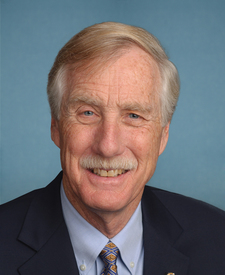
Legislative Progress
IntroducedMr. King introduced the following bill; which was read twice …
Summary
What This Bill Does
The WELL Seniors Act of 2025 expands Medicare's annual wellness visit to include comprehensive screening for social determinants of health like food insecurity, housing instability, transportation barriers, and fall risk. The bill also makes these wellness visits available via telehealth and allows physical therapists, occupational therapists, and pharmacists to conduct them for the first time. Providers who conduct comprehensive visits that include social determinants screening get a 10% payment bonus.
Who Benefits and How
Medicare beneficiaries gain access to more comprehensive preventive care at no additional cost, including screenings for fall risk and social needs like food security and transportation access. Low-income and rural seniors especially benefit from targeted outreach campaigns and the ability to receive these visits via telehealth rather than traveling to appointments.
Physical therapists, occupational therapists, and pharmacists receive new revenue opportunities by being authorized to furnish annual wellness visits under Medicare, with fall risk screening aligning particularly well with PT and OT expertise. Primary care physicians and other eligible providers receive a 10% payment bonus when they conduct comprehensive visits that include social determinants screening plus at least two other required elements.
Telehealth platforms and providers gain an expanded market as annual wellness visits become telehealth-eligible starting January 1, 2026. Community-based organizations providing social services may see increased referrals and demand as providers screen for and address food insecurity, housing instability, and transportation barriers.
Who Bears the Burden and How
The federal government and Medicare Trust Fund face increased spending from multiple sources: the 10% payment bonus for comprehensive visits, higher utilization from expanded provider eligibility, increased access from telehealth availability, and appropriations for national outreach campaigns targeting underserved populations.
The Centers for Medicare & Medicaid Services must complete significant administrative tasks within one year, including issuing regulatory guidance on post-visit follow-up procedures, conducting a national outreach campaign, performing comprehensive utilization studies, conducting stakeholder interviews, and implementing the new payment incentive system.
Healthcare providers serving low-income and rural populations face new documentation and screening requirements for social determinants of health and fall risk assessment, though the 10% bonus payment may offset this additional administrative burden.
Key Provisions
• Expands wellness visit screening to include nutrition, mobility, food security, housing security, transportation access, social support, and other social determinants of health as determined by the Secretary
• Adds new fall risk screening requirement through balance assessment with referral for treatment as appropriate
• Creates 10% payment incentive for comprehensive visits including social determinants screening plus at least 2 additional required elements, effective January 1, 2026
• Makes annual wellness visits telehealth-eligible for the first time starting January 1, 2026
• Authorizes physical therapists, occupational therapists, and pharmacists to furnish annual wellness visits under Medicare
• Requires CMS to conduct national outreach campaign within one year, with priority for low-income beneficiaries and those in rural or health professional shortage areas
• Requires CMS to analyze and publish utilization report within one year, including stakeholder interviews on billing concerns and effectiveness of referral models
• Authorizes appropriations for fiscal years 2026-2030 for outreach and education activities
Evidence Chain:
This summary is derived from the structured analysis below. See "Detailed Analysis" for per-title beneficiaries/burden bearers with clause-level evidence links.
Primary Purpose
Expands Medicare annual wellness visits to include social determinants of health screening, fall risk assessment, telehealth access, and allows additional providers to furnish visits
Policy Domains
Legislative Strategy
"Enhance preventive care access and quality for Medicare beneficiaries by addressing social determinants of health and expanding provider eligibility"
Likely Beneficiaries
- Medicare beneficiaries (especially low-income and rural)
- Physical therapists
- Occupational therapists
- Pharmacists
- Telehealth providers
- Primary care physicians
Likely Burden Bearers
- Federal government (increased Medicare spending)
- CMS (implementation and oversight burden)
Bill Structure & Actor Mappings
Who is "The Secretary" in each section?
- "the_secretary"
- → Secretary of Health and Human Services
- "the_administrator"
- → Administrator of the Centers for Medicare & Medicaid Services
Key Definitions
Terms defined in this bill
Services defined in Social Security Act section 1861(hhh)(1) relating to annual wellness visits
Screening for nutrition, mobility, food security, housing security, transportation access, social support, and other social determinants of health
Screening for balance to identify risk for falls and referral for treatment as appropriate
We use a combination of our own taxonomy and classification in addition to large language models to assess meaning and potential beneficiaries. High confidence means strong textual evidence. Always verify with the original bill text.
Learn more about our methodology