To strengthen and expand the Green Ribbon Schools Program at the Department of Education by boosting the capacity of participating States to expand the number of schools, applicants, and nominees engaged around environmental, environmental literacy, and environmental health goals, and for other purposes.
Analysis under review: This bill has generated analysis that may be too generic or incomplete. Clause-level evidence remains available below.
Summary
What This Bill Does
This bill, To strengthen and expand the Green Ribbon Schools Program at the Department of Education by boosting the capacity of participating States to expand the number of schools, applicants, and nominees engaged around environmental, environmental literacy, and environmental health goals, and for other purposes., changes federal law or congressional policy affecting schools, students, and education providers. The main policy domain is Education, Environment, Government Operations.
Who Benefits and How
schools, students, and education providers may benefit from new authority, funding, eligibility, regulatory clarity, or reduced risk created by the bill.
Who Bears the Burden and How
federal implementing agencies, schools, students, and education providers may take on implementation duties, reporting obligations, compliance costs, or oversight responsibilities.
Key Provisions
- Section idd93ec0a1e6464f2281b3e9ac52975987: 1. Short title This Act may be cited as the Green Ribbon Act of 2023.
- Section ida19e1489c09b45f69bd0c14e331a4f3c: 2. Green Ribbon Schools Program In this section: The terms elementary school, local educational agency, secondary school, Secretary, and State educational...
- Section id8E629042ADEA4E4D8DA4FFAFB70381A2: 3. Institute of Museum and Library Services Green Ribbon Award Program The purpose of this section is to develop and implement a Green Ribbon award program for...
- Section id4d10810b8563490a9c3710155aaabfda: 4. Office of School Infrastructure and Sustainability within the Office of the Secretary of Education There is established within the Office of the Secretary...
- Section id15cb822db6584dd18a2f6195f8b1fa2a: 5. Authorization of appropriations There is authorized to be appropriated to carry out this Act (except for section 4) $10,000,000 for fiscal year 2024 and...
Evidence Chain:
This summary is generated from the full bill text using AI analysis. Expand "Detailed Analysis" below for identified beneficiaries/burden bearers with clause-level evidence links.
At a Glance
What This Bill Does
This bill, To strengthen and expand the Green Ribbon Schools Program at the Department of Education by boosting the capacity of participating States to expand the number of schools, applicants, and nominees engaged around environmental, environmental literacy, and environmental health goals, and for other purposes., changes federal law or congressional policy affecting schools, students, and education providers.
Key Policy Areas
Education, Environment, Government Operations
Primary Purpose
This bill, To strengthen and expand the Green Ribbon Schools Program at the Department of Education by boosting the capacity of participating States to expand the number of schools, applicants, and nominees engaged around environmental, environmental literacy, and environmental health goals, and for other purposes., changes federal law or congressional policy affecting schools, students, and education providers.
Policy Domains
Whole bill
Identified Gains
- schools, students, and education providers
Identified Costs
- federal implementing agencies
- schools, students, and education providers
Sponsors
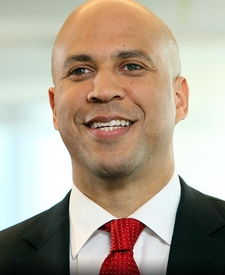
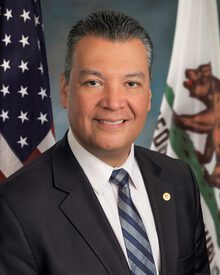
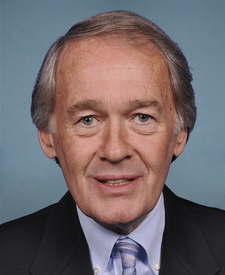
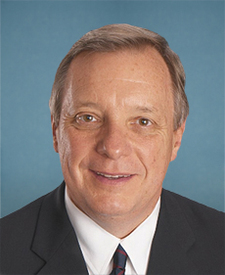
Legislative Progress
IntroducedMr. Booker (for himself, Mr. Durbin, Mr. Padilla, Mr. Markey, …
Impact analysis is available but no clear stakeholder effects identified. View clause-level analysis →
Bill Structure & Actor Mappings
Who is "The Secretary" in each section?
- "administrator_of_epa"
- → Administrator of the Environmental Protection Agency
- "secretary_of_education"
- → Secretary of Education
Key Definitions
Terms defined in this bill
the capacity to— perceive and interpret the relative health of environmental systems and the interrelationships between natural, economic, and social systems and technology
We use a combination of our own taxonomy and classification in addition to large language models to assess meaning and potential beneficiaries. High confidence means strong textual evidence. Always verify with the original bill text.
Learn more about our methodology