A Chance To Serve Act
Analysis under review: This bill has generated analysis that may be too generic or incomplete. Clause-level evidence remains available below.
Summary
What This Bill Does
The A Chance To Serve Act expands benefits and support for Peace Corps and AmeriCorps volunteers. It addresses recruitment, retention, and post-service transition by boosting compensation, healthcare, federal hiring pathways, loan forgiveness, and tax treatment of service-related income.
Who Benefits and How
Peace Corps and AmeriCorps volunteers benefit significantly: they gain non-competitive eligibility for federal jobs for 3 years after service, access to VA healthcare for 1 year post-service, living allowances set at 200% of the poverty line for AmeriCorps, and public service loan forgiveness. National service educational awards and living allowances become tax-free. Lawful permanent residents also gain eligibility to serve in the Peace Corps.
Who Bears the Burden and How
The federal government bears the primary fiscal burden through higher AmeriCorps living allowances, VA healthcare costs for former Peace Corps volunteers, forgone tax revenue from exempting service income, and expanded loan forgiveness obligations. The Department of Veterans Affairs must accommodate former Peace Corps volunteers at its facilities. Federal agencies must accept non-competitive appointments from former volunteers.
Key Provisions
- Grants Peace Corps and AmeriCorps volunteers 3-year non-competitive eligibility for federal civilian positions
- Provides former Peace Corps volunteers access to VA healthcare for one year after service
- Sets AmeriCorps living allowances at not less than 200% of the poverty line and mandates at least 500,000 national service positions
- Adds Peace Corps and AmeriCorps service to the Public Service Loan Forgiveness qualifying employment list
- Excludes national service educational awards and living allowances from federal gross income taxation
Evidence Chain:
This summary is generated from the full bill text using AI analysis. Expand "Detailed Analysis" below for identified beneficiaries/burden bearers with clause-level evidence links.
At a Glance
What This Bill Does
Expands benefits for Peace Corps and AmeriCorps volunteers including federal hiring eligibility, healthcare, living allowances, loan forgiveness, and tax exemptions.
Key Policy Areas
National Service, Federal Employment, Healthcare, Education, Taxation
Primary Purpose
Expands benefits for Peace Corps and AmeriCorps volunteers including federal hiring eligibility, healthcare, living allowances, loan forgiveness, and tax exemptions.
Policy Domains
Section 3 - AmeriCorps Benefits
Identified Gains
- AmeriCorps participants
- Corporation for National and Community Service
Identified Costs
- Federal agencies (must accept non-competitive hires)
- Federal budget (appropriations for expanded positions and pay)
Sections 1-2 - Peace Corps Benefits
Identified Gains
- Peace Corps volunteers
- Lawful permanent residents seeking to serve
- Refugees and asylees
Identified Costs
- Department of Veterans Affairs
- Federal budget (appropriations)
Sections 4-5 - Loan Forgiveness and Tax Exclusion
Identified Gains
- National service volunteers with student loans
- Peace Corps and AmeriCorps participants receiving stipends/awards
Identified Costs
- Federal Treasury (forgone tax revenue)
- Federal student loan program (additional forgiveness costs)
Sponsors
Legislative Progress
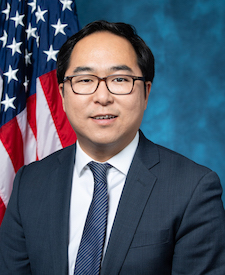
In CommitteeMr. Kim introduced the following bill; which was read twice …
Read twice and referred to the Committee on Finance.
Introduced in Senate
Stakeholder Effects
cui bono?How this legislation distributes effects. Mention counts reflect frequency, not effect magnitude.
Federal Treasury, Federal agencies (Executive branch), Federal agencies (civilian career services)
Positive-direction: Former Peace Corps volunteers, National service program participants
Negative-direction: Federal Treasury, Federal agencies (Executive branch), Federal agencies (civilian career services)
Department of Veterans Affairs medical facilities
Bill Structure & Actor Mappings
Who is "The Secretary" in each section?
- "the_director"
- → Director of the Peace Corps
- "the_secretary"
- → Secretary of Veterans Affairs
- "the_corporation"
- → Corporation for National and Community Service
Note: The Secretary in Section 2 and Section 1789A refers to the Secretary of Veterans Affairs (in the context of VA healthcare), not a cabinet secretary related to national service.
Key Definitions
Terms defined in this bill
As defined in section 673(2) of the Community Services Block Grant Act (42 U.S.C. 9902(2))
As defined in section 101 of the National and Community Service Act of 1990 (42 U.S.C. 12511)
We use a combination of our own taxonomy and classification in addition to large language models to assess meaning and potential beneficiaries. High confidence means strong textual evidence. Always verify with the original bill text.
Learn more about our methodology