To direct the Consumer Product Safety Commission to establish a pilot program to explore the use of artificial intelligence in support of the mission of the Commission and to direct the Secretary of Commerce and the Federal Trade Commission to study and report on the use of blockchain technology and tokens, respectively.
Analysis under review: This bill has generated analysis that may be too generic or incomplete. Clause-level evidence remains available below.
Summary
What This Bill Does
The bill mandates CPSC establish a 1-year pilot program using artificial intelligence for consumer product safety functions including injury tracking, hazard identification, recalled product marketplace monitoring, and import, requires Secretary of Commerce to complete a study within 1 year on uses of blockchain technology for consumer protection (fraud prevention), examining existing/emerging uses, commercial trends, public-private, and defines congressional findings validating tokens and blockchain technology as innovative, stating FTC responsibility for protecting consumers from unfair/deceptive token practices, and asserting FTC should ensure staff. It relies on reporting requirements, compliance mandates, procurement rules, and definition changes. The main policy areas are Blockchain and Cryptocurrency, Finance, Technology Regulation, and Technology.
Who Benefits and How
Consumer Product Safety Commission would be affected, Token and cryptocurrency companies would be affected, and Blockchain technology companies could gain revenue opportunities.
Who Bears the Burden and How
Federal Trade Commission would be affected, Department of Commerce would be affected, and Companies engaged in deceptive token practices would be affected.
Key Provisions
- Mandates CPSC establish a 1-year pilot program using artificial intelligence for consumer product safety functions including injury tracking, hazard identification, recalled product marketplace monitoring, and import...
- Requires Secretary of Commerce to complete a study within 1 year on uses of blockchain technology for consumer protection (fraud prevention), examining existing/emerging uses, commercial trends, public-private...
- Defines congressional findings validating tokens and blockchain technology as innovative, stating FTC responsibility for protecting consumers from unfair/deceptive token practices, and asserting FTC should ensure staff...
- Requires FTC to submit a public report within 1 year to congressional committees on: actions taken against unfair/deceptive token practices, other FTC efforts to prevent such practices, and recommendations...
Evidence Chain:
This summary is generated from the full bill text using AI analysis. Expand "Detailed Analysis" below for identified beneficiaries/burden bearers with clause-level evidence links.
At a Glance
What This Bill Does
The bill mandates CPSC establish a 1-year pilot program using artificial intelligence for consumer product safety functions including injury tracking, hazard identification, recalled product marketplace monitoring, and import, requires Secretary of Commerce to complete a study within 1 year on uses of blockchain technology for consumer protection (fraud prevention), examining existing/emerging uses, commercial trends, public-private, and defines congressional findings validating tokens and blockchain technology as innovative, stating FTC responsibility for protecting consumers from unfair/deceptive token practices, and asserting FTC should ensure staff.
Key Policy Areas
Blockchain and Cryptocurrency, Finance, Technology Regulation, Technology
Primary Purpose
The bill mandates CPSC establish a 1-year pilot program using artificial intelligence for consumer product safety functions including injury tracking, hazard identification, recalled product marketplace monitoring, and import, requires Secretary of Commerce to complete a study within 1 year on uses of blockchain technology for consumer protection (fraud prevention), examining existing/emerging uses, commercial trends, public-private, and defines congressional findings validating tokens and blockchain technology as innovative, stating FTC responsibility for protecting consumers from unfair/deceptive token practices, and asserting FTC should ensure staff.
Policy Domains
Whole bill
Identified Gains
- Consumer Product Safety Commission
- Token and cryptocurrency companies
- Blockchain technology companies
- AI and machine learning technology firms
- Consumers in token marketplace
Identified Costs
- Federal Trade Commission
- Department of Commerce
- Companies engaged in deceptive token practices
- Unscrupulous token operators
- Online retailers selling recalled products
Sponsors
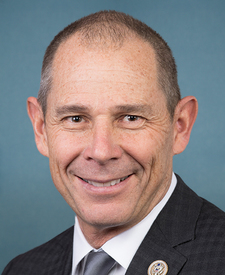

Legislative Progress
IntroducedMr. Curtis (for himself and Ms. Blunt Rochester) introduced the …
Stakeholder Effects
cui bono?How this legislation distributes effects. Mention counts reflect frequency, not effect magnitude.
Companies engaged in deceptive token practices, Token and cryptocurrency companies, Token marketplace participants
Positive-direction: Token and cryptocurrency companies, Token marketplace participants
Negative-direction: Companies engaged in deceptive token practices, Unscrupulous token operators
Consumer Product Safety Commission, Department of Commerce, Federal Trade Commission
Positive-direction: Consumer Product Safety Commission
Negative-direction: Department of Commerce, Federal Trade Commission
Consumers, Consumers in token marketplace, Consumers using tokens
AI and machine learning technology firms, Blockchain technology companies
Bill Structure & Actor Mappings
Who is "The Secretary" in each section?
We use a combination of our own taxonomy and classification in addition to large language models to assess meaning and potential beneficiaries. High confidence means strong textual evidence. Always verify with the original bill text.
Learn more about our methodology