Small Business Child Care Investment Act
Summary
What This Bill Does
The bill opens SBA 7(a) guaranteed lending to certain nonprofit child care providers. Eligible providers must be state-licensed, tax-exempt 501(c)(3) organizations primarily providing child care from birth to compulsory school age, satisfy applicable size standards, ensure employees and regular volunteers meet Child Care and Development Block Grant background-check requirements, and certify nondiscrimination in business practices. Providers may also serve school-age children outside school hours or school years and offer preschool or prekindergarten programs. Loans above $500,000 require a timely-payment guarantee from another person or entity, and SBA cannot make direct loans or immediate-participation loans under this authority.
Who Benefits and How
Nonprofit child care providers benefit because they can be treated as small business concerns for SBA 7(a) guaranteed loans and financing. Families seeking child care benefit if nonprofit providers can finance facility, capacity, or operational needs through SBA-backed credit. Banks benefit because covered loans must be made through deferred guaranteed participation rather than direct SBA lending. Certified development companies benefit from a new eligible borrower class for child-care-related financing. Preschool and prekindergarten programs run by nonprofit providers benefit when they fit within the covered-provider definition.
Who Bears the Burden and How
Nonprofit child care providers must meet state licensing, 501(c)(3), size-standard, background-check, child-care, and nondiscrimination certification requirements. Covered providers seeking loans above $500,000 must obtain a guarantee of timely payment from another person or entity. The Small Business Administration must administer eligibility while avoiding direct loans and immediate participation for this borrower class. Employees and regular volunteers must comply with federal child care background-check requirements. Participating lenders must structure financing through deferred guaranteed participation agreements.
Key Provisions
- Defines covered nonprofit child care provider using state licensing, 501(c)(3), child-care focus, size standards, background checks, and nondiscrimination certification.
- Deems covered nonprofit child care providers to be small business concerns for SBA 7(a) loans and financings.
- Requires covered loans to be made with banks, certified development companies, or other financial institutions on a deferred guaranteed basis.
- Prohibits SBA direct loans and immediate-participation financing under the child-care provider authority.
- Requires timely-payment guarantees for loans or financings above $500,000 while barring that guarantee requirement below the threshold.
Evidence Chain:
This summary is generated from the full bill text using AI analysis. Expand "Detailed Analysis" below for identified beneficiaries/burden bearers with clause-level evidence links.
At a Glance
What This Bill Does
Deems covered nonprofit child care providers to be small business concerns for SBA 7(a) loans and financings if they meet state licensing, 501(c)(3), size-standard, background-check, child-care, and nondiscrimination certification requirements, while barring SBA direct loans and immediate-participation financing for those providers.
Key Policy Areas
Small Business, Child Care
Primary Purpose
Deems covered nonprofit child care providers to be small business concerns for SBA 7(a) loans and financings if they meet state licensing, 501(c)(3), size-standard, background-check, child-care, and nondiscrimination certification requirements, while barring SBA direct loans and immediate-participation financing for those providers.
Policy Domains
Bill provisions
Identified Gains
- Nonprofit child care providers
- Families seeking child care
- Banks
- Certified development companies
- Preschool programs
Identified Costs
- Nonprofit child care providers
- Small Business Administration
- Employees
- Regular volunteers
- Participating lenders
Sponsors
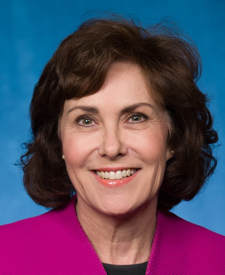
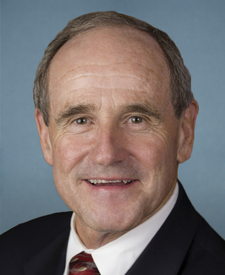

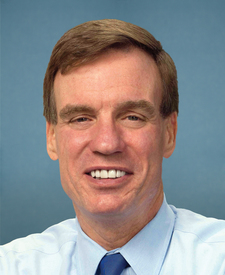
Legislative Progress
ReportedCommittee on Small Business and Entrepreneurship. Hearings held.
Placed on Senate Legislative Calendar under General Orders. Calendar No. …
Reported by Ms. Ernst, with an amendment
Committee on Small Business and Entrepreneurship. Reported by Senator Ernst …
Committee on Small Business and Entrepreneurship. Ordered to be reported …
Read twice and referred to the Committee on Small Business …
Introduced in Senate
Ms. Rosen (for herself, Ms. Ernst, Mr. Risch, and Mr. …
Stakeholder Effects
cui bono?How this legislation distributes effects. Mention counts reflect frequency, not effect magnitude.
Banks, Participating lenders
Positive-direction: Banks
Negative-direction: Participating lenders
Bill Structure & Actor Mappings
Who is "The Secretary" in each section?
- "administrator"
- → Small Business Administrator
We use a combination of our own taxonomy and classification in addition to large language models to assess meaning and potential beneficiaries. High confidence means strong textual evidence. Always verify with the original bill text.
Learn more about our methodology