Taiwan Energy Security and Anti-Embargo Act of 2026
Summary
What This Bill Does
The Taiwan Energy Security and Anti-Embargo Act treats Taiwan's dependence on imported energy as a strategic vulnerability. It adds a new Taiwan Enhanced Resilience Act part directing the Secretary of State, with Commerce and Energy, to promote U.S. LNG, crude oil, petroleum product, and refined petroleum product exports to Taiwan and to help Taiwan identify financing, infrastructure, and regulatory barriers. It requires a plan for energy-infrastructure resilience assistance, including technical support, training, and expertise for import terminals, storage, distributed generation, cybersecurity, emergency response, and other continuity tools. It separately calls for training to protect Taiwan's critical energy infrastructure, expresses congressional support for Taiwan reconsidering nuclear energy where consistent with safety and local law, creates Transportation Department insurance or reinsurance authority for vessels transporting vital goods to strategic partners when commercial coverage is unavailable because of a foreign blockade or embargo, and preserves the United States One China policy.
Who Benefits and How
Taiwan benefits because the bill gives U.S. diplomats, energy officials, and transportation officials explicit tools to reduce blockade and embargo risk to Taiwan's energy supply. Taiwan energy utilities benefit from resilience planning, training, and technical assistance for LNG terminals, storage, distributed generation, cybersecurity, and emergency response. U.S. LNG exporters benefit because the State Department, Commerce Department, and Energy Department may prioritize support for exports to Taiwan. U.S. crude oil exporters and refined petroleum exporters benefit from the same export-promotion mandate where their products can improve Taiwan's energy security. Vessel operators benefit from federal insurance or reinsurance authority when private war-risk or blockade-risk insurance is unavailable or inadequate. Maritime insurers benefit from a federal backstop structure that can share or replace commercial coverage for vital-good voyages to strategic partners.
Who Bears the Burden and How
The Secretary of State must coordinate the export-promotion, Taiwan energy-security, barrier-identification, resilience-assistance, training, and reporting work. The Department of Energy and Department of Commerce must support export facilitation, infrastructure analysis, technical assistance, and resilience planning. The Secretary of Transportation must administer any vessel insurance or reinsurance program for vital goods shipped to strategic partners during blockade or embargo conditions. Taiwan energy utilities and infrastructure operators must absorb training, cyber, storage, emergency-response, and terminal-hardening work to turn U.S. assistance into operational resilience. Congressional foreign-affairs committees receive annual implementation reports for three years and must judge whether the program is improving Taiwan's energy security. Foreign blockade planners face higher operational risk if U.S. energy supply, vessel insurance, and resilience support make embargo pressure less effective.
Key Provisions
- Adds U.S. export-promotion authority for LNG, crude oil, petroleum products, and refined petroleum products that support Taiwan's energy security.
- Requires a Taiwan energy-infrastructure resilience plan covering technical assistance, training, infrastructure expertise, storage, distributed generation, cybersecurity, and emergency response.
- Requires recurring reports to Congress on implementation and Taiwan's energy-security status.
- Adds critical-energy-infrastructure protection training for Taiwan.
- States congressional support for Taiwan's ability to evaluate nuclear energy as part of a safe and resilient energy mix.
- Authorizes Transportation Department insurance or reinsurance for vessels carrying vital goods to strategic partners when a foreign blockade or embargo makes commercial insurance unavailable or inadequate.
- Includes a One China policy rule of construction so the energy-security provisions do not alter U.S. diplomatic recognition policy.
Evidence Chain:
This summary is generated from the full bill text using AI analysis. Expand "Detailed Analysis" below for identified beneficiaries/burden bearers with clause-level evidence links.
At a Glance
What This Bill Does
Strengthens Taiwan energy security by directing U.S. support for energy exports, energy-infrastructure resilience, nuclear-energy cooperation, training for critical infrastructure protection, and federal insurance for vessels carrying vital goods to strategic partners during blockade or embargo conditions.
Key Policy Areas
Energy, Foreign Affairs, Maritime Transportation, National Security
Primary Purpose
Strengthens Taiwan energy security by directing U.S. support for energy exports, energy-infrastructure resilience, nuclear-energy cooperation, training for critical infrastructure protection, and federal insurance for vessels carrying vital goods to strategic partners during blockade or embargo conditions.
Policy Domains
Bill provisions
Identified Gains
- Taiwan
- Taiwan energy utilities
- U.S. LNG exporters
- U.S. crude oil exporters
- U.S. refined petroleum exporters
- Vessel operators
- Maritime insurers
Identified Costs
- Secretary of State
- Department of Energy
- Department of Commerce
- Secretary of Transportation
- Taiwan energy utilities
- Congressional foreign-affairs committees
- Foreign blockade planners
Sponsors

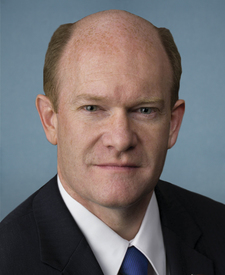
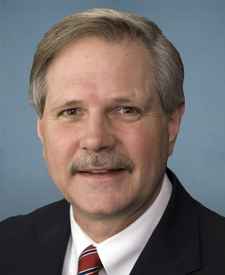


Legislative Progress
ReportedPlaced on Senate Legislative Calendar under General Orders. Calendar No. …
Committee on Foreign Relations. Reported by Senator Risch with an …
Reported by Mr. Risch, with an amendment
Committee on Foreign Relations. Ordered to be reported with an …
Mr. Ricketts (for himself and Mr. Coons) introduced the following …
Read twice and referred to the Committee on Foreign Relations.
Introduced in Senate
Mr. Ricketts (for himself, Mr. Coons, Mr. Budd, Mr. Hickenlooper, …
Stakeholder Effects
cui bono?How this legislation distributes effects. Mention counts reflect frequency, not effect magnitude.
Department of Commerce, Department of Energy, Foreign blockade planners
Positive-direction: Taiwan
Negative-direction: Department of Commerce, Department of Energy, Foreign blockade planners, Secretary of State, Secretary of Transportation
U.S. LNG exporters, U.S. crude oil exporters, U.S. refined petroleum exporters
Bill Structure & Actor Mappings
Who is "The Secretary" in each section?
- "secretary"
- → Secretary of State
- "secretary_of_energy"
- → Secretary of Energy
- "secretary_of_commerce"
- → Secretary of Commerce
- "secretary_of_transportation"
- → Secretary of Transportation
We use a combination of our own taxonomy and classification in addition to large language models to assess meaning and potential beneficiaries. High confidence means strong textual evidence. Always verify with the original bill text.
Learn more about our methodology