To improve protections for meatpacking workers, and for other purposes.
Analysis under review: This bill has generated analysis that may be too generic or incomplete. Clause-level evidence remains available below.
Summary
What This Bill Does
The Protecting Americas Meatpacking Workers Act strengthens workplace safety rules for meat and poultry processing facilities. It establishes new OSHA standards for ergonomics and injury prevention, restricts line speed increases that endanger workers, and creates stronger whistleblower protections. The bill also reforms livestock market practices to give independent farmers better access to fair prices.
Who Benefits and How
Meatpacking and poultry processing workers benefit from mandatory ergonomic programs, guaranteed bathroom breaks, new injury reporting requirements, and stronger protections against retaliation for reporting safety concerns. Independent livestock producers gain market access through requirements that large packers purchase at least 50% of livestock through spot markets with transparent pricing. Labor unions benefit from new requirements that meat processing grant recipients maintain labor peace agreements.
Who Bears the Burden and How
Large meatpacking companies face significant new compliance costs including mandatory ergonomic programs, restrictions on line speed increases, enhanced OSHA inspections, and potential lawsuits from workers for safety violations. Large meat packers (those operating multiple plants) must restructure procurement to buy more livestock on spot markets rather than through captive supply arrangements. Companies with no-fault attendance policies must revise them to protect legally-protected leave.
Key Provisions
- Prohibits USDA from approving line speed waivers unless OSHA certifies no adverse worker safety impact
- Requires covered packers to purchase at least 50% of livestock through spot market sales from independent producers
- Appropriates 60 million dollars annually (2024-2029) for additional OSHA inspectors
- Creates private right of action for workers to sue over OSHA violations
Evidence Chain:
This summary is generated from the full bill text using AI analysis. Expand "Detailed Analysis" below for identified beneficiaries/burden bearers.
At a Glance
What This Bill Does
Improves workplace safety protections for meatpacking and poultry processing workers through enhanced OSHA standards, new enforcement mechanisms, restrictions on line speed increases, and reforms to livestock market practices.
Key Policy Areas
Labor, Occupational Safety, Agriculture, Public Health
Primary Purpose
Improves workplace safety protections for meatpacking and poultry processing workers through enhanced OSHA standards, new enforcement mechanisms, restrictions on line speed increases, and reforms to livestock market practices.
Policy Domains
Title I - Worker Safety and Rights
Identified Gains
Contextual inference, no direct clause citation- Meatpacking workers
- Poultry processing workers
- Labor unions
- Worker advocacy organizations
Contextual inference, no direct clause citation
Identified Costs
Contextual inference, no direct clause citation- Meatpacking companies
- Poultry processing companies
Contextual inference, no direct clause citation
Title II - Fair and Competitive Livestock Markets
Identified Gains
Contextual inference, no direct clause citation- Independent livestock producers
- Cattle ranchers
- Hog farmers
- Small meat processors
Contextual inference, no direct clause citation
Identified Costs
Contextual inference, no direct clause citation- Large meat packers
- Vertically integrated meat companies
Contextual inference, no direct clause citation
Title III - Reports
Identified Gains
Contextual inference, no direct clause citation- Congress
- Policy researchers
- Vulnerable workers
Contextual inference, no direct clause citation
Identified Costs
Contextual inference, no direct clause citation- GAO
Contextual inference, no direct clause citation
Sponsors
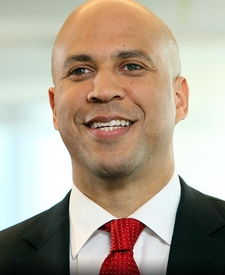
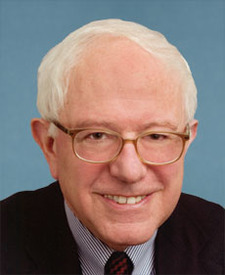
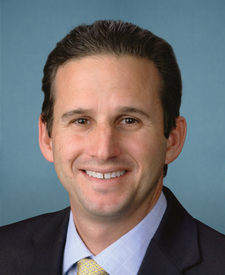


Legislative Progress
IntroducedMr. Booker (for himself, Mrs. Gillibrand, Mr. Blumenthal, Mr. Sanders, …
Stakeholder Effects
cui bono?How this legislation distributes effects. Mention counts reflect frequency, not effect magnitude.
Employers with 15 or more employees, Independent cattle ranchers, Independent hog farmers
Positive-direction: Independent cattle ranchers, Independent hog farmers, Independent livestock producers, Livestock producers, Meatpacking and poultry processing workers, Meatpacking workers, Vulnerable meatpacking workers
Negative-direction: Large meat packers, Large meat packers with multiple plants, Meat and poultry processing companies, Meat and poultry processing employers, Meat processing employers, Meatpacking and poultry employers, Small meat processors seeking grants, Vertically integrated meat companies
Congress, Department of Labor, GAO
OSHA faces effects in multiple directions
Positive-direction: Congress
Negative-direction: Department of Labor, GAO
Employment attorneys, Employment litigation attorneys
Bill Structure & Actor Mappings
Who is "The Secretary" in each section?
- "the_secretary"
- → Secretary of Labor
- "the_secretary"
- → Secretary of Agriculture
- "comptroller_general"
- → Comptroller General of the United States
Note: The Secretary refers to Secretary of Labor in Title I (worker safety) but Secretary of Agriculture in Title II (livestock markets)
Key Definitions
Terms defined in this bill
Employees under FLSA, GAO employees, state employees, congressional employees, and federal employees under FMLA
Covered employer with 15+ employees, public agencies, GAO, Library of Congress
Period from enactment until 90 days after COVID-19 emergency is lifted
Price term where purchase price is calculated based on a price not determined until after the forward price is established
A packer required to report livestock purchase information, excluding single-plant operations
Contract for livestock delivery more than 7 days after contract date
Purchase with firm base price, slaughter within 7 days, and competitive bidding opportunity
An official establishment subject to inspection under the Federal Meat Inspection Act or Poultry Products Inspection Act
We use a combination of our own taxonomy and classification in addition to large language models to assess meaning and potential beneficiaries. High confidence means strong textual evidence. Always verify with the original bill text.
Learn more about our methodology