Geriatrics Workforce Improvement Act
Analysis under review: This bill has generated analysis that may be too generic or incomplete. Clause-level evidence remains available below.
Summary
What This Bill Does
This bill reauthorizes federal funding for geriatrics education and training programs. It allocates $48.245 million per year for fiscal years 2026 through 2030 to support training healthcare workers who specialize in caring for elderly patients.
Who Benefits and How
Medical schools, nursing programs, and healthcare training institutions benefit through continued federal grant funding for geriatrics programs. Healthcare workers seeking geriatrics specialization benefit from educational opportunities. The elderly population benefits from an expanded workforce trained in their care needs.
Who Bears the Burden and How
Federal taxpayers fund the $241+ million appropriation over five years. There are no new compliance requirements or restrictions imposed on any parties.
Key Provisions
- Authorizes $48,245,000 annually for geriatrics education and training
- Extends authorization for five fiscal years (2026-2030)
- Amends Section 753(d) of the Public Health Service Act
Evidence Chain:
This summary is generated from the full bill text using AI analysis. Expand "Detailed Analysis" below for identified beneficiaries/burden bearers with clause-level evidence links.
At a Glance
What This Bill Does
Reauthorizes and funds geriatrics education and training programs under the Public Health Service Act at $48.245 million annually for fiscal years 2026-2030
Key Policy Areas
Healthcare, Education, Workforce Development
Primary Purpose
Reauthorizes and funds geriatrics education and training programs under the Public Health Service Act at $48.245 million annually for fiscal years 2026-2030
Policy Domains
Geriatrics Workforce Improvement Act
Identified Gains
- Medical education institutions
- Healthcare training programs
- Geriatrics specialists
- Elderly patients
Identified Costs
- Federal taxpayers
Sponsors
Legislative Progress
In CommitteeCommittee on Health, Education, Labor, and Pensions. Hearings held.
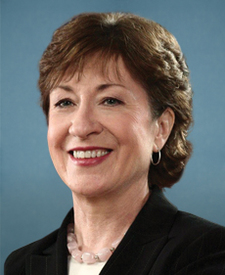
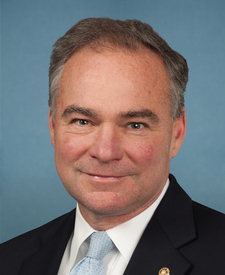
Ms. Collins (for herself and Mr. Kaine) introduced the following …
Read twice and referred to the Committee on Health, Education, …
Introduced in Senate
Stakeholder Effects
cui bono?How this legislation distributes effects. Mention counts reflect frequency, not effect magnitude.
Geriatrics education and training programs, Medical schools and healthcare training institutions
Healthcare workers seeking geriatrics specialization
Bill Structure & Actor Mappings
Who is "The Secretary" in each section?
We use a combination of our own taxonomy and classification in addition to large language models to assess meaning and potential beneficiaries. High confidence means strong textual evidence. Always verify with the original bill text.
Learn more about our methodology