Ending Improper Payments to Deceased People Act
Summary
What This Bill Does
This bill requires the Social Security Administration to share death records with the federal Do Not Pay system, which federal agencies use to screen payments. It also requires a clear and convincing evidence standard before recording someone as deceased, and mandates that SSA notify partner agencies when death record errors are found. The changes take effect on December 27, 2026.
Who Benefits and How
Federal agencies benefit from improved access to death data, reducing billions of dollars in improper payments to deceased individuals. Living individuals who might be erroneously recorded as dead gain protection through the new evidentiary standard. Federal taxpayers benefit from reduced waste in government payment programs.
Who Bears the Burden and How
The Social Security Administration faces increased compliance requirements to share data, maintain cooperative arrangements, establish cost-sharing agreements, and notify agencies of errors. The Do Not Pay system operator must enter into cost-sharing agreements for State death data and implement new error notification procedures.
Key Provisions
- Requires SSA to share death data with the Do Not Pay working system
- Mandates cost-sharing agreements for State death data between SSA and the Do Not Pay system
- Establishes clear and convincing evidence standard before recording deaths
- Requires SSA to notify partner agencies of death record errors
- Effective date: December 27, 2026.
Evidence Chain:
This summary is generated from the full bill text using AI analysis. Expand "Detailed Analysis" below for identified beneficiaries/burden bearers with clause-level evidence links.
At a Glance
What This Bill Does
Improves coordination between the Social Security Administration and the federal Do Not Pay working system to prevent improper payments to deceased individuals, while adding safeguards against erroneously recording living people as dead.
Key Policy Areas
Government Administration, Social Security, Fraud Prevention
Primary Purpose
Improves coordination between the Social Security Administration and the federal Do Not Pay working system to prevent improper payments to deceased individuals, while adding safeguards against erroneously recording living people as dead.
Policy Domains
Whole Bill - Improving Death Data Coordination
Identified Gains
- Federal agencies making payments
- Living individuals at risk of erroneous death recording
- Federal taxpayers
- Do Not Pay system operator
Identified Costs
- Social Security Administration
- Do Not Pay system operator
- State vital records agencies
Sponsors


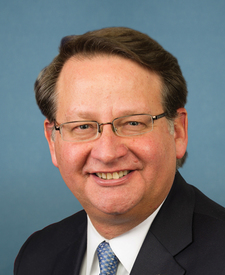

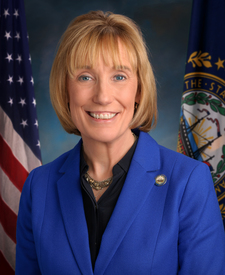
Legislative Progress
Signed into LawBecame Public Law No: 119-77.
Signed by President.
Presented to President.
Motion to reconsider laid on the table Agreed to without …
On motion to suspend the rules and pass the bill …
Passed/agreed to in House: On motion to suspend the rules …
DEBATE - The House proceeded with forty minutes of debate …
Considered under suspension of the rules. (consideration: CR H634-637)
Mr. Smith (MO) moved to suspend the rules and pass …
Held at the desk.
Stakeholder Effects
cui bono?How this legislation distributes effects. Mention counts reflect frequency, not effect magnitude.
Do Not Pay system operator, Federal agencies making payments, Social Security Administration
Do Not Pay system operator faces effects in multiple directions
Positive-direction: Federal agencies making payments
Negative-direction: Social Security Administration
Living individuals at risk of erroneous death recording, Taxpayers
Bill Structure & Actor Mappings
Who is "The Secretary" in each section?
- "the_commissioner"
- → Commissioner of Social Security
Key Definitions
Terms defined in this bill
The system described in section 3354(c) of title 31, United States Code, used to prevent improper payments
We use a combination of our own taxonomy and classification in addition to large language models to assess meaning and potential beneficiaries. High confidence means strong textual evidence. Always verify with the original bill text.
Learn more about our methodology