United States - Taiwan Partnership in the Americas Act
Summary
What This Bill Does
The bill sets U.S. policy to support Taiwan's diplomatic partners in Latin America and the Caribbean, counter PRC pressure to sever Taiwan ties, and deepen Taiwan coordination in the Western Hemisphere. It requires the Secretary of State to track PRC infrastructure and development projects in countries that recognize Taiwan, identify strategic or non-transparent financing risks, coordinate U.S. diplomatic or technical responses, share information with Congress and allies, submit semiannual and annual reports on governments breaking Taiwan ties and PRC pressure tactics, expand joint programming and embassy-representative office coordination, brief Congress on U.S. support against malign influence operations, and brief Congress on Taiwan Strait deterrence and conflict readiness.
Who Benefits and How
Taiwan benefits because the bill commits U.S. policy and reporting to supporting its Latin American and Caribbean diplomatic partners. Latin American governments recognizing Taiwan benefit from U.S. diplomatic and technical support against PRC pressure and opaque development deals. Caribbean governments recognizing Taiwan benefit from monitoring of PRC infrastructure projects and shared information with U.S. allies. Taiwanese officials benefit from U.S. assistance on malign influence operations, cyber intrusions, election interference, and propaganda exposure. United States embassies benefit from explicit direction to coordinate with Taiwan representative offices in the region. Congressional foreign affairs committees benefit from semiannual reports, annual reports, 30-day action plans, and deterrence briefings.
Who Bears the Burden and How
The Secretary of State must create monitoring mechanisms, submit semiannual and annual reports, and provide multiple briefings. State Department regional bureaus must coordinate diplomatic, technical, public-diplomacy, and joint-programming responses with allies and Taiwan offices. PRC state-backed project sponsors face U.S. monitoring and responses when projects involve strategic risks or non-transparent financing. PRC influence operators face U.S. and partner scrutiny over propaganda, cyber intrusions, economic coercion, and election interference. Relevant federal agencies must coordinate on briefings about Taiwan malign influence operations and Taiwan Strait deterrence.
Key Provisions
- Establishes U.S. policy to support Latin American and Caribbean countries that maintain diplomatic relations with Taiwan and counter PRC coercion.
- Requires a State Department mechanism to track and respond to risky PRC infrastructure and development projects in Taiwan-recognizing countries.
- Requires semiannual status reports, 30-day support plans, and five years of annual reporting on PRC goals, investments, pressure tactics, and State Department actions.
- Directs expanded Taiwan-Americas strategic coordination through joint programming, public diplomacy, embassy coordination, and Taiwan representative offices.
- Requires briefings on U.S. support for Taiwan's response to malign influence operations and on Taiwan Strait deterrence and conflict readiness.
Evidence Chain:
This summary is generated from the full bill text using AI analysis. Expand "Detailed Analysis" below for identified beneficiaries/burden bearers with clause-level evidence links.
At a Glance
What This Bill Does
Requires State Department monitoring, reporting, briefings, and strategic coordination to support Latin American and Caribbean countries that maintain diplomatic relations with Taiwan and to counter PRC coercion, opaque infrastructure financing, malign influence operations, cyber intrusions, and military pressure in the Taiwan Strait.
Key Policy Areas
Foreign Affairs, National Security
Primary Purpose
Requires State Department monitoring, reporting, briefings, and strategic coordination to support Latin American and Caribbean countries that maintain diplomatic relations with Taiwan and to counter PRC coercion, opaque infrastructure financing, malign influence operations, cyber intrusions, and military pressure in the Taiwan Strait.
Policy Domains
Bill provisions
Identified Gains
- Taiwan
- Latin American governments recognizing Taiwan
- Caribbean governments recognizing Taiwan
- Taiwanese officials
- United States embassies
- Congressional foreign affairs committees
Identified Costs
- Secretary of State
- State Department regional bureaus
- PRC state-backed project sponsors
- PRC influence operators
- Relevant federal agencies
Sponsors
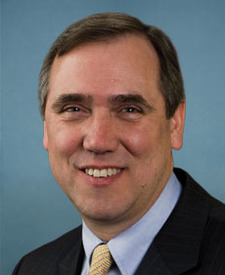

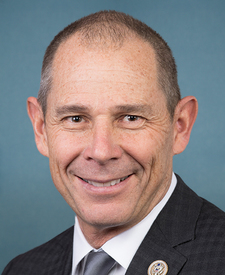

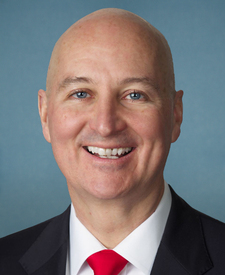
Legislative Progress
ReportedReported by Mr. Risch, with an amendment
Placed on Senate Legislative Calendar under General Orders. Calendar No. …
Committee on Foreign Relations. Reported by Senator Risch with an …
Committee on Foreign Relations. Ordered to be reported with an …
Introduced in Senate
Mr. Merkley (for himself, Mr. Curtis, Mr. Kaine, and Mr. …
Read twice and referred to the Committee on Foreign Relations.
Mr. Merkley (for himself, Mr. Curtis, Mr. Kaine, Mr. Ricketts, …
Stakeholder Effects
cui bono?How this legislation distributes effects. Mention counts reflect frequency, not effect magnitude.
Caribbean governments recognizing Taiwan, Latin American governments recognizing Taiwan, PRC state-backed project sponsors
Positive-direction: Caribbean governments recognizing Taiwan, Latin American governments recognizing Taiwan, Taiwan
Negative-direction: PRC state-backed project sponsors
Secretary of State, State Department regional bureaus
Bill Structure & Actor Mappings
Who is "The Secretary" in each section?
- "secretary"
- → Secretary of State
We use a combination of our own taxonomy and classification in addition to large language models to assess meaning and potential beneficiaries. High confidence means strong textual evidence. Always verify with the original bill text.
Learn more about our methodology