To reauthorize the Global Fragility Act of 2019, and for other purposes.
Analysis under review: This bill has generated analysis that may be too generic or incomplete. Clause-level evidence remains available below.
Summary
This bill reauthorizes the Global Fragility Act of 2019, extending the Prevention and Stabilization Fund and Complex Crises Fund through 2030. It allows the President to select additional priority countries for conflict prevention, while discontinuing programs in Haiti and Libya. Annual senior-level steering committee meetings are required to align diplomatic, development, and defense activities with the strategy. The Secretary of Defense must fully implement defense-related goals, and the DFC must set investment targets in fragile countries. The State Department Counselor leads implementation with dedicated regional staff. The bill also authorizes Economic Support Fund spending for monitoring and evaluation, and requires a study on applying fragility principles to broader foreign policy.
Evidence Chain:
This summary is generated from the full bill text using AI analysis. Expand "Detailed Analysis" below for identified beneficiaries/burden bearers.
At a Glance
What This Bill Does
Reauthorize and strengthen the Global Fragility Act of 2019, extending the Prevention and Stabilization Fund and Complex Crises Fund through 2030, adding new priority country selection mechanisms, requiring annual policy alignment meetings, expanding implementation authority, and mandating staffing and resources for conflict prevention.
Who Benefits
- State Department conflict prevention programs
- U.S. Development Finance Corporation
- Millennium Challenge Corporation
Who Bears Costs
- Haiti and Libya (losing priority country status)
- Federal agencies required to increase staffing for implementation
Key Policy Areas
Foreign Policy, International Development, National Security
Primary Purpose
Reauthorize and strengthen the Global Fragility Act of 2019, extending the Prevention and Stabilization Fund and Complex Crises Fund through 2030, adding new priority country selection mechanisms, requiring annual policy alignment meetings, expanding implementation authority, and mandating staffing and resources for conflict prevention.
Policy Domains
Legislative Strategy
"Extend and institutionalize the Global Fragility Act framework by reauthorizing funding through 2030, adding structured accountability (annual steering committee meetings, congressional reporting), expanding the DFC and MCC roles, and directing specific country-level decisions (discontinue Haiti and Libya, continue Coastal West Africa, Mozambique, Papua New Guinea)."
Sponsors
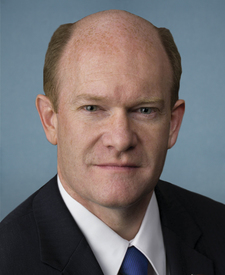
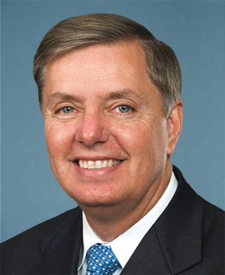
Legislative Progress
IntroducedMr. Coons (for himself and Mr. Graham) introduced the following …
Stakeholder Effects
cui bono?How this legislation distributes effects. Mention counts reflect frequency, not effect magnitude.
Coastal West Africa, Mozambique, Papua New Guinea, Complex crisis response programs, Countries eligible for Global Fragility Strategy designation
Positive-direction: Coastal West Africa, Mozambique, Papua New Guinea, Complex crisis response programs, Countries eligible for Global Fragility Strategy designation, Fragile countries eligible for expanded U.S. programming, Global Fragility Strategy monitoring and evaluation programs, International development contractors and NGOs, Priority countries receiving coordinated U.S. assistance
Negative-direction: Countries that lose priority status (no longer fragile or non-compliant), Haiti and Libya
Department of State, Department of State leadership, Federal agencies involved in conflict prevention
Bill Structure & Actor Mappings
Who is "The Secretary" in each section?
- "the_president"
- → President of the United States
- "the_secretary_of_state"
- → Secretary of State
- "the_counselor"
- → Counselor of the Department of State
- "the_counselor"
- → Counselor of the Department of State
- "the_secretary_of_defense"
- → Secretary of Defense
- "the_president"
- → President
- "the_secretary_of_state"
- → Secretary of State
- "the_secretary_of_defense"
- → Secretary of Defense
Key Definitions
Terms defined in this bill
A country selected by the President based on fragility indicators for focused U.S. conflict prevention and stabilization efforts
A dedicated fund for Global Fragility Strategy implementation activities
A fund for responding to complex crises in fragile states
We use a combination of our own taxonomy and classification in addition to large language models to assess meaning and potential beneficiaries. High confidence means strong textual evidence. Always verify with the original bill text.
Learn more about our methodology