S2677-119

Passed Senate

A bill to expand the sharing of information with respect to suspected violations of intellectual property rights in trade.

119th Congress Introduced Aug 1, 2025

Summary

What This Bill Does

This bill broadens information sharing under section 628A of the Tariff Act when U.S. Customs and Border Protection has a reasonable suspicion that imported merchandise violates intellectual-property rights. It changes the triggering language from simply what CBP “suspects” to a “reasonable suspicion” standard. CBP's sharing authority would cover images not only of merchandise, packaging, and labels, but also packing materials and containers.

CBP may provide an interested rights holder or other authorized recipient with nonpublic information about the goods that originated with an online marketplace, similar market platform, express consignment operator, freight forwarder, or another entity involved in selling, importing, or facilitating the goods. When CBP transmits that nonpublic information, it must notify the recipient about the information transmitted under regulations prescribed by the Secretary. The Commissioner may also determine that another party with an interest in the merchandise is an appropriate participant in the information-sharing process.

The engrossed text replaces the introduced wording, removes the narrower reference to “shipping containers,” uses the broader term “containers,” clarifies the covered sale-and-import facilitation chain, and adds the mandatory notification step. The bill facilitates investigation and authentication; it does not itself adjudicate infringement, impose a tariff, seize goods, or create a private damages action.

Who Benefits and How

Trademark and copyright owners benefit from access to more images and supply-chain information when evaluating suspected counterfeit or infringing imports. CBP intellectual-property enforcement officers benefit from broader collaboration with knowledgeable interested parties. Legitimate manufacturers and importers may benefit when infringing goods can be identified more accurately. Consumers benefit from reduced risk of counterfeit products entering commerce. Online marketplaces and logistics firms may benefit from clearer channels for resolving suspicious shipments, even though their data may be disclosed.

Who Bears the Burden and How

CBP officers must apply the reasonable-suspicion standard, manage sensitive information, identify appropriate recipients, and provide required notifications. The Homeland Security Secretary must prescribe notification regulations. Online marketplaces, express carriers, freight forwarders, and other trade intermediaries face greater confidentiality and commercial risk because information they generate may be shared. Importers and sellers of suspected merchandise face expanded scrutiny and potential disclosure of shipment details. Rights holders and other recipients must handle nonpublic information responsibly under the governing customs process.

Key Provisions

  • Clarifies that CBP information sharing begins when the agency has a reasonable suspicion of an intellectual-property violation.
  • Expands shared images to include packing materials and containers.
  • Authorizes sharing of nonpublic information generated by marketplaces, carriers, freight forwarders, and other sale or import facilitators.
  • Requires notice to the recipient when CBP transmits covered nonpublic information.
  • Allows the Commissioner to include another party with an appropriate interest in the merchandise.

Evidence Chain:

This summary is generated from the full bill text using AI analysis. Expand "Detailed Analysis" below for identified beneficiaries/burden bearers with clause-level evidence links.

At a Glance

What This Bill Does

Expands Customs and Border Protection authority to share images and nonpublic supply-chain information when it reasonably suspects imported merchandise violates intellectual-property rights, while requiring notice when such nonpublic information is transmitted.

Key Policy Areas

Customs Enforcement, Intellectual Property, International Trade

Primary Purpose

Expands Customs and Border Protection authority to share images and nonpublic supply-chain information when it reasonably suspects imported merchandise violates intellectual-property rights, while requiring notice when such nonpublic information is transmitted.

Policy Domains

Customs Enforcement Intellectual Property International Trade

CBP information sharing for suspected IP violations

Identified Gains
  • Trademark owners evaluating suspicious imports
  • Copyright owners evaluating suspicious imports
  • CBP intellectual-property enforcement officers
  • Legitimate manufacturers competing with counterfeit goods
  • Legitimate importers
  • Consumers exposed to counterfeit products
Model: codex-gpt-5 | Version: bill_summary_v2 | Source: es
Legitimate importers: ,
Consumers exposed to counterfeit products: ,
CBP intellectual-property enforcement officers: ,
Copyright owners evaluating suspicious imports: ,
Trademark owners evaluating suspicious imports: ,
Legitimate manufacturers competing with counterfeit goods: ,
Identified Costs
  • CBP officers handling nonpublic information
  • Department of Homeland Security rulemaking staff
  • Online marketplaces generating shipment information
  • Express consignment operators
  • Freight forwarders
  • Importers of merchandise under suspicion
  • Sellers of merchandise under suspicion
Model: codex-gpt-5 | Version: bill_summary_v2 | Source: es
Freight forwarders: ,
Express consignment operators: ,
Sellers of merchandise under suspicion: ,
Importers of merchandise under suspicion: ,
CBP officers handling nonpublic information: ,
Department of Homeland Security rulemaking staff: ,
Online marketplaces generating shipment information: ,

Legislative Progress

Passed Senate
Introduced Committee Passed
Aug 10, 2026

Held at the desk.

Aug 10, 2026

Received in the House.

Aug 10, 2026

Message on Senate action sent to the House.

Aug 7, 2026

Passed Senate with an amendment by Unanimous Consent. (text of …

Aug 7, 2026

Passed/agreed to in Senate: Passed Senate with an amendment by …

Aug 7, 2026

Measure laid before Senate by unanimous consent. (consideration: CR S4551)

Aug 7, 2026

Senate Committee on Finance discharged by Unanimous Consent.

Aug 1, 2025

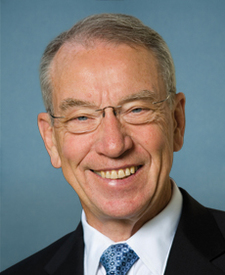
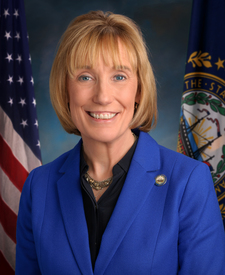
Mr. Grassley (for himself and Ms. Hassan) introduced the following …

Aug 1, 2025

Read twice and referred to the Committee on Finance.

Aug 1, 2025

Introduced in Senate

Stakeholder Effects

cui bono?

How this legislation distributes effects. Mention counts reflect frequency, not effect magnitude.

Government
4 mentions across 3 clauses
+2 positive -2 negative

CBP intellectual-property enforcement officers, CBP officers handling nonpublic information, Department of Homeland Security rulemaking staff

Positive-direction: CBP intellectual-property enforcement officers

Negative-direction: CBP officers handling nonpublic information, Department of Homeland Security rulemaking staff

Business
3 mentions across 3 clauses
+2 positive -1 negative

Intellectual-property owners reviewing suspected merchandise, Trademark owners evaluating suspicious imports, Trademark owners relying on the introduced sharing language

Positive-direction: Intellectual-property owners reviewing suspected merchandise, Trademark owners evaluating suspicious imports

Negative-direction: Trademark owners relying on the introduced sharing language

Transportation
3 mentions across 2 clauses
-3 negative

Express consignment operators, Freight forwarders, Importers of merchandise under suspicion

Technology
2 mentions across 2 clauses
+1 positive -1 negative

Online marketplaces covered by the introduced language, Online marketplaces generating shipment information

Positive-direction: Online marketplaces covered by the introduced language

Negative-direction: Online marketplaces generating shipment information

General Public
1 mention across 1 clause
+1 positive

Consumers exposed to counterfeit products

1/1
sections analyzed
Full impact breakdown

Bill Structure & Actor Mappings

Who is "The Secretary" in each section?

Domains
Customs Enforcement Intellectual Property International Trade
Actor Mappings
"cbp"
→ U.S. Customs and Border Protection
"secretary"
→ Secretary of Homeland Security
"commissioner"
→ Commissioner of U.S. Customs and Border Protection
"marketplaces"
→ Online marketplaces and similar market platforms
"rights_holder"
→ Person with an intellectual-property interest in the merchandise
"logistics_entities"
→ Express consignment operators and freight forwarders

Key Definitions

Terms defined in this bill

1 term
"covered nonpublic information" §1

Information about merchandise generated by a marketplace, logistics operator, freight forwarder, or another sale or import facilitator and provided to, shared with, or obtained by CBP.

We use a combination of our own taxonomy and classification in addition to large language models to assess meaning and potential beneficiaries. High confidence means strong textual evidence. Always verify with the original bill text.

Learn more about our methodology