To prohibit the suspension of collections on loans made to small businesses related to COVID–19, and for other purposes.
Analysis under review: This bill has generated analysis that may be too generic or incomplete. Clause-level evidence remains available below.
Summary
What This Bill Does
This bill, To prohibit the suspension of collections on loans made to small businesses related to COVID–19, and for other purposes., changes federal law or congressional policy affecting federal agencies and legislative administrators. The main policy domain is Government Operations, Finance, Criminal Justice.
Who Benefits and How
federal agencies and legislative administrators may benefit from new authority, funding, eligibility, regulatory clarity, or reduced risk created by the bill.
Who Bears the Burden and How
federal implementing agencies may take on implementation duties, reporting obligations, compliance costs, or oversight responsibilities.
Key Provisions
- Section S1: 1. Short title This Act may be cited as the Strengthening Taxpayer Recoveries Act.
- Section id8f4d98b8f3da4731bab558c3593dd08b: 2. Definitions In this Act: The terms Administration and Administrator mean the Small Business Administration and the Administrator thereof, respectively. The...
- Section id5fc8c10e8d244bab95436e8a2197a481: 3. Special Inspector General for Pandemic Recovery Section 4018 of the CARES Act (15 U.S.C. 9053) is amended— in subsection (c)(1), in the matter preceding...
- Section id4673ddcccdab413cab922e512c782bbb: 4. Fraud enforcement harmonization Section 4003 of the CARES Act (15 U.S.C. 9042) is amended by adding at the end the following: (i)Fraud enforcement...
- Section idbec55ff2022a4642a2ce61e81a828502: 5. Prohibition on suspending collections on SBA loans related to COVID–19 The Administrator shall refer to the Department of the Treasury any claim for...
Evidence Chain:
This summary is generated from the full bill text using AI analysis. Expand "Detailed Analysis" below for identified beneficiaries/burden bearers with clause-level evidence links.
At a Glance
What This Bill Does
This bill, To prohibit the suspension of collections on loans made to small businesses related to COVID–19, and for other purposes., changes federal law or congressional policy affecting federal agencies and legislative administrators.
Key Policy Areas
Government Operations, Finance, Criminal Justice
Primary Purpose
This bill, To prohibit the suspension of collections on loans made to small businesses related to COVID–19, and for other purposes., changes federal law or congressional policy affecting federal agencies and legislative administrators.
Policy Domains
Whole bill
Identified Gains
- federal agencies and legislative administrators
Identified Costs
- federal implementing agencies
Sponsors

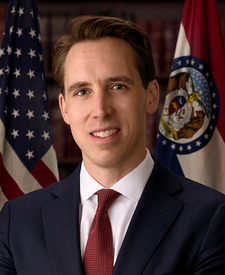
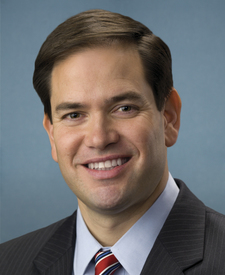
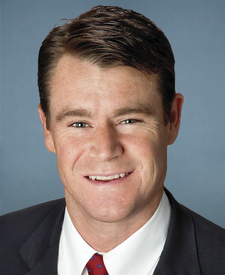
Legislative Progress
IntroducedMs. Ernst (for herself, Mr. Hawley, Mr. Rubio, and Mr. …
Impact analysis is available but no clear stakeholder effects identified. View clause-level analysis →
Bill Structure & Actor Mappings
Who is "The Secretary" in each section?
- "administrator_of_sba"
- → Administrator of the Small Business Administration
- "secretary_of_treasury"
- → Secretary of the Treasury
Key Definitions
Terms defined in this bill
amounts made available for COVID–19 relief under— the Coronavirus Preparedness and Response Supplemental Appropriations Act, 2020 (Public Law 116–123
We use a combination of our own taxonomy and classification in addition to large language models to assess meaning and potential beneficiaries. High confidence means strong textual evidence. Always verify with the original bill text.
Learn more about our methodology