To authorize the Secretary of Health and Human Services to build safer, thriving communities, and save lives, by investing in effective community-based violence reduction initiatives, and for other purposes.
Analysis under review: This bill has generated analysis that may be too generic or incomplete. Clause-level evidence remains available below.
Summary
What This Bill Does
This bill, To authorize the Secretary of Health and Human Services to build safer, thriving communities, and save lives, by investing in effective community-based violence reduction initiatives, and for other purposes., changes federal law or congressional policy affecting workers, employers, and labor regulators. The main policy domain is Labor, Government Operations, Healthcare.
Who Benefits and How
workers, employers, and labor regulators may benefit from new authority, funding, eligibility, regulatory clarity, or reduced risk created by the bill.
Who Bears the Burden and How
federal implementing agencies, workers, employers, and labor regulators may take on implementation duties, reporting obligations, compliance costs, or oversight responsibilities.
Key Provisions
- Section H6B12F31B32194A32994B432EE5DEB005: 1. Short title; table of contents This Act may be cited as the Break the Cycle of Violence Act. The table of contents of this Act is as follows:
- Section H7A827AAE49934939803F42E36A519AC8: 2. Findings Congress finds the following: Community violence is a significant public health, public safety, and community infrastructure concern nationwide,...
- Section HF947A7046D4E415BA39AD1F0EA3E1FB4: 3. Definitions In this Act: The term community violence— means nonfatal firearm injuries, aggravated assaults, homicides, and other acts of life-threatening...
- Section HF3C04A3B8DD14EF9A9C5EC32910C138F: 101. Community-based violence intervention program grants The Secretary of Health and Human Services (in this title referred to as the Secretary) shall award...
- Section HAD259BED64DE4640BF0FB05447E8F2BC: 102. Office of Community Violence Intervention The Secretary shall establish within the Department of Health and Human Services, the Office of Community...
Evidence Chain:
This summary is generated from the full bill text using AI analysis. Expand "Detailed Analysis" below for identified beneficiaries/burden bearers with clause-level evidence links.
At a Glance
What This Bill Does
This bill, To authorize the Secretary of Health and Human Services to build safer, thriving communities, and save lives, by investing in effective community-based violence reduction initiatives, and for other purposes., changes federal law or congressional policy affecting workers, employers, and labor regulators.
Key Policy Areas
Labor, Government Operations, Healthcare
Primary Purpose
This bill, To authorize the Secretary of Health and Human Services to build safer, thriving communities, and save lives, by investing in effective community-based violence reduction initiatives, and for other purposes., changes federal law or congressional policy affecting workers, employers, and labor regulators.
Policy Domains
Whole bill
Identified Gains
- workers, employers, and labor regulators
Identified Costs
- federal implementing agencies
- workers, employers, and labor regulators
Sponsors
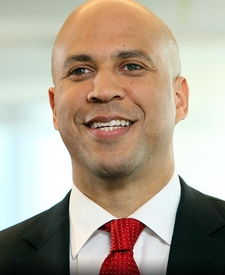
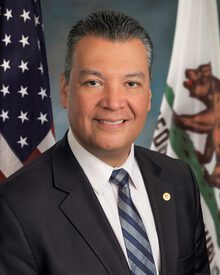


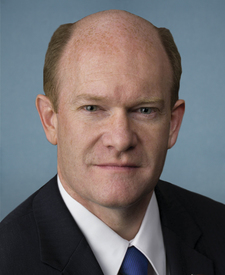
Legislative Progress
IntroducedMr. Booker (for himself, Mr. Casey, Mr. Welch, Mr. Markey, …
Impact analysis is available but no clear stakeholder effects identified. View clause-level analysis →
Bill Structure & Actor Mappings
Who is "The Secretary" in each section?
- "secretary_of_labor"
- → Secretary of Labor
- "secretary_of_health_and_human_services"
- → Secretary of Health and Human Services
Key Definitions
Terms defined in this bill
an individual who— is a youth and has English reading, writing, or computing skills at or below the 8th grade level on a generally accepted standardized test
individuals who— have attained 16 years of age but not yet attained 25 years of age
We use a combination of our own taxonomy and classification in addition to large language models to assess meaning and potential beneficiaries. High confidence means strong textual evidence. Always verify with the original bill text.
Learn more about our methodology