To establish the Chesapeake National Recreation Area as a unit of the National Park System, and for other purposes.
Analysis under review: This bill has generated analysis that may be too generic or incomplete. Clause-level evidence remains available below.
Summary
What This Bill Does
This bill creates the Chesapeake National Recreation Area, a new unit of the National Park System spanning Maryland and Virginia. The Recreation Area will preserve and provide public access to the natural, cultural, historic, and recreational resources of the Chesapeake Bay region. It also enhances the existing Chesapeake Bay Gateways program and establishes an advisory commission to guide management.
Who Benefits and How
Tourism and recreation businesses in the Chesapeake Bay region benefit from increased visitor traffic and federal investment in recreational infrastructure. Local communities benefit from sustainable tourism development and improved public access to the Bay. The National Park Service gains authority and appropriations to coordinate conservation efforts across the Bay watershed. Underserved communities are specifically targeted for improved access to recreational opportunities.
Who Bears the Burden and How
Federal taxpayers bear costs for land acquisition, facility development, and ongoing management. The bill requires 1-to-1 matching funds from non-federal sources for cooperative agreements. Property owners in the region may face land acquisition offers, though condemnation is prohibited without consent. State and local governments must coordinate with federal management plans.
Key Provisions
- Establishes Chesapeake National Recreation Area as unit of National Park System
- Increases Chesapeake Gateways program authorization from $3 million to $6 million annually
- Creates 19-member Advisory Commission with representation from Maryland, Virginia, and DC
- Requires management plan within 3 years with transportation planning to minimize community traffic impacts
- Allows land acquisition by donation, purchase, exchange, or federal transfer (no condemnation without consent)
Evidence Chain:
This summary is generated from the full bill text using AI analysis. Expand "Detailed Analysis" below for identified beneficiaries/burden bearers.
At a Glance
What This Bill Does
Establishes the Chesapeake National Recreation Area in Maryland and Virginia as a unit of the National Park System to preserve, protect, and provide public access to the natural, cultural, historic, and recreational resources of the Chesapeake Bay and surrounding areas.
Key Policy Areas
Public Lands, Environment, Recreation, Cultural Preservation
Primary Purpose
Establishes the Chesapeake National Recreation Area in Maryland and Virginia as a unit of the National Park System to preserve, protect, and provide public access to the natural, cultural, historic, and recreational resources of the Chesapeake Bay and surrounding areas.
Policy Domains
Chesapeake National Recreation Area Act
Identified Gains
Contextual inference, no direct clause citation- Tourism and recreation industry
- Local communities near Chesapeake Bay
- Environmental conservation groups
- Underserved communities lacking Bay access
- National Park Service
Contextual inference, no direct clause citation
Identified Costs
Contextual inference, no direct clause citation- Federal taxpayers
- Property owners in designated areas
- State and local governments
Contextual inference, no direct clause citation
Sponsors


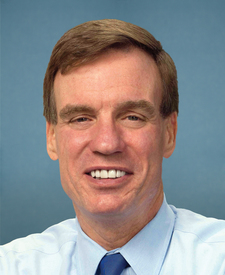
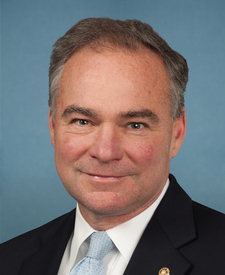
Legislative Progress
Passed SenateReported by Mr. Manchin, with an amendment
Mr. Van Hollen (for himself, Mr. Cardin, Mr. Warner, and …
Passed Senate (inferred from es version)
Stakeholder Effects
cui bono?How this legislation distributes effects. Mention counts reflect frequency, not effect magnitude.
National Park Service, National Park Service Chesapeake Bay Office, Tribal governments
Positive-direction: National Park Service Chesapeake Bay Office, Tribal governments, Tribal governments in Bay region
Negative-direction: National Park Service
Public land managers and local heritage communities
Public land managers and local heritage communities faces effects in multiple directions
Communities near Recreation Area, Communities near Recreation Area sites, Stakeholders in Chesapeake Bay region
Commercial fishing industry in Chesapeake Bay, Commercial fishing interests, Commercial fishing interests on Chesapeake Bay
City of Annapolis, Maryland, State and local governments in Bay watershed
Fort Monroe area businesses, Tourism operators in Chesapeake Bay region
Nonprofit conservation organizations, Nonprofit organizations, Nonprofit organizations in Chesapeake region
Bill Structure & Actor Mappings
Who is "The Secretary" in each section?
- "the_secretary"
- → Secretary of the Interior
Key Definitions
Terms defined in this bill
A member of the Advisory Commission who has not attained the age of 22 and represents interests of children and young adults
We use a combination of our own taxonomy and classification in addition to large language models to assess meaning and potential beneficiaries. High confidence means strong textual evidence. Always verify with the original bill text.
Learn more about our methodology