To improve the process for awarding grants under certain programs of the Department of Agriculture to certain counties in which the majority of land is owned or managed by the Federal Government and to other units of local government and Tribal governments in those counties, and for other purposes.
Analysis under review: This bill has generated analysis that may be too generic or incomplete. Clause-level evidence remains available below.
Summary
What This Bill Does
This bill, To improve the process for awarding grants under certain programs of the
Department of Agriculture to certain counties in which the majority of land is owned or
managed by the Federal Government and to other units of local government and Tribal
governments in those counties, and for other purposes., changes federal law or congressional policy affecting farmers, ranchers, and agricultural businesses. The main policy domain is Agriculture, Environment, Government Operations.
Who Benefits and How
farmers, ranchers, and agricultural businesses may benefit from new authority, funding, eligibility, regulatory clarity, or reduced risk created by the bill.
Who Bears the Burden and How
federal implementing agencies, farmers, ranchers, and agricultural businesses may take on implementation duties, reporting obligations, compliance costs, or oversight responsibilities.
Key Provisions
- Section S1: 1. Short title This Act may be cited as the More Opportunities for Rural Economies from USDA Grants Act or the MORE USDA Grants Act.
- Section idC3F81103AB8B499B90D2167BDD57B249: 2. Definitions In this Act: The term High-Density Public Land County means a county (or equivalent jurisdiction) of a State or territory of the United States—...
- Section id8D1F63AFAC214262A0EC78FFC4431DD5: 3. Grants Notwithstanding any other provision of law, with respect to a High-Density Public Land County and any unit of local government or Tribal government...
Evidence Chain:
This summary is generated from the full bill text using AI analysis. Expand "Detailed Analysis" below for identified beneficiaries/burden bearers with clause-level evidence links.
At a Glance
What This Bill Does
This bill, To improve the process for awarding grants under certain programs of the Department of Agriculture to certain counties in which the majority of land is owned or managed by the Federal Government and to other units of local government and Tribal governments in those counties, and for other purposes., changes federal law or congressional policy affecting farmers, ranchers, and agricultural businesses.
Key Policy Areas
Agriculture, Environment, Government Operations
Primary Purpose
This bill, To improve the process for awarding grants under certain programs of the Department of Agriculture to certain counties in which the majority of land is owned or managed by the Federal Government and to other units of local government and Tribal governments in those counties, and for other purposes., changes federal law or congressional policy affecting farmers, ranchers, and agricultural businesses.
Policy Domains
Whole bill
Identified Gains
- farmers, ranchers, and agricultural businesses
Identified Costs
- federal implementing agencies
- farmers, ranchers, and agricultural businesses
Sponsors
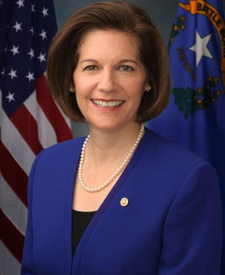
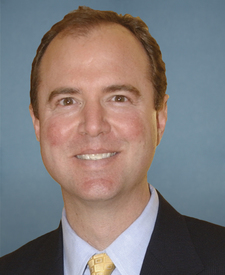
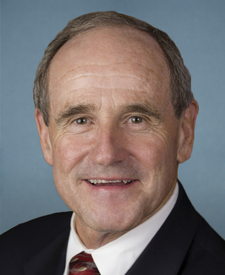
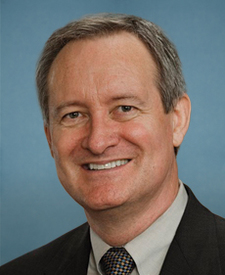
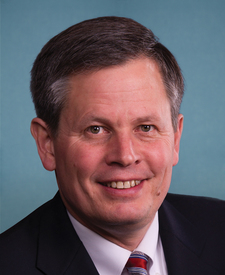
Legislative Progress
IntroducedMs. Cortez Masto (for herself, Mr. Daines, Mr. Schiff, Mr. …
Impact analysis is available but no clear stakeholder effects identified. View clause-level analysis →
Bill Structure & Actor Mappings
Who is "The Secretary" in each section?
- "secretary_of_agriculture"
- → Secretary of Agriculture
Key Definitions
Terms defined in this bill
a county (or equivalent jurisdiction) of a State or territory of the United States— that has a population of not more than 100,000 people, according to the most recent annual estimates of population by the Bureau of the Census
We use a combination of our own taxonomy and classification in addition to large language models to assess meaning and potential beneficiaries. High confidence means strong textual evidence. Always verify with the original bill text.
Learn more about our methodology