To provide for the protection of agricultural workers, and for other purposes.
Analysis under review: This bill has generated analysis that may be too generic or incomplete. Clause-level evidence remains available below.
Summary
What This Bill Does
This bill, the "Protecting America's Food Workers Act," strengthens workplace protections for agricultural and meat/poultry processing workers. It requires USDA contractors to pay prevailing wages, restricts dangerous production line speeds, mandates ergonomic safety standards, and enhances OSHA enforcement at meat processing plants.
Who Benefits and How
Meat and poultry processing workers benefit most directly through safer working conditions, guaranteed bathroom breaks, protection from punitive attendance policies that penalize sick leave, and a new private right to sue employers who violate safety laws. Agricultural workers gain protections through wage requirements and accountability measures for companies receiving USDA contracts. Labor unions benefit from expanded access to represent workers during safety inspections.
Who Bears the Burden and How
Meat and poultry processing companies face significant new compliance costs: they must meet stricter ergonomic standards, limit line speeds, allow worker representatives during inspections, and can be sued directly by workers for safety violations. USDA food contractors must pay prevailing wages, disclose labor law violations, and cannot buy back stock while receiving federal funds. Companies using "no-fault attendance policies" must stop penalizing workers for legally protected absences like sick leave.
Key Provisions
- Prohibits USDA from purchasing food from companies paying workers less than prevailing wages
- Bans agricultural companies receiving USDA funds from stock buybacks
- Restricts meat processing line speed waivers and requires worker safety reviews
- Makes "no-fault attendance policies" that penalize sick leave an unlawful employment practice
- Requires OSHA to issue ergonomic standards for meat processing within one year
- Creates private right of action allowing workers to sue for safety violations
- Appropriates $60 million annually (2024-2029) for additional OSHA inspectors
- Requires GAO study on racial and ethnic disparities in meat processing workforce
Evidence Chain:
This summary is generated from the full bill text using AI analysis. Expand "Detailed Analysis" below for identified beneficiaries/burden bearers.
At a Glance
What This Bill Does
Strengthens worker protections in agriculture and meat/poultry processing by requiring prevailing wages for USDA contractors, restricting line speeds, mandating ergonomic standards, enhancing OSHA enforcement, and protecting workers from retaliation
Who Benefits
- Meat and poultry processing workers
- Agricultural workers
- Labor unions
Who Bears Costs
- Meat and poultry processing companies
- USDA food contractors
- Agricultural employers
Key Policy Areas
Labor, Agriculture, Food Safety, Occupational Health and Safety, Worker Rights
Primary Purpose
Strengthens worker protections in agriculture and meat/poultry processing by requiring prevailing wages for USDA contractors, restricting line speeds, mandating ergonomic standards, enhancing OSHA enforcement, and protecting workers from retaliation
Policy Domains
Legislative Strategy
"Comprehensive worker protection framework targeting the meat and poultry processing industry through wage requirements, line speed restrictions, OSHA enforcement enhancements, and anti-retaliation measures"
Identified Gains
- Meat and poultry processing workers
- Agricultural workers
- Labor unions
- Worker advocacy organizations
Identified Costs
- Meat and poultry processing companies
- USDA food contractors
- Agricultural employers
- Companies with no-fault attendance policies
Sponsors

Legislative Progress
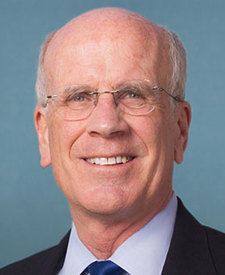
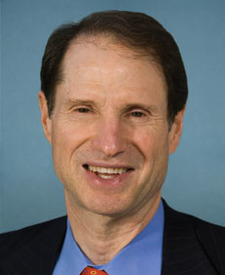
IntroducedMr. Welch (for himself, Mr. Booker, and Mr. Wyden) introduced …
Stakeholder Effects
cui bono?How this legislation distributes effects. Mention counts reflect frequency, not effect magnitude.
Food processing companies selling to USDA, Food processing workers
Positive-direction: Food processing workers
Negative-direction: Food processing companies selling to USDA
Bill Structure & Actor Mappings
Who is "The Secretary" in each section?
- "the_secretary"
- → Secretary of Agriculture
- "secretary_of_labor"
- → Secretary of Labor
- "the_director"
- → Director of NIOSH
- "the_secretary"
- → Secretary of Agriculture
- "the_administrator"
- → Administrator of Food Safety Inspection Service
- "the_assistant_secretary"
- → Assistant Secretary of Labor for Occupational Safety and Health
- "the_secretary"
- → Secretary of Labor
- "the_secretary"
- → Secretary of Labor
- "comptroller_general"
- → Comptroller General of the United States
Note: 'The Secretary' refers to Secretary of Agriculture in Title I and Title II Part 1 (Sections 101-211), but refers to Secretary of Labor in Title II Parts 2 and 3 (Sections 221-241)
Key Definitions
Terms defined in this bill
Meat within the meaning of the Federal Meat Inspection Act (21 U.S.C. 601 et seq.)
Have the meanings given in section 4 of the Poultry Products Inspection Act (21 U.S.C. 453)
Has the meaning given in section 201 of the Federal Food, Drug, and Cosmetic Act (21 U.S.C. 321)
Has the meaning of respondent in section 701(n) of the Civil Rights Act of 1964, including federal and state employing offices
Has the meaning given in section 1 of the Federal Meat Inspection Act (21 U.S.C. 601)
An official establishment subject to inspection under the Federal Meat Inspection Act or the Poultry Products Inspection Act
Leave protected under Federal, State, or local law applicable to the employee
A policy where employees face consequences for any absence through assessment of points or deductions from time bank, leading to progressive disciplinary action
We use a combination of our own taxonomy and classification in addition to large language models to assess meaning and potential beneficiaries. High confidence means strong textual evidence. Always verify with the original bill text.
Learn more about our methodology