To impose surcharges on private jet travel and certain first class and business tickets, and for other purposes.
Analysis under review: This bill has generated analysis that may be too generic or incomplete. Clause-level evidence remains available below.
Summary
What This Bill Does
This bill, To impose surcharges on private jet travel and certain first class and business tickets, and for other purposes., changes federal law or congressional policy affecting energy producers, utilities, and energy consumers. The main policy domain is Energy, Environment, Transportation.
Who Benefits and How
energy producers, utilities, and energy consumers may benefit from new authority, funding, eligibility, regulatory clarity, or reduced risk created by the bill.
Who Bears the Burden and How
federal implementing agencies, energy producers, utilities, and energy consumers may take on implementation duties, reporting obligations, compliance costs, or oversight responsibilities.
Key Provisions
- Section S1: 1. Short title This Act may be cited as the Assessing International Requirements to Fuel Aviation's Impact Reduction Act of 2023 or the AIR FAIR Act of 2023.
- Section id62219593DAA04982A738C0436372CD42: 2. Findings Congress finds that— aviation accounts for 3 percent of the total greenhouse gas emissions of the United States; aviation is 1 of the fastest...
- Section id020023E835B841D9AD5E5E706DA5AC49: 3. Definitions In this Act: The term Administrator means the Administrator of the Environmental Protection Agency. The term calculated greenhouse gas...
- Section id0AF8D2FEA65A41ADB3761E56DBA18D21: 4. Surcharge on private jet travel Beginning on January 1, 2024, the operator of each qualifying flight shall submit to the Administrator, with respect to the...
- Section id22A3CE5A5DE2414C87A6DB12086434E5: 5. Surcharge on first and business class tickets Beginning on January 1, 2024, the Administrator, in coordination with the Secretary of the Treasury, shall...
Evidence Chain:
This summary is generated from the full bill text using AI analysis. Expand "Detailed Analysis" below for identified beneficiaries/burden bearers with clause-level evidence links.
At a Glance
What This Bill Does
This bill, To impose surcharges on private jet travel and certain first class and business tickets, and for other purposes., changes federal law or congressional policy affecting energy producers, utilities, and energy consumers.
Key Policy Areas
Energy, Environment, Transportation
Primary Purpose
This bill, To impose surcharges on private jet travel and certain first class and business tickets, and for other purposes., changes federal law or congressional policy affecting energy producers, utilities, and energy consumers.
Policy Domains
Whole bill
Identified Gains
- energy producers, utilities, and energy consumers
Identified Costs
- federal implementing agencies
- energy producers, utilities, and energy consumers
Sponsors
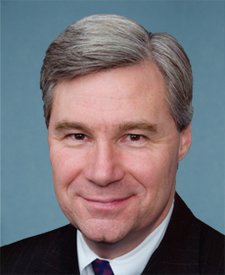
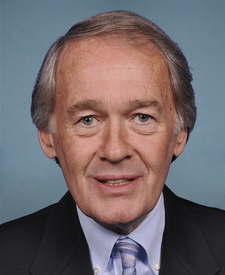
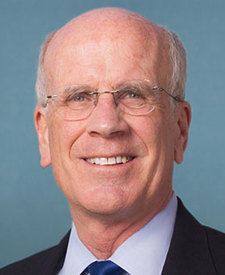
Legislative Progress
IntroducedMr. Whitehouse (for himself, Mr. Markey, and Mr. Welch) introduced …
Impact analysis is available but no clear stakeholder effects identified. View clause-level analysis →
Bill Structure & Actor Mappings
Who is "The Secretary" in each section?
- "administrator_of_epa"
- → Administrator of the Environmental Protection Agency
- "secretary_of_treasury"
- → Secretary of the Treasury
Key Definitions
Terms defined in this bill
a ticket for a first class or business class seat— on a flight that— originates from, terminates in, or both originates from and terminates in the United States
We use a combination of our own taxonomy and classification in addition to large language models to assess meaning and potential beneficiaries. High confidence means strong textual evidence. Always verify with the original bill text.
Learn more about our methodology