Making appropriations for the Departments of Labor, Health and Human Services, and Education, and related agencies for the fiscal year ending September 30, 2026, and for other purposes.
Legislative Progress
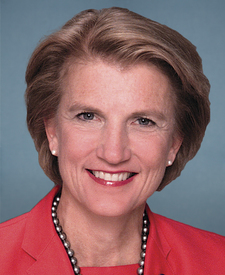
ReportedMrs. Capito, from the Committee on Appropriations, reported the following …
Summary
What This Bill Does
Provides annual appropriations for the Departments of Labor, HHS, and Education for fiscal year 2026. Includes provisions governing Job Corps salaries, transfer authorities, and procurement standards.
Who Benefits and How
- Labor, HHS, and Education departments receive annual operating funds
- Job training programs continue receiving federal funding
- Workers in industries affected by forced labor bans protected through procurement restrictions
Who Bears the Burden and How
- Federal taxpayers fund the appropriated programs
- Job Corps executives face salary caps at Executive Level II
- Suppliers using child/forced labor excluded from federal procurement
Key Provisions
- Limits Job Corps executive pay to Executive Level II
- Allows up to 1% transfer between Labor programs with 3% cap on increases
- Prohibits procurement of goods produced with forced or child labor
- Requires 15-day advance notice to appropriations committees for transfers
Evidence Chain:
This summary is derived from the structured analysis below. See "Detailed Analysis" for per-title beneficiaries/burden bearers with clause-level evidence links.
Primary Purpose
FY2026 appropriations for Departments of Labor, Health and Human Services, and Education
Policy Domains
Legislative Strategy
"Provide annual operating funds with accountability measures"
Bill Structure & Actor Mappings
Who is "The Secretary" in each section?
We use a combination of our own taxonomy and classification in addition to large language models to assess meaning and potential beneficiaries. High confidence means strong textual evidence. Always verify with the original bill text.
Learn more about our methodology