To improve forecasting and understanding of tornadoes and other hazardous weather, and for other purposes.
Summary
What This Bill Does
The bill establishes a permanent Hazard Risk Communication Office at NOAA to improve weather warning communications, requires coordination with vulnerable populations and stakeholders, establishes a pilot program at HBCUs, provides warn-on-forecast strategic plan for NOAA programs, and defines tornado rating system evaluation and potential updates. It relies on reporting requirements, appropriations, definition changes, and product standards. The main policy areas are Weather and Climate, Education, and Science & Space.
Who Benefits and How
NOAA and National Weather Service could gain revenue opportunities, NOAA and related agencies could face lower compliance burdens, and Minority-serving institutions conducting tornado research could gain revenue opportunities.
Who Bears the Burden and How
National Weather Service, National Oceanic and Atmospheric Administration (NOAA) would take on compliance duties, National Oceanic and Atmospheric Administration (NOAA) would take on compliance duties, and NOAA, Federal, State, local governments, Indian Tribes, private entities, and relevant institutions of higher education could face higher costs.
Key Provisions
- Establishes a permanent Hazard Risk Communication Office at NOAA to improve weather warning communications, requires coordination with vulnerable populations and stakeholders, establishes a pilot program at HBCUs...
- Provides warn-on-forecast strategic plan for NOAA programs.
- Defines tornado rating system evaluation and potential updates.
- Provides post-storm surveys and assessments with data sharing and public availability.
- Creates amendment to the Weather Research and Forecasting Innovation Act of 2017 for VORTEX-USA program grants.
Evidence Chain:
This summary is generated from the full bill text using AI analysis. Expand "Detailed Analysis" below for identified beneficiaries/burden bearers with clause-level evidence links.
At a Glance
What This Bill Does
The bill establishes a permanent Hazard Risk Communication Office at NOAA to improve weather warning communications, requires coordination with vulnerable populations and stakeholders, establishes a pilot program at HBCUs, provides warn-on-forecast strategic plan for NOAA programs, and defines tornado rating system evaluation and potential updates.
Key Policy Areas
Weather and Climate, Education, Science & Space
Primary Purpose
The bill establishes a permanent Hazard Risk Communication Office at NOAA to improve weather warning communications, requires coordination with vulnerable populations and stakeholders, establishes a pilot program at HBCUs, provides warn-on-forecast strategic plan for NOAA programs, and defines tornado rating system evaluation and potential updates.
Policy Domains
Whole bill
Identified Gains
- NOAA and National Weather Service
- NOAA and related agencies
- Minority-serving institutions conducting tornado research
- Vulnerable populations in hazardous weather areas
- Public, including vulnerable populations and various demographics
Identified Costs
- National Weather Service, National Oceanic and Atmospheric Administration (NOAA)
- National Oceanic and Atmospheric Administration (NOAA)
- NOAA, Federal, State, local governments, Indian Tribes, private entities, and relevant institutions of higher education
Sponsors
Legislative Progress
ReportedReported by Mr. Cruz, with amendments
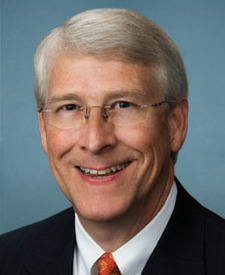
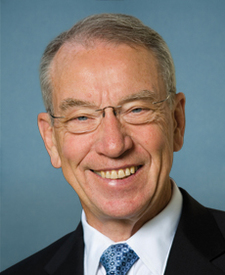
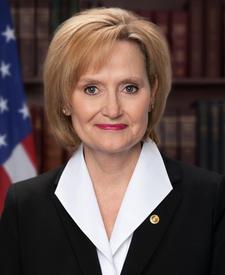
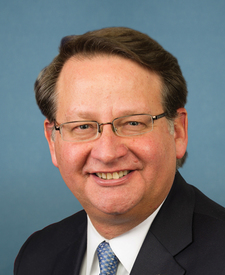
Mr. Wicker (for himself, Mrs. Hyde-Smith, Mr. Grassley, Mr. Moran, …
Mr. Wicker (for himself, Mrs. Hyde-Smith, Mr. Grassley, Mr. Moran, …
Stakeholder Effects
cui bono?How this legislation distributes effects. Mention counts reflect frequency, not effect magnitude.
NOAA and National Weather Service, National Weather Service, National Oceanic and Atmospheric Administration
Positive-direction: NOAA and National Weather Service
Negative-direction: National Weather Service, National Oceanic and Atmospheric Administration
NOAA and related agencies, NOAA/National Weather Service, National Oceanic and Atmospheric Administration
Positive-direction: NOAA and related agencies
Negative-direction: National Oceanic and Atmospheric Administration
Public, including vulnerable populations and various demographics, Vulnerable populations in hazardous weather areas
NOAA, Federal, State, local governments, Indian Tribes, private entities, and relevant institutions of higher education, Social and behavioral science researchers
Positive-direction: Social and behavioral science researchers
Negative-direction: NOAA, Federal, State, local governments, Indian Tribes, private entities, and relevant institutions of higher education
Historically Black colleges and universities in tornado-prone poverty areas, Minority-serving institutions conducting tornado research
Bill Structure & Actor Mappings
Who is "The Secretary" in each section?
We use a combination of our own taxonomy and classification in addition to large language models to assess meaning and potential beneficiaries. High confidence means strong textual evidence. Always verify with the original bill text.
Learn more about our methodology