Uyghur Genocide Accountability and Sanctions Act of 2025
Analysis under review: This bill has generated analysis that may be too generic or incomplete. Clause-level evidence remains available below.
Summary
What This Bill Does
The bill expands the scope of sanctionable human rights abuses under the Uyghur Human Rights Policy Act to include forced sterilization, organ harvesting, child separation, and forced deportation, while also requiring, requires strengthens visa denial provisions for foreign nationals complicit in forced abortions or sterilizations by changing discretionary 'may not' to mandatory 'shall not' and tightening waiver requirements, and authorizes the Secretary of State to provide medical care, physical therapy, and psychological support to Uyghur, Kazakh, Kyrgyz, and other ethnic group members who experienced torture or atrocities and now reside. It relies on reporting requirements, compliance mandates, grants, and procurement rules. The main policy areas are Foreign Policy, Trade, Agriculture, and Healthcare.
Who Benefits and How
Uyghur and Central Asian diaspora survivors of atrocities could gain revenue opportunities, Smithsonian Institution could gain revenue opportunities, and International criminal justice NGOs could gain revenue opportunities.
Who Bears the Burden and How
Chinese seafood processors and exporters could lose revenue opportunities, Chinese officials involved in population control programs could face higher barriers, and Chinese manufacturers using forced labor could lose revenue opportunities.
Key Provisions
- Expands the scope of sanctionable human rights abuses under the Uyghur Human Rights Policy Act to include forced sterilization, organ harvesting, child separation, and forced deportation, while also requiring...
- Requires strengthens visa denial provisions for foreign nationals complicit in forced abortions or sterilizations by changing discretionary 'may not' to mandatory 'shall not' and tightening waiver requirements...
- Authorizes the Secretary of State to provide medical care, physical therapy, and psychological support to Uyghur, Kazakh, Kyrgyz, and other ethnic group members who experienced torture or atrocities and now reside...
- Authorizes $2 million annually for fiscal years 2026-2029 for a Repressed Cultures Preservation Initiative at the Smithsonian Institution to research, exhibit, and educate about cultural heritage of ethnic groups...
- Requires Treasury Secretary to determine within 60 days whether specified Chinese entities are responsible for human rights abuses or meet sanctions criteria under multiple existing laws, and if so, add them to the SDN...
Evidence Chain:
This summary is generated from the full bill text using AI analysis. Expand "Detailed Analysis" below for identified beneficiaries/burden bearers with clause-level evidence links.
At a Glance
What This Bill Does
The bill expands the scope of sanctionable human rights abuses under the Uyghur Human Rights Policy Act to include forced sterilization, organ harvesting, child separation, and forced deportation, while also requiring, requires strengthens visa denial provisions for foreign nationals complicit in forced abortions or sterilizations by changing discretionary 'may not' to mandatory 'shall not' and tightening waiver requirements, and authorizes the Secretary of State to provide medical care, physical therapy, and psychological support to Uyghur, Kazakh, Kyrgyz, and other ethnic group members who experienced torture or atrocities and now reside.
Key Policy Areas
Foreign Policy, Trade, Agriculture, Healthcare
Primary Purpose
The bill expands the scope of sanctionable human rights abuses under the Uyghur Human Rights Policy Act to include forced sterilization, organ harvesting, child separation, and forced deportation, while also requiring, requires strengthens visa denial provisions for foreign nationals complicit in forced abortions or sterilizations by changing discretionary 'may not' to mandatory 'shall not' and tightening waiver requirements, and authorizes the Secretary of State to provide medical care, physical therapy, and psychological support to Uyghur, Kazakh, Kyrgyz, and other ethnic group members who experienced torture or atrocities and now reside.
Policy Domains
Whole Bill - Uyghur Genocide Accountability
Identified Gains
- Uyghur and Central Asian diaspora survivors of atrocities
- Smithsonian Institution
- International criminal justice NGOs
- Human rights documentation organizations
- U.S. and allied seafood suppliers
Identified Costs
- Chinese seafood processors and exporters
- Chinese officials involved in population control programs
- Chinese manufacturers using forced labor
- Chinese government officials complicit in human rights abuses
- Chinese entities with operations in Xinjiang
Sponsors
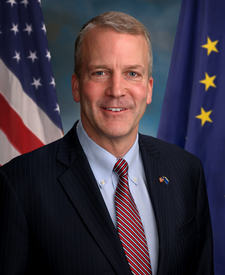
Dan Sullivan
R-AK | Primary Sponsor
Legislative Progress
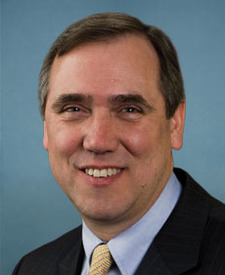
In CommitteeMr. Sullivan (for himself and Mr. Merkley) introduced the following …
Read twice and referred to the Committee on Foreign Relations.
Introduced in Senate
Stakeholder Effects
cui bono?How this legislation distributes effects. Mention counts reflect frequency, not effect magnitude.
Chinese government officials complicit in human rights abuses, Chinese government officials implicated in genocide, Chinese officials and entities involved in organ harvesting
Human rights documentation organizations, International criminal justice NGOs, Organizations preserving Uyghur and minority cultural heritage
Chinese entities with operations in Xinjiang, Companies with supply chains in Xinjiang, Foreign persons providing goods/services to sanctioned Chinese entities
Chinese transplant tourism industry, Healthcare providers specializing in trauma treatment, Medical and mental health treatment centers serving refugee populations
Positive-direction: Healthcare providers specializing in trauma treatment, Medical and mental health treatment centers serving refugee populations
Negative-direction: Chinese transplant tourism industry
Defense food service contractors, Military food service operations
Chinese state media outlets operating internationally, U.S. international broadcasting organizations
Positive-direction: U.S. international broadcasting organizations
Negative-direction: Chinese state media outlets operating internationally
Alternative suppliers not linked to Xinjiang, Chinese manufacturers using forced labor
Positive-direction: Alternative suppliers not linked to Xinjiang
Negative-direction: Chinese manufacturers using forced labor
Chinese seafood processors and exporters, U.S. and allied seafood suppliers
Positive-direction: U.S. and allied seafood suppliers
Negative-direction: Chinese seafood processors and exporters
Bill Structure & Actor Mappings
Who is "The Secretary" in each section?
- "the_president"
- → President of the United States
- "the_secretary_of_state"
- → Secretary of State
- "the_secretary_of_defense"
- → Secretary of Defense
- "the_secretary_of_treasury"
- → Secretary of the Treasury
Key Definitions
Terms defined in this bill
Short title for this Act
We use a combination of our own taxonomy and classification in addition to large language models to assess meaning and potential beneficiaries. High confidence means strong textual evidence. Always verify with the original bill text.
Learn more about our methodology