Student Visa Integrity Act of 2025
Analysis under review: This bill has generated analysis that may be too generic or incomplete. Clause-level evidence remains available below.
Summary
What This Bill Does
The bill requires accreditation of academic institutions seeking F, M, or J visa designation, requires SEVIS to track tuition payment dates for international students, and requires disclosure of Chinese government ties for SEVP certification. It relies on compliance mandates, reporting requirements, product standards, and definition changes. The main policy areas are Education, Immigration, and Technology.
Who Benefits and How
Government IT contractors could gain revenue opportunities, DHS could face lower compliance burdens, and Government agencies could face lower compliance burdens.
Who Bears the Burden and How
US universities enrolling students from adversarial countries could lose revenue opportunities, Non-accredited educational institutions could face higher barriers, and Non-FAA certified flight training providers could face higher barriers.
Key Provisions
- Requires accreditation of academic institutions seeking F, M, or J visa designation.
- Requires SEVIS to track tuition payment dates for international students.
- Requires disclosure of Chinese government ties for SEVP certification.
- Establishes mandatory penalties for SEVIS reporting noncompliance.
- Requires allows immediate suspension for visa fraud; permanent disqualification for serious crimes.
Evidence Chain:
This summary is generated from the full bill text using AI analysis. Expand "Detailed Analysis" below for identified beneficiaries/burden bearers with clause-level evidence links.
At a Glance
What This Bill Does
The bill requires accreditation of academic institutions seeking F, M, or J visa designation, requires SEVIS to track tuition payment dates for international students, and requires disclosure of Chinese government ties for SEVP certification.
Key Policy Areas
Education, Immigration, Technology
Primary Purpose
The bill requires accreditation of academic institutions seeking F, M, or J visa designation, requires SEVIS to track tuition payment dates for international students, and requires disclosure of Chinese government ties for SEVP certification.
Policy Domains
Student Visa Integrity Act of 2025
Identified Gains
- Government IT contractors
- DHS
- Government agencies
- Educational institutions
Identified Costs
- US universities enrolling students from adversarial countries
- Non-accredited educational institutions
- Non-FAA certified flight training providers
- Educational institutions with Chinese government funding
- Educational institutions that lose accreditation
Legislative Progress
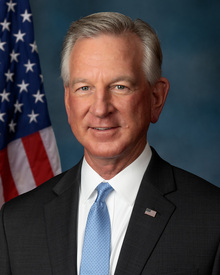
In CommitteeMr. Tuberville introduced the following bill; which was read twice …
Read twice and referred to the Committee on the Judiciary.
Introduced in Senate
Stakeholder Effects
cui bono?How this legislation distributes effects. Mention counts reflect frequency, not effect magnitude.
Educational institutions, Educational institutions hosting F/M visa students, Educational institutions hosting nonimmigrant students
Positive-direction: Educational institutions
Negative-direction: Educational institutions hosting F/M visa students, Educational institutions hosting nonimmigrant students, Educational institutions subject to SEVIS reporting, Educational institutions that lose accreditation, Educational institutions with Chinese government funding, Non-accredited educational institutions, School officials at educational institutions, US universities enrolling students from adversarial countries, Universities with long-duration programs
DHS, Government agencies
DHS faces effects in multiple directions
Flight and nuclear training programs, Language and flight training programs
Government IT contractors, Online education providers
Positive-direction: Government IT contractors
Negative-direction: Online education providers
Bill Structure & Actor Mappings
Who is "The Secretary" in each section?
- "SEVP"
- → Student and Exchange Visitor Program of DHS
- "SEVIS"
- → Student and Exchange Visitor Information System of DHS
- "the_secretary"
- → Secretary of Homeland Security (primary), Secretary of State (for certain visa and designation functions), Secretary of Labor (for employment attestations), Secretary of Education (for accreditation recognition)
Note: The Secretary refers to Secretary of Homeland Security for most SEVP administration, but Secretary of State for certain exchange visitor program designations, and Secretary of Labor for employment attestation enforcement.
Key Definitions
Terms defined in this bill
Student and Exchange Visitor Information System of the Department of Homeland Security
Student and Exchange Visitor Program of the Department of Homeland Security
An individual who is considered to be an owner or in a position of substantive authority to make policy, operational, or managerial decisions affecting academic programs or the entire institution or program at an approved institution of higher education, other approved educational institution, or designated exchange visitor program
Accreditation by an accrediting agency recognized by the Secretary of Education
The individual serves as an administrator, officer, board member, manager, executive, general partner, fiduciary, or in a similar position
We use a combination of our own taxonomy and classification in addition to large language models to assess meaning and potential beneficiaries. High confidence means strong textual evidence. Always verify with the original bill text.
Learn more about our methodology