To amend the Food, Agriculture, Conservation, and Trade Act of 1990 to include as a high-priority research and extension area research on microplastics in land-applied biosolids on farmland, and for other purposes.
Analysis under review: This bill has generated analysis that may be too generic or incomplete. Clause-level evidence remains available below.
Summary
What This Bill Does
The bill authorizes USDA to make research and extension grants to study microplastics (particles less than 5mm) in land-applied biosolids, including surveys of microplastic concentration, development of wastewater treatment. It relies on grants. The main policy areas are Agriculture, Education, Finance, and Trade.
Who Benefits and How
Universities and agricultural research institutions applying for microplastics research grants could gain revenue opportunities, Environmental testing and consulting firms conducting microplastics surveys and analysis could gain revenue opportunities, and Wastewater treatment technology companies developing microplastics filtration systems could gain revenue opportunities.
Who Bears the Burden and How
No clear private burden is identified from the available clause analysis; implementing agencies may still take on administrative work.
Key Provisions
- Authorizes USDA to make research and extension grants to study microplastics (particles less than 5mm) in land-applied biosolids, including surveys of microplastic concentration, development of wastewater treatment...
Evidence Chain:
This summary is generated from the full bill text using AI analysis. Expand "Detailed Analysis" below for identified beneficiaries/burden bearers with clause-level evidence links.
At a Glance
What This Bill Does
The bill authorizes USDA to make research and extension grants to study microplastics (particles less than 5mm) in land-applied biosolids, including surveys of microplastic concentration, development of wastewater treatment.
Key Policy Areas
Agriculture, Education, Finance, Trade
Primary Purpose
The bill authorizes USDA to make research and extension grants to study microplastics (particles less than 5mm) in land-applied biosolids, including surveys of microplastic concentration, development of wastewater treatment.
Policy Domains
Section 1 - Short Title
Identified Gains
- Universities and agricultural research institutions applying for microplastics research grants
- Environmental testing and consulting firms conducting microplastics surveys and analysis
- Wastewater treatment technology companies developing microplastics filtration systems
Sponsors

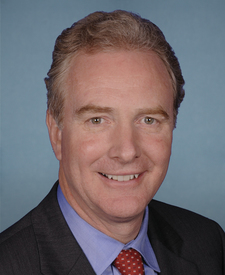

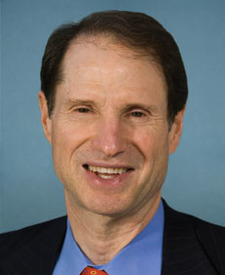

Legislative Progress
IntroducedMr. Merkley (for himself, Mr. Booker, Mr. Whitehouse, Mr. Wyden, …
Stakeholder Effects
cui bono?How this legislation distributes effects. Mention counts reflect frequency, not effect magnitude.
Universities and agricultural research institutions applying for microplastics research grants
Environmental testing and consulting firms conducting microplastics surveys and analysis
Wastewater treatment technology companies developing microplastics filtration systems
Biosolids management companies and wastewater utilities that land-apply biosolids
Bill Structure & Actor Mappings
Who is "The Secretary" in each section?
- "grant_authority"
- → USDA (Department of Agriculture - administers 7 U.S.C. 5925)
- "grant_authority"
- → USDA (Department of Agriculture)
Key Definitions
Terms defined in this bill
plastic or plastic-coated particles that are less than 5 millimeters in any dimension
treated sewage sludge applied to land for agricultural purposes
We use a combination of our own taxonomy and classification in addition to large language models to assess meaning and potential beneficiaries. High confidence means strong textual evidence. Always verify with the original bill text.
Learn more about our methodology