To amend title II of the Social Security Act to improve coordination between the Do Not Pay working system and Federal and State agencies authorized to use the system.
Analysis under review: This bill has generated analysis that may be too generic or incomplete. Clause-level evidence remains available below.
Summary
What This Bill Does
This bill requires the Social Security Administration to share death records with the federal Do Not Pay working system, which screens payments across government agencies. The goal is to reduce improper payments going to deceased individuals by improving data sharing between federal and state agencies.
Who Benefits and How
Taxpayers benefit because fewer federal dollars will be wasted on improper payments to deceased people. Federal and state agencies that use the Do Not Pay system benefit from access to more accurate death records, helping them avoid erroneous payments. The Treasury Department and agencies combating fraud benefit from streamlined information sharing.
Who Bears the Burden and How
The Social Security Administration faces new data-sharing responsibilities and must establish cooperative arrangements with the Do Not Pay system. Federal contractors, grantees, and entities administering federal programs may face increased scrutiny as their payment records are cross-referenced with death data.
Key Provisions
- Commissioner of Social Security must provide death record information to the Do Not Pay working system
- Do Not Pay system can compare this data with personally identifiable information from federal records
- Matched information can be shared with authorized Federal and State agencies
- Takes effect December 28, 2026
Evidence Chain:
This summary is generated from the full bill text using AI analysis. Expand "Detailed Analysis" below for identified beneficiaries/burden bearers.
At a Glance
What This Bill Does
Improves coordination between the Social Security Administration and the Do Not Pay working system to prevent improper federal and state payments to deceased individuals.
Key Policy Areas
Government Administration, Entitlements, Fraud Prevention
Primary Purpose
Improves coordination between the Social Security Administration and the Do Not Pay working system to prevent improper federal and state payments to deceased individuals.
Policy Domains
Main Bill
Identified Gains
Contextual inference, no direct clause citation- Taxpayers
- Federal agencies
- State agencies
- Treasury Department
Contextual inference, no direct clause citation
Identified Costs
Contextual inference, no direct clause citation- Social Security Administration
- Federal contractors
- Federal grantees
Contextual inference, no direct clause citation
Sponsors

Legislative Progress
ReportedReported by Mr. Peters, with an amendment
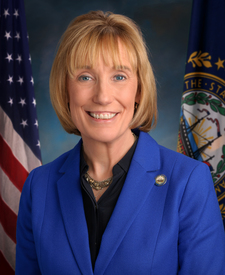
Mr. Kennedy (for himself, Mr. Carper, and Ms. Hassan) introduced …
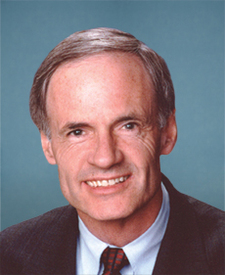
Mr. Kennedy (for himself and Mr. Carper) introduced the following …
Stakeholder Effects
cui bono?How this legislation distributes effects. Mention counts reflect frequency, not effect magnitude.
Do Not Pay working system operators (Treasury), Federal agencies using Do Not Pay system, Federal contractors administering federal programs
Positive-direction: Do Not Pay working system operators (Treasury), Federal agencies using Do Not Pay system, State agencies authorized to use Do Not Pay
Negative-direction: Federal contractors administering federal programs, Social Security Administration
Bill Structure & Actor Mappings
Who is "The Secretary" in each section?
- "the_agency"
- → Agency operating the Do Not Pay working system (Treasury)
- "the_commissioner"
- → Commissioner of Social Security
Key Definitions
Terms defined in this bill
The payment verification system described in section 3354(c) of title 31, United States Code, operated to prevent improper payments
We use a combination of our own taxonomy and classification in addition to large language models to assess meaning and potential beneficiaries. High confidence means strong textual evidence. Always verify with the original bill text.
Learn more about our methodology